


The inflation caused by extreme weather events is known as “climateflation”: prices for many food products are expected to rise sharply.
By calling for the introduction of mirror measures, Slow Food highlights the need for imported foods such as corn and wheat to comply with the same standards required of products grown within the European Union.
Food imported into the European Union should comply with the standards established for food produced in the Eu: this is the firm demand of Slow Food, which is calling for mirror measures and an end to double standards in food imports because “farmers and consumers have the right to fairness and transparency.”
At present, European citizens have no certainty about how food imported into the Eu from third countries is produced. For example, Europeans consume genetically modified soy, meat from animals raised with antibiotics used as growth promoters, and fruit and vegetables treated with dangerous substances and pesticides that are not approved by the European Union. Furthermore, there is no way of knowing how animals have been raised, slaughtered and transported, because producing countries often do not have traceability systems or animal welfare standards comparable to those of the Eu.
Slow Food Italy has carried out two case studies to highlight the contradictions of double standards: one, in 2024, focused on beef, soy and rice supply chains, and another, in 2025, on wheat and corn. The case studies of these products show the negative effects on the health of people, animals and ecosystems in the countries where they are produced—especially in the Global South—as well as unfair competition to the detriment of European farmers. According to Slow Food, it is no longer possible to ignore the contradictions that have existed for decades in international agri-food trade regulations.
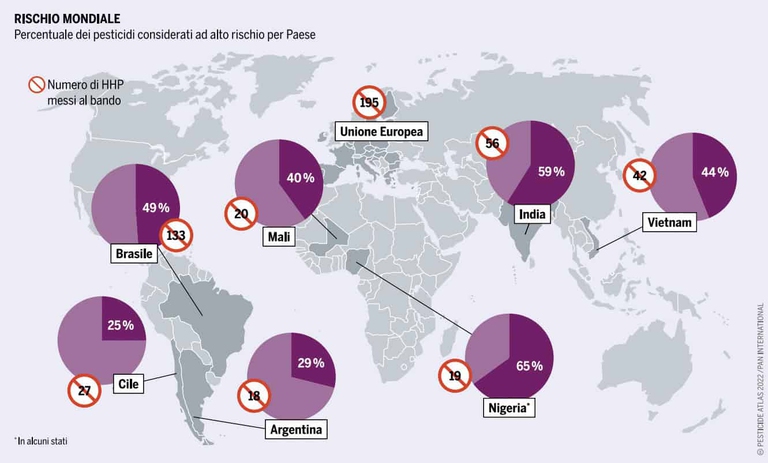
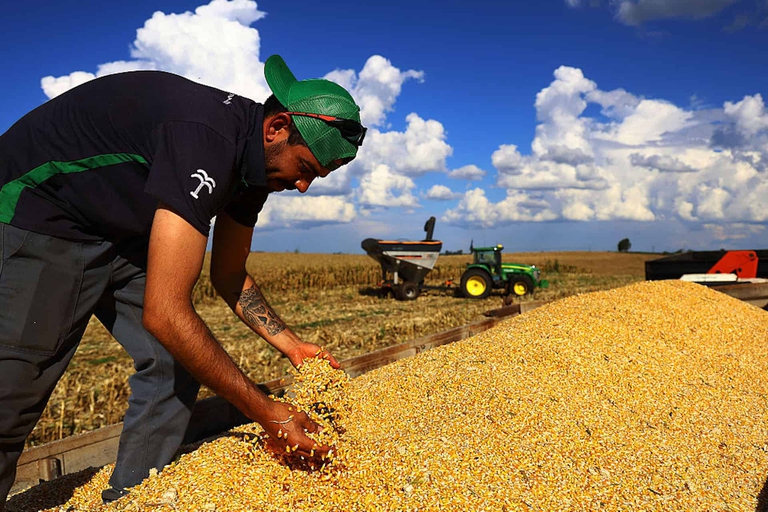
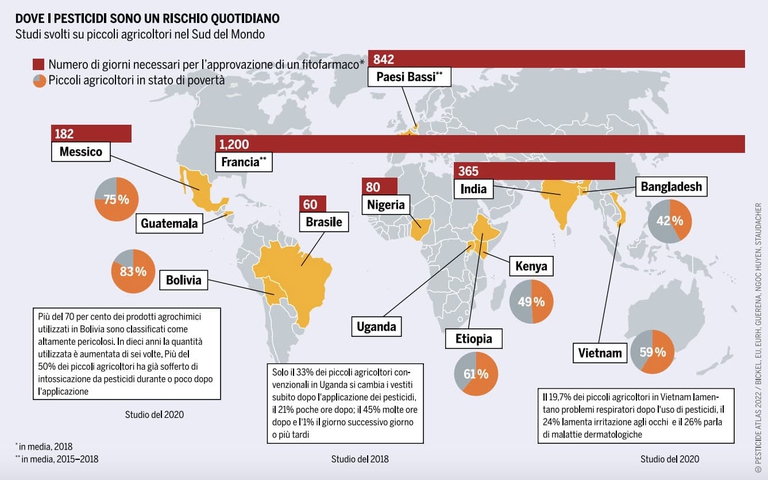
As far as corn is concerned, Slow Food examined the case of Brazil, one of the European Union’s main suppliers of corn, but also the world’s largest consumer of pesticides. Between 2010 and 2020, the quantity of pesticides sold in Brazil increased by 78.3 per cent, almost three times the growth in cultivated land in the country (27.6 per cent). Between 1 January 2019 and 30 June 2022, 50.8 per cent of all registered chemical products contained at least one active ingredient that was banned or not registered in the Eu.
Another paradox is that, in 2019, products exported from the European union to Brazil included at least 14 highly hazardous active substances that were no longer authorised in the EU, such as fipronil, chlorpyrifos and cyanamide. Pesticide contamination particularly affects traditional communities, Indigenous peoples, Quilombola communities (descendants of Afro-Brazilian slaves) and rural populations, who often live surrounded by vast plantations practising intensive agriculture. In many cases, pesticides are used as a chemical weapon to drive these populations from their lands.
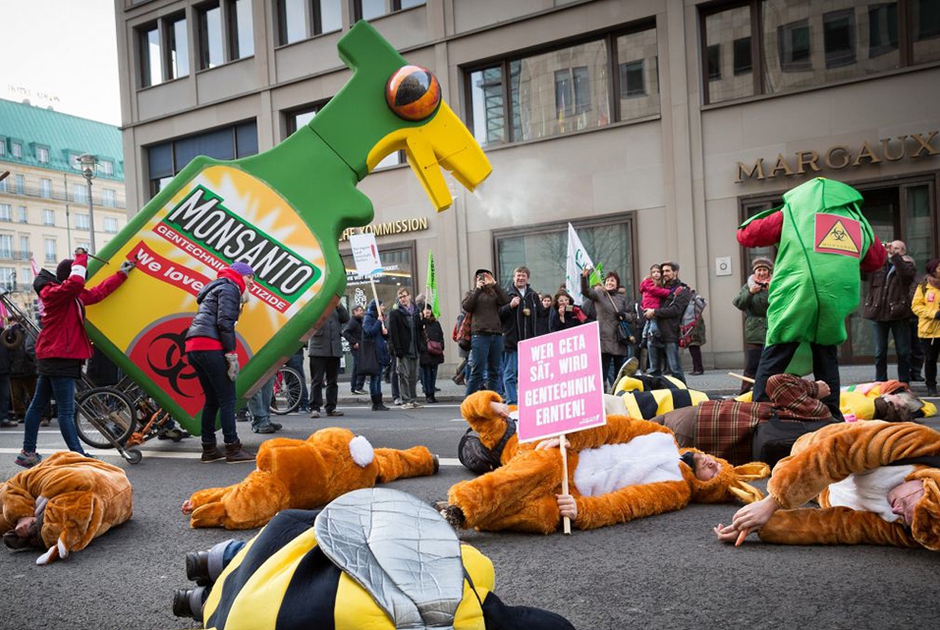
There is also the issue of gmo corn. In South America, 75 million hectares are occupied by gmo crops, mainly soy and corn. These monocultures lead to biodiversity loss and the intensive use of synthetic chemicals, especially glyphosate, to which gmo corn is resistant. Although some Eu countries have banned gmo cultivation within their own territories, import authorisations are granted at the European level, and the corn imported into the EU is used for both animal feed and human consumption. Ukraine, another important grain supplier to the Eu, has not been gmo-free for more than ten years.
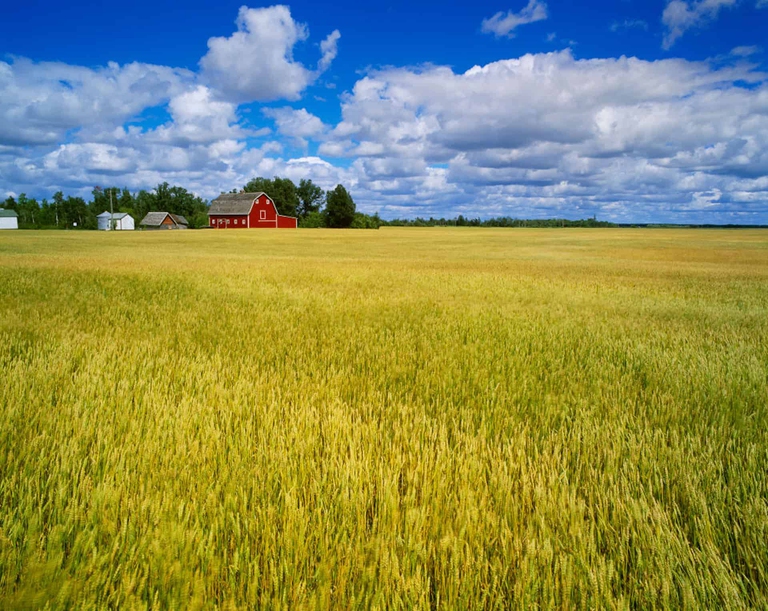
In the case study of wheat, Slow Food focuses on the trade relationship between Italy and Canada. Italy is Europe’s largest producer of durum wheat, but also its largest importer: it imports more than one-third of its needs, equal to around 850,000 tonnes in 2022–23, of which approximately 700,000 tonnes came from Canada. At the centre of concerns regarding Canadian durum wheat is glyphosate, particularly the possibility of using it before harvest. In Europe, this practice has been banned since 2016 and technically it has also been banned in Canada since 2020. In reality, Canada only prohibits glyphosate as a desiccant on wheat, while its use before harvest as a herbicide remains allowed. In any case, Canadian wheat complies with the maximum residue limit for glyphosate established for imported wheat in the European union, so the issue lies elsewhere.
According to Slow Food, a broader discussion about consistency is needed. First, the excellent reputation of Italian pasta—which, uniquely in the world, can only be produced with durum wheat—makes it highly successful on international markets. Would it not make sense, therefore, alongside improving the quality of Italian durum wheat by shifting as much as possible toward organic production, to meet domestic demand by importing exclusively organic durum wheat? This would encourage organic production in supplier countries, generating environmental benefits for producing territories and health benefits for both farmers and consumers.
The second point is that a strong and growing commitment to organic production would help achieve not only the specific Farm to Fork targets related to organic agriculture but also its broader objective: building sustainable European food systems without harming third countries, including those in the Global North such as Canada.
In light of its case studies, Slow Food calls on European policymakers to end double standards and adopt mirror measures for non-Eu food products covering all aspects of the food chain, especially animal welfare, social standards, pesticides and the sustainable land use.
Slow Food also calls for greater support for agroecology, that is, farming in balance with nature, preserving soil fertility, biodiversity and all ecosystem services, from pollination to carbon sequestration by soils, forests and permanent grasslands. Soil degradation leads to the loss of essential ecosystem services, imposes costs on farmers and undermines the capacity to produce healthy and nutritious food. For this reason, farmers should be encouraged to focus on the environmental and intrinsic quality of their products through income support, while participatory research and supply-chain cooperatives should be promoted and funded. Producing “good, clean and fair” food requires strong expertise, research and collaboration between producers and researchers. And sustainable supply chains cannot be modelled on the linear systems of industrial agriculture.
For corn, for example, the Eu should rethink how much it actually needs, given that current demand is directly linked to a livestock production system shaped by industrial requirements, one that does not respect animal welfare and reflects an imbalance in European diets, where animal proteins are consumed in excessive quantities and are often of low quality. Instead, greater attention could be given to traditional corn varieties, which are better able to adapt to climate conditions, soils and nutritional needs, while also preserving local cultures, landscapes, communities and economies across Europe.
According to Slow Food, the role of the European Union remains fundamental because, at present, it is the only institution that—despite numerous tensions and opposing interests—still appears capable, willing and equipped to think globally about highly interconnected issues such as food, the environment and health. For this reason, its appeal to Members of the European Parliament to treat the agri-food sector as a key element in any discussion about the future of the planet has become more urgent than ever.
Siamo anche su WhatsApp. Segui il canale ufficiale LifeGate per restare aggiornata, aggiornato sulle ultime notizie e sulle nostre attività.

Quest'opera è distribuita con Licenza Creative Commons Attribuzione - Non commerciale - Non opere derivate 4.0 Internazionale.
The inflation caused by extreme weather events is known as “climateflation”: prices for many food products are expected to rise sharply.
According to analysts, the emergence of a “super” El Niño could trigger a global food price shock, adding to inflationary pressures already fuelled by the conflict with Iran.
Stop glyphosate before it’s too late. A group of associations has launched a petition to ask the European Commission to refuse the authorisation for using the weed killer.
Pescasseroli, in the heart of Italy’s Apennines, will host the IBA conference on bear conservation and human–bear coexistence. LifeGate will be the event’s media partner.
The toll is still provisional, but data collected across several European countries indicate that tens of thousands of people have died as a result of extreme heat.
Last February, Malaysia imposed a total ban on electronic waste imports. Yet toxic e-waste continues to arrive from the United States and other countries through illegal trafficking networks.
Ecuador’s shrimp exports continue to grow, but the country’s mangrove ecosystems are paying the highest price.
An innovative Spanish study has found a link between the pesticide picloram and the onset of colorectal cancer among people under 50.
What we eat and how we produce it are also to blame for climate change. Food and agriculture contribute to damage the climate with unimaginable and upsetting amounts of greenhouse gases that harms the ecosystem and all of us. Things must change, quickly. Let’s sign Slow Food’s appeal Slow Food launched an appeal in six