




A report by the NGO network Climate Action Network proposes a series of concrete changes to revitalise the UN Climate Change Conferences.
According to analysts, the emergence of a “super” El Niño could trigger a global food price shock, adding to inflationary pressures already fuelled by the conflict with Iran.
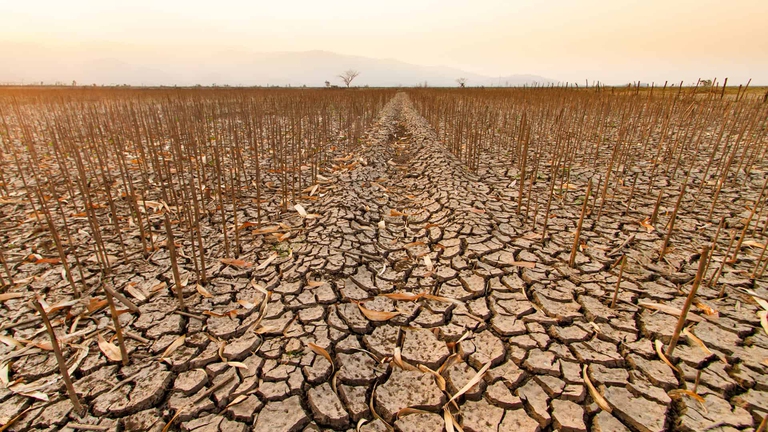
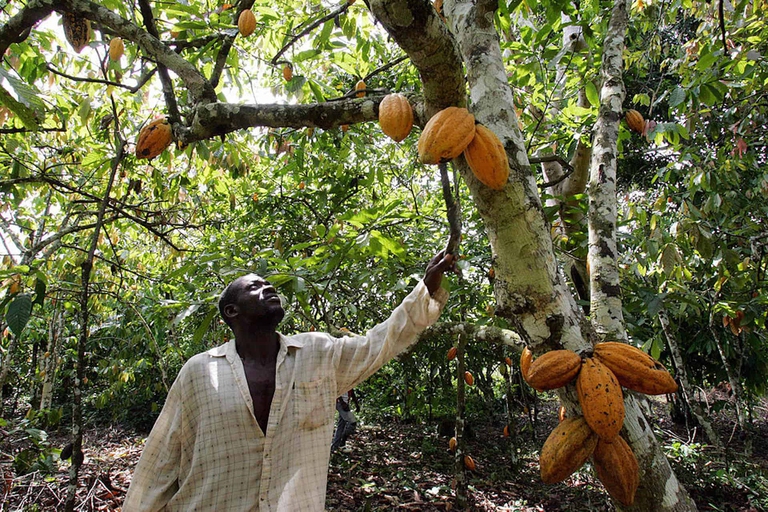
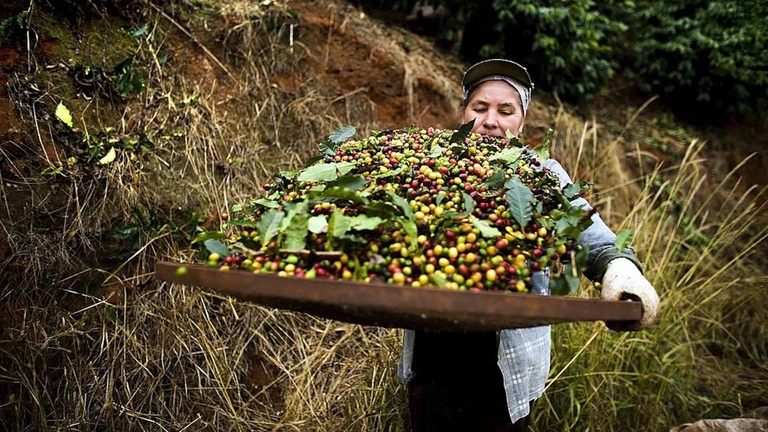
There is a high probability that a “super” El Niño could develop before the end of the year. According to experts, the phenomenon could trigger a global food price shock, as extreme weather threatens agricultural production worldwide—from rice and cocoa to Parmigiano Reggiano and shellfish. Analysts warn that an exceptionally strong El Niño could push up global food prices through 2028, as climate-related disruptions to harvests compound inflationary pressures already heightened by the conflict with Iran.
El Niño develops when sea surface temperatures in the Pacific Ocean rise—typically by between 0.5°C and 3–4°C above average—altering weather patterns and climate around the world. The phenomenon has a long history of disrupting agriculture and global food supply chains. More than a century ago, the most severe El Niño on record triggered catastrophic droughts across China, southern Africa, Brazil, Egypt and India. Combined with colonial rule, these droughts contributed to devastating famines that killed millions of people, including more than six million in India between 1876 and 1878.
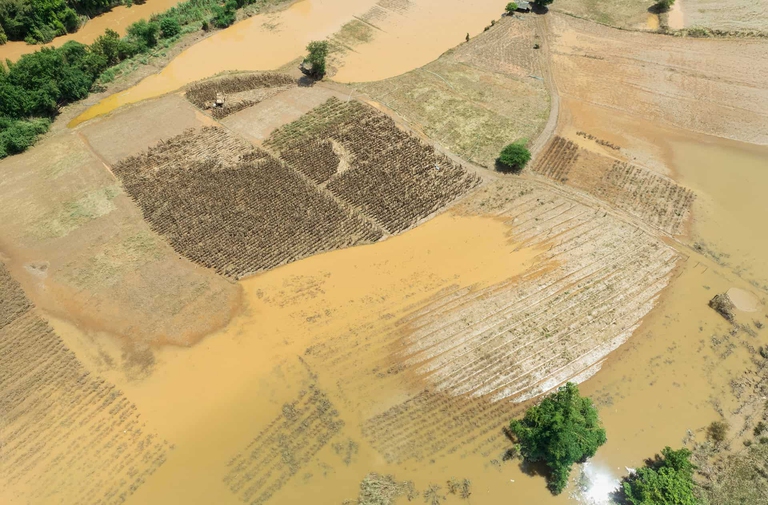
The El Niño events of 1981–82, 1996–97, 2015–16 and 2023–24 were among the strongest ever recorded. However, scientists warn that the 2026–27 cycle could be even more intense—a so-called “super” or “Godzilla” El Niño—raising the risk of severe droughts and floods capable of disrupting the global food system. According to the National Oceanic and Atmospheric Administration (Noaa), there is a 63 per cent probability that sea surface temperature anomalies will exceed 2°C above average by the end of the year.
Typically, El Niño increases the likelihood of drought across southern Africa and northern South America, while bringing heavier rainfall and flooding to southern Brazil, Argentina, Paraguay and Uruguay. Its effects are already being felt in agriculture. In India, the monsoon season has been significantly drier than usual, with some regions receiving only 25 per cent of their normal rainfall and parts of central India receiving just half their average precipitation. This could reduce supplies of wheat, rice and sugar cane.
The prospect of a new inflationary shock is worrying central banks, raising concerns that interest rates may need to remain high for longer. “El Niño brings climateflation back to the forefront,” analysts at UniCredit wrote in a recent note. “The recent heatwaves in Europe remind us that the climate baseline is already shifting. El Niño could add another layer of pressure later this year, amplifying the effects of global warming.”
According to Goldman Sachs, an event of this magnitude could increase global food commodity prices by 15.8 per cent, with ripple effects across international markets. European consumers are also expected to feel the impact, with food prices in the euro area forecast to rise by around 1.3 per cent.
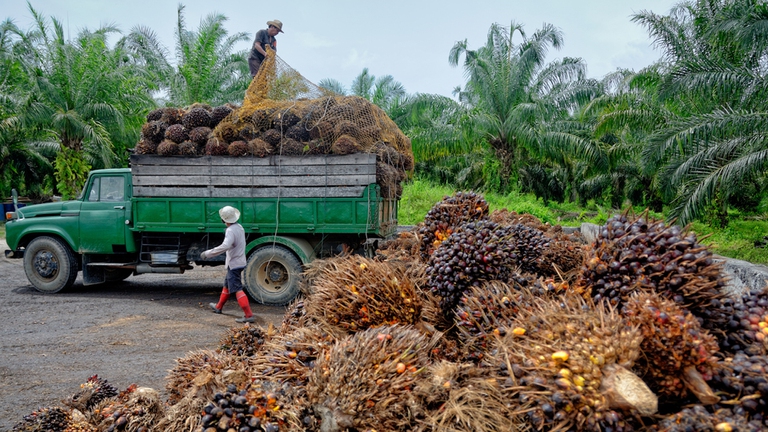
According to climate risk consultancy Risilience, the probability of an extreme El Niño scenario remains high. The company estimates that global agricultural production could decline by 14.3 per cent, equivalent to losses worth 342 billion US dollars. Price shocks for key commodities could range between 10 and 50 per cent, while particularly exposed crops—including rice, palm oil, sugar and coffee—could experience price increases of 50 to 100 per cent or more.
Experts expect El Niño’s full impact to unfold gradually, as different planting, growing and harvesting cycles vary across agricultural regions. The most significant consequences may not become fully apparent until the second half of 2028. Even relatively small disruptions to global trade could trigger sharp price fluctuations. Ultimately, the effect on supermarket prices will depend on mitigation strategies, national policies, consumer demand and retail pricing.
A Reuters report highlights how extreme heat is putting pressure on Italy’s Parmigiano Reggiano supply chain. Record temperatures are reducing both the quantity and quality of milk production. During heatwaves, cows spend more time lying down, eat less and produce up to 10 per cent less milk. At the same time, drought limits grass growth, reducing the availability of animal feed. Farmers are increasingly relying on fans and misting systems to cool livestock, driving up energy costs. Cooling requirements are also increasing in warehouses where Parmigiano Reggiano wheels are aged. If extreme weather becomes more frequent and prolonged, production costs are expected to continue rising.
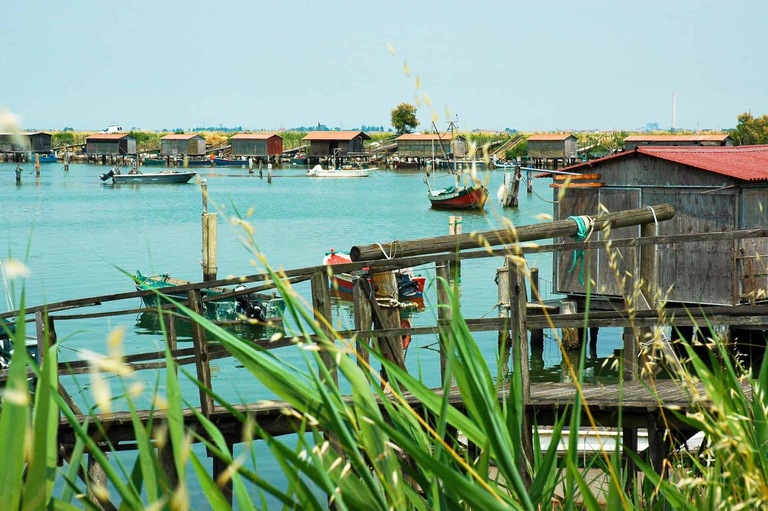
In Italy, Confcooperative Agroalimentare e Pesca has raised the alarm over the Po Delta, where extreme heat is causing widespread shellfish mortality. Water temperatures have reached 32°C, reducing oxygen levels in coastal lagoons. In the Scardovari Lagoon (Rovigo), the Polesine Fishermen’s Cooperative Consortium has already reported significant mussel losses and is now concerned about oysters, which are more resilient but remain at risk. Conditions are equally critical in the Goro Lagoon (Ferrara), where high temperatures and limited water circulation have effectively turned the lagoon into a “giant cooking pot,” severely affecting clam populations.
The region has also experienced an algal bloom of an intensity not seen for 10 to 15 years, forcing workers to remove algae to continue operating. Meanwhile, barriers installed to contain the invasive blue crab further restrict water circulation within the lagoons. According to current estimates, climate change causes around €200 million in direct damage to Italy’s commercial fisheries every year, particularly affecting shellfish farming.
Climate change is only one of several factors influencing food prices. A Fao report shows that global prices for beverages have risen much faster than those of agricultural commodities in recent years. Markets for coffee, cocoa and tea have become increasingly volatile due to structural weaknesses: according to the report, more than 90 per cent of price fluctuations are caused by sudden imbalances between supply and demand, often amplified by financial speculation.
Production is concentrated among smallholder farmers in a handful of developing countries, while processing and consumption take place mainly in wealthier nations. This geographical imbalance lengthens supply chains, increasing exposure to transport costs and logistical disruptions, which in turn amplify global shocks and threaten farmers’ incomes.
When prices rise, small producers rarely benefit from the increase and remain the most vulnerable to poverty and food insecurity. By contrast, the impact on retail prices is often more limited because the raw commodity represents only a small fraction of the final cost of processed and packaged products. According to the FAO, breaking this cycle will require greater investment in climate-resilient farming practices, improved transparency around harvest data to reduce speculative trading, and a fairer distribution of value across the entire supply chain.
Siamo anche su WhatsApp. Segui il canale ufficiale LifeGate per restare aggiornata, aggiornato sulle ultime notizie e sulle nostre attività.

Quest'opera è distribuita con Licenza Creative Commons Attribuzione - Non commerciale - Non opere derivate 4.0 Internazionale.
A report by the NGO network Climate Action Network proposes a series of concrete changes to revitalise the UN Climate Change Conferences.
Pescasseroli, in the heart of Italy’s Apennines, will host the IBA conference on bear conservation and human–bear coexistence. LifeGate will be the event’s media partner.
The inflation caused by extreme weather events is known as “climateflation”: prices for many food products are expected to rise sharply.
The toll is still provisional, but data collected across several European countries indicate that tens of thousands of people have died as a result of extreme heat.
Last February, Malaysia imposed a total ban on electronic waste imports. Yet toxic e-waste continues to arrive from the United States and other countries through illegal trafficking networks.
New scientific evidence suggests a link between calorie-free artificial sweeteners and impaired blood sugar regulation.
Although Earth Overshoot Day falls six days later than in 2025, this does not represent an improvement. The shift is the result of revised estimates of the oceans’ carbon absorption capacity, while humanity’s actual ecological footprint continues to grow.
Gigantic wildfires in France’s Gironde region and near Madrid, Spain, have devastated tens of thousands of hectares of vegetation.
Greece has launched a wildfire management system based on nanosatellites and artificial intelligence. A model that other countries are now looking to replicate.


