




The inflation caused by extreme weather events is known as “climateflation”: prices for many food products are expected to rise sharply.
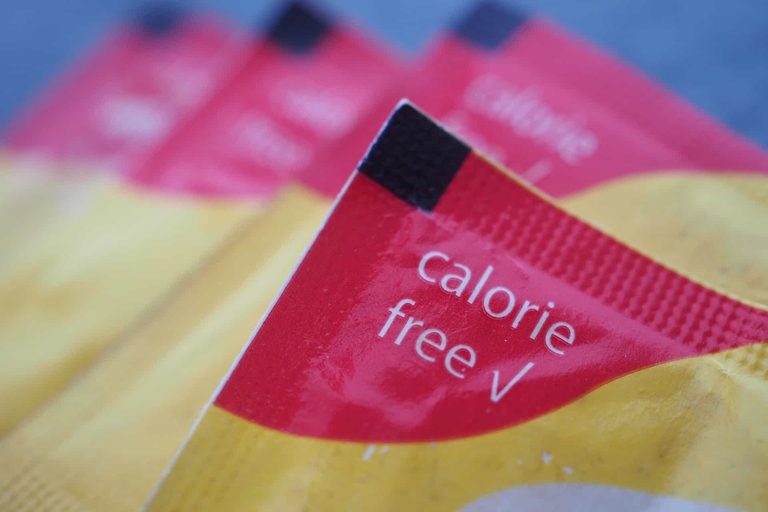
New scientific evidence suggests a link between calorie-free artificial sweeteners and impaired blood sugar regulation.
An increasing number of studies suggest that artificial and non-nutritive sweeteners (low- or no-calorie) may alter human metabolism. Many of these findings have now been brought together in a new systematic review and meta-analysis conducted by researchers at the Food is Medicine Institute at Tufts University, published in Current Atherosclerosis Reports.
Across 21 randomised clinical trials involving adults, researchers found that artificial and other low-calorie sweeteners, compared with water or placebo, increased fasting insulin levels and HbA1c—a marker of long-term blood glucose control—and showed a trend toward worsening insulin sensitivity.
“What makes our analysis particularly relevant is that, by focusing on non-caloric comparators, we were better able to isolate the direct physiological effects of the sweeteners themselves, rather than the calories they replace,” said lead author Meng Wang. “Looking across the individual studies, we see signals suggesting that these compounds may have adverse effects on metabolism.”
According to the researchers, one possible explanation for these effects involves the gut microbiome. Non-nutritive sweeteners typically pass through the intestine and come into direct contact with the bacteria that live there. One of the clinical studies included in the review found that some low-calorie ones altered both the composition and the function of the gut microbiota.
In addition to the randomised trials, the researchers also examined large observational studies, which generally found an association between the consumption of non-nutritive sweeteners and a higher risk of developing cardiometabolic diseases. Although these observational studies have limitations, and a different one may have different health effects, the researchers say that the overall body of evidence raises concerns.
“The rapidly growing use of these sweeteners has outpaced our understanding of their long-term health effects,” said Dariush Mozaffarian, one of the study’s authors. “Until we know more, caution is warranted.” According to the researchers, artificial sweeteners may be a better alternative than consuming large amounts of added sugar. However, they caution that they should not simply be assumed to be safe or harmless, and conclude that it is prudent to avoid them whenever possible.
Siamo anche su WhatsApp. Segui il canale ufficiale LifeGate per restare aggiornata, aggiornato sulle ultime notizie e sulle nostre attività.

Quest'opera è distribuita con Licenza Creative Commons Attribuzione - Non commerciale - Non opere derivate 4.0 Internazionale.
The inflation caused by extreme weather events is known as “climateflation”: prices for many food products are expected to rise sharply.
Coffee supports liver health and improves mood through its effects on the gut microbiota.
An observational study involving more than 10,000 older adults linked preparing meals at home with a lower risk of dementia, especially among those with limited cooking skills.
A Japanese study found that babies fed breast milk during their first six months of life had better sleep quality, while a Norwegian study found an association between breastfeeding and a lower risk of ADHD symptoms in childhood.
According to analysts, the emergence of a “super” El Niño could trigger a global food price shock, adding to inflationary pressures already fuelled by the conflict with Iran.
Ecuador’s shrimp exports continue to grow, but the country’s mangrove ecosystems are paying the highest price.
If women tend to feel colder than men for air conditioning, it’s largely because of a thermal comfort standard established sixty years ago.
An innovative Spanish study has found a link between the pesticide picloram and the onset of colorectal cancer among people under 50.
Immunologist Attilio Speciani explained his views on the new US food pyramid, offering an analysis of the guidelines and the influence of lobbying.


