




India’s indigenous Kondh community has relied on forest food for millennia. As climate change reduces agricultural yields, this source of nutrition could be crucial for food security.
An observational study involving more than 10,000 older adults linked preparing meals at home with a lower risk of dementia, especially among those with limited cooking skills.
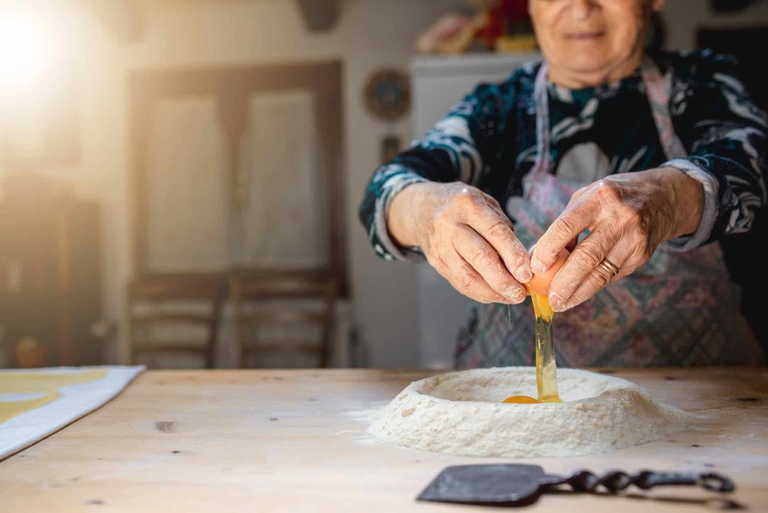
Preparing a home-cooked meal at least once a week could reduce the risk of dementia among older adults by 30 per cent. That risk could be even 70 per cent lower for people with limited cooking experience: this is what a study carried out in Japan and published online in the Journal of Epidemiology & Community Health suggests.
Researchers wanted to understand whether the frequency of cooking at home could be associated with the incidence of dementia and whether this depended on culinary skills. The study involved 10,978 participants aged 65 or older. Participants completed questionnaires about how often they prepared meals at home — from never to more than five times a week — as well as their level of cooking skills. These were assessed according to seven abilities, ranging from being able or unable to peel fruit and vegetables to being able or unable to prepare stews. Cases of dementia were identified through public healthcare system records, considering those requiring care assistance.
Data analysis showed that a higher frequency of preparing meals at home was associated with a lower risk of dementia in both men and women, although with differences depending on cooking skill level.
Cooking at least once a week was associated with a 23 per cent lower risk of dementia in men and a 27 per cent lower risk in women compared with cooking less than once a week. Among people with poor cooking skills, preparing a meal at least once a week was associated with a 67 per cent reduction in dementia risk.
These results remained consistent even after accounting for potentially influential factors such as lifestyle, household income and years of education, and were independent of other activities positively associated with cognitive reserve, such as crafts, volunteering and gardening.
Siamo anche su WhatsApp. Segui il canale ufficiale LifeGate per restare aggiornata, aggiornato sulle ultime notizie e sulle nostre attività.

Quest'opera è distribuita con Licenza Creative Commons Attribuzione - Non commerciale - Non opere derivate 4.0 Internazionale.
India’s indigenous Kondh community has relied on forest food for millennia. As climate change reduces agricultural yields, this source of nutrition could be crucial for food security.
Lab meat, also known as cultured or bio meat, is grown in a laboratory using animal cells entirely outside of an animal’s body. China has signed a 300 million dollar deal to partner with Israeli high-tech companies like SuperMeat, Future Meat Technologies and Meat the Future, which are three of only eight companies in the world growing
Sam Kass has been close to the Obama family for over a decade, starting as their chef in 2005. His commitment to promoting healthy eating and a more sustainable food system – which causes fewer emissions and less deforestation, therefore contributing to climate change mitigation – has found a perfect fit with the former president’s and especially First Lady
It’s called Safe Water Cube, it costs 5,500 euros and purifies every type of surface water without the need for electricity or maintenance.
According to FAO, if we don’t take action, up to 122 million people more will be driven into extreme poverty by 2030.
A report has sounded the alarm about the dangers of global warming for the citizens of the United States. The report, The impacts of climate change on human health in the United States, was released by the country’s government in 2016. Climate change is causing a surge in mental and respiratory illnesses, allergies, deaths from
Sharing a meal with friends has different effects on anxiety and mood from those produced by a quick meal eaten alone and almost without chewing. Sharing a meal increases the score of the nutri-emotional indicator in every food. Regardless of the specific score of a food item, the environment where one consumes it modifies its rating.
Every living being has a different and individual relationship with the energy contained in food. The intimate connection between all living beings with the sun can inspire our search for wellness.
There are a few practices to fight stress, be full of energy and be calm after a hard day. We’ve chosen four you must try.


