



Pescasseroli, in the heart of Italy’s Apennines, will host the IBA conference on bear conservation and human–bear coexistence. LifeGate will be the event’s media partner.
It’s called Safe Water Cube, it costs 5,500 euros and purifies every type of surface water without the need for electricity or maintenance.
About 750 million people worldwide still lack access to clean drinkable water. And 2.6 million people die every year from diseases resulting from unsafe drinking water. 76 percent of women and children living in developing countries spend 140 million hours collecting it in the nearest wells and fountains. This situation is estimated to get worse in the next few years due to climate change and the rapid population growth.
https://www.youtube.com/watch?v=0Ajul_oWvWs
For this reason, six years ago Jean-Paul Augereau, a French inventor in his 50s, tried to find “a suitable solution for every condition, one that can also be used in remote villages”. After weeks, months and years of hard work in his home in Carquefou, in the suburbs of Nantes, he finally reached his goal.
He then created the Safe Water Cube, a machine that makes every type of water drinkable, without using electricity. It is 1.2 metres tall, is automated and mobile, and can purify 1,000 litres of water per hour from different sources: rivers, seas, wells or ponds. In addition, it meets the criteria established by the World Health Organisation.
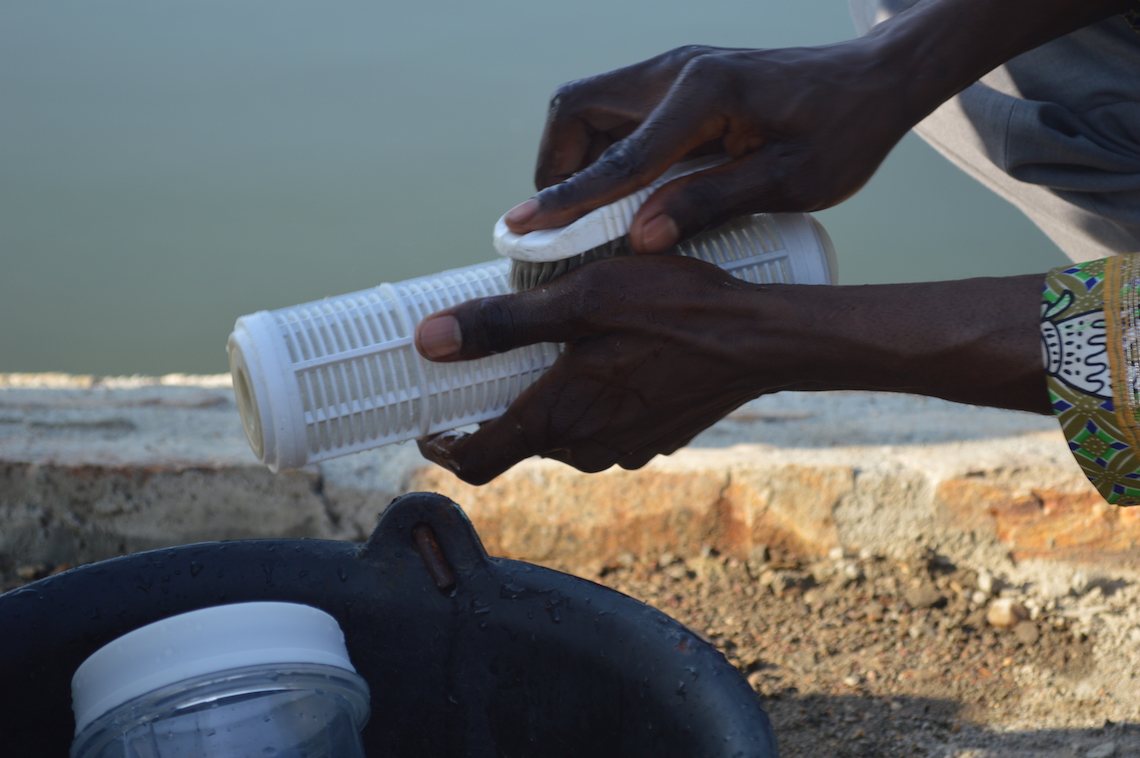
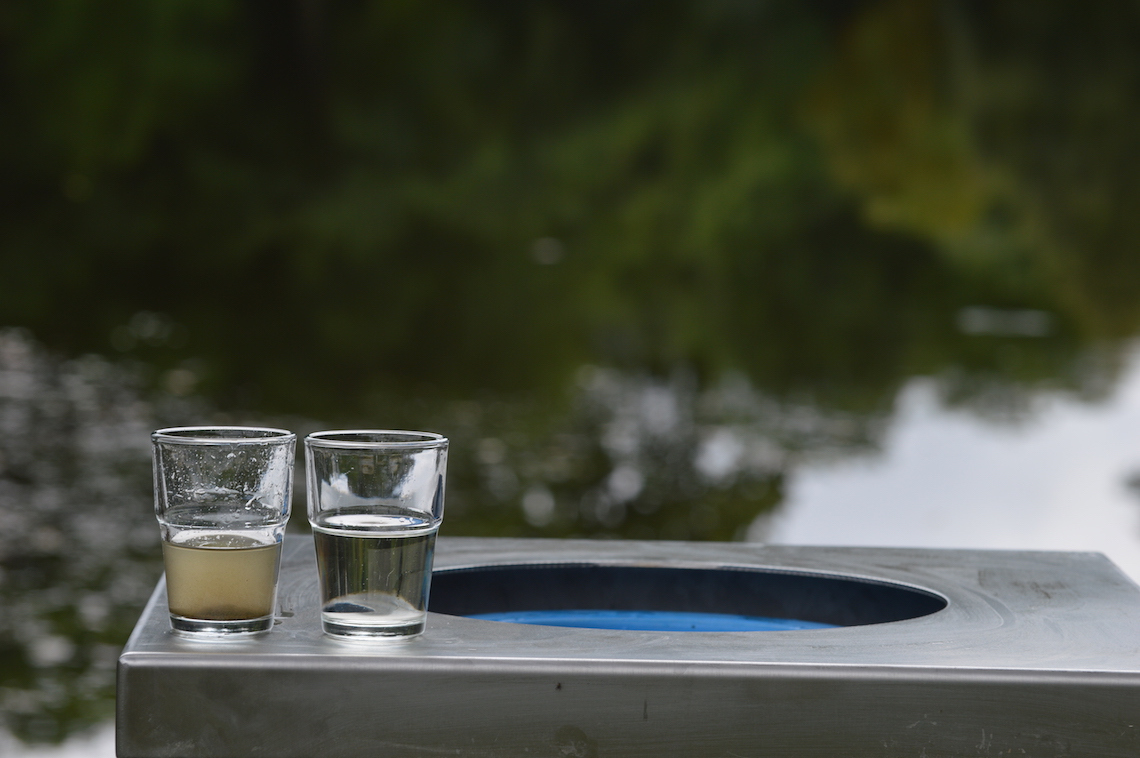
“The system – Augereau explains – makes every type of surface water drinkable, even if it’s muddy. It doesn’t require electricity, nor maintenance, it only needs to be cleaned with water and vinegar. To activate the machine you just need to pour or pump the liquid in the tank and then start the hand pump”. Then the fluid is mechanically filtered in five phases. In the last stage, water passes through a ceramic filter that removes every type of bacteria and viruses.
“There are similar machines in the market, but none of them is so effective in producing clean drinking water”. This system was so appreciated by the Municipality of Nantes so it decided to buy 15 machines that have been sent to some of the worst-affected areas of Haiti by Hurricane Matthew. Augereau’s invention is also rather cheap: it just costs 5,500 euros. A few NGOs have already sent a dozen machines to Benin, Senegal, India and Sri Lanka. And another 300 purifiers will soon be sent to Côte d’Ivoire.
Siamo anche su WhatsApp. Segui il canale ufficiale LifeGate per restare aggiornata, aggiornato sulle ultime notizie e sulle nostre attività.

Quest'opera è distribuita con Licenza Creative Commons Attribuzione - Non commerciale - Non opere derivate 4.0 Internazionale.
Pescasseroli, in the heart of Italy’s Apennines, will host the IBA conference on bear conservation and human–bear coexistence. LifeGate will be the event’s media partner.
The inflation caused by extreme weather events is known as “climateflation”: prices for many food products are expected to rise sharply.
The toll is still provisional, but data collected across several European countries indicate that tens of thousands of people have died as a result of extreme heat.
Last February, Malaysia imposed a total ban on electronic waste imports. Yet toxic e-waste continues to arrive from the United States and other countries through illegal trafficking networks.
Although Earth Overshoot Day falls six days later than in 2025, this does not represent an improvement. The shift is the result of revised estimates of the oceans’ carbon absorption capacity, while humanity’s actual ecological footprint continues to grow.
Gigantic wildfires in France’s Gironde region and near Madrid, Spain, have devastated tens of thousands of hectares of vegetation.
Greece has launched a wildfire management system based on nanosatellites and artificial intelligence. A model that other countries are now looking to replicate.
According to analysts, the emergence of a “super” El Niño could trigger a global food price shock, adding to inflationary pressures already fuelled by the conflict with Iran.
Residents of Kanseche, Malawi, accuse ABF of contributing to the devastating 2022 floods through its subsidiary, Illovo Sugar.


