




Pescasseroli, in the heart of Italy’s Apennines, will host the IBA conference on bear conservation and human–bear coexistence. LifeGate will be the event’s media partner.
South African court dismisses a major lawsuit by 140,000 Zambian women and children against Anglo American for Kabwe lead poisoning. A setback for affected communities enduring the lasting impact of lead contamination.
In a major setback for environmental justice, a South African Court has dismissed the groundbreaking lawsuit brought against Anglo American by 140,000 women and children from Zambia, claiming to have endured lead poisoning from one of the company’s mines. The case, filed in October 2020, was hailed as one of Africa’s largest class-action lawsuits. The allegations levied against the embattled firm pointed towards Anglo American’s negligence in preventing widespread lead contamination in the Zambian town of Kabwe throughout its operational history.
Situated 142 kilometers (88 miles) from the Zambian capital Lusaka, Kabwe, is internationally recognized as one of the most severely contaminated towns globally, characterized by lead pollution. According to industry experts Anglo American oversaw operations at the Kabwe lead mine and neglected crucial remediation efforts due to the absence of a comprehensive clean-up plan, a lapse that persisted even after the mine’s closure in 1994. The lack of a remediation plan was attributed to the inaction of the colonial government from 1925 to 1974.
Moreover, Dr. Lawrence reported that he gathered approximately 500 blood samples from children below the age of five at the Township Clinic during 1969-70. Almost all of these samples exhibited safe blood lead levels (BLLs), exceeding safe limits, with many reaching levels severe enough to cause significant brain damage and, in some cases, fatalities. Dr. Lawrence meticulously recorded these concerning findings in a report submitted to the Chief Medical Officer of the Kabwe mine.
In response to Dr. Lawrence’s revelations in 1970, upon being informed, Anglo took action by commissioning Professor Lane and Dr. King from the University of Manchester, UK, to scrutinize the accuracy of Dr. Lawrence’s claims. However, their investigation resulted in a comprehensive report confirming the validity of Dr. Lawrence’s findings.
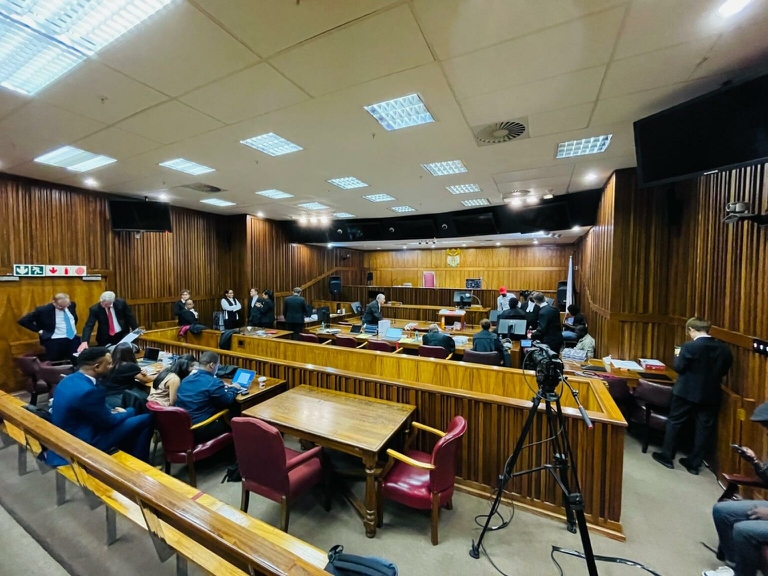
In January of this year, the South Africa’s Gauteng High Court in Johannesburg commenced the hearing of a groundbreaking case initiated by Zambian children and women against the mining giant Anglo American. This legal action sought compensation for lead poisoning. The 12-day hearing in the said court, which began on January 20, saw ongoing deliberations. In the course of these proceedings, the court made an announcement certifying this unprecedented class action.
In delivering the verdict, Justice Windell of the Johannesburg High Court issued a comprehensive 126-page judgment, determining that the claim against Anglo American South Africa (AASA) for widespread lead poisoning in Kabwe, Zambia, cannot proceed as a class action. The initiation of the class action took place in South Africa, with the claimants’ legal representatives arguing that seeking justice in Zambia would have been impractical. Additionally, the court raised apprehensions about the feasibility of managing the class action, labeling it as “unmanageable.” The court specifically cited the applicants’ projected ten-year timeline for their legal team to collect instructions from every member of the proposed classes as a key factor contributing to the impracticality of the case.
“We remain committed to securing justice for the 140,000 women and children affected by lead poisoning in Kabwe and the communities have made their intention to appeal very clear. We are very grateful for the support shown by everyone who has worked on this case in our continued pursuit of the best possible outcome for those affected by lead poisoning in Kabwe.” They stressed.
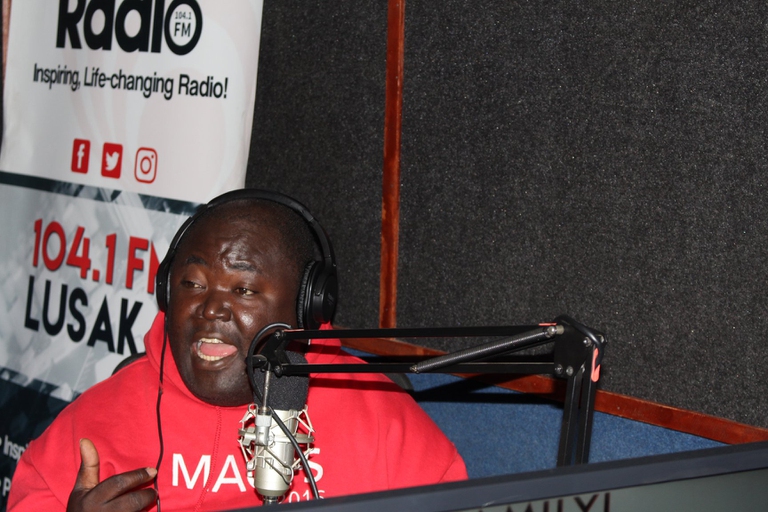
In an interview with LifeGate, Charles Kaluba expresses deep distress as a Kabwe town resident over the devastating news of the dismissed legal suit. He describes the moment as profoundly sad due to the severe pollution levels left by Anglo America, causing deaths in the community. “Our lawyers presented a compelling evidence and hopes for justice, sadly outcome is disheartening, leaving us feeling abandoned and betrayed” he stressed.
Meanwhile, Charles conveys a sense of hopelessness, emphasizing the urgent need for justice. He expresses reliance on their legal representative to appeal on their behalf, emphasizing the immediate necessity for justice in Kabwe.
In response to the court’s decision, Richard Price, the Legal & corporate affairs Director at Anglo American, remarked, “From the very beginning, this claim was legally and factually misconceived. While we empathize with the situation in Kabwe, Anglo American has consistently asserted that we are not responsible for it. The court’s decisive dismissal of this claim as untenable provides clarity, and we welcome this resolution.”
But, Dr. Francis Chishala, a Global Affairs Expert in an interview, strongly criticized Anglo American’s refusal to acknowledge responsibility for the lead contamination that has plagued Kabwe town over the years. He highlighted that the company had consistently disclaimed any accountability for the environmental deterioration resulting from lead pollution, causing significant harm to the local community.
Emphasizing the need to scrutinize scientific evidence linking lead poisoning in Kabwe to Anglo American’s activities, Dr. Chishala pointed out that studies had unequivocally demonstrated a direct correlation between the lead contamination in the area and the historical mining operations of the company. He underscored the undeniable proof of elevated lead levels in the soil, water, and the bodies of local residents, illustrating the profound impact of mining activities on both the environment and the health of the community.
In addition, he expressed concern about the dismissal of the class-action lawsuit, viewing it as a perilous signal that could potentially embolden multinational corporations to persist in environmentally damaging practices without fear of consequences. Dr. Chishala pointed out that the absence of a looming threat of legal action and potential financial repercussions might diminish the motivation for corporations to adopt more sustainable and environmentally friendly practices.
Thus, despite this setback, there is a resolute commitment to pursue an appeal, with both lawyers and claimants unwavering in their determination to seek justice for those adversely impacted by lead poisoning.
Siamo anche su WhatsApp. Segui il canale ufficiale LifeGate per restare aggiornata, aggiornato sulle ultime notizie e sulle nostre attività.

Quest'opera è distribuita con Licenza Creative Commons Attribuzione - Non commerciale - Non opere derivate 4.0 Internazionale.
Pescasseroli, in the heart of Italy’s Apennines, will host the IBA conference on bear conservation and human–bear coexistence. LifeGate will be the event’s media partner.
The inflation caused by extreme weather events is known as “climateflation”: prices for many food products are expected to rise sharply.
The toll is still provisional, but data collected across several European countries indicate that tens of thousands of people have died as a result of extreme heat.
Last February, Malaysia imposed a total ban on electronic waste imports. Yet toxic e-waste continues to arrive from the United States and other countries through illegal trafficking networks.
Although Earth Overshoot Day falls six days later than in 2025, this does not represent an improvement. The shift is the result of revised estimates of the oceans’ carbon absorption capacity, while humanity’s actual ecological footprint continues to grow.
Gigantic wildfires in France’s Gironde region and near Madrid, Spain, have devastated tens of thousands of hectares of vegetation.
Greece has launched a wildfire management system based on nanosatellites and artificial intelligence. A model that other countries are now looking to replicate.
According to analysts, the emergence of a “super” El Niño could trigger a global food price shock, adding to inflationary pressures already fuelled by the conflict with Iran.
Residents of Kanseche, Malawi, accuse ABF of contributing to the devastating 2022 floods through its subsidiary, Illovo Sugar.


