



Ecuador’s shrimp exports continue to grow, but the country’s mangrove ecosystems are paying the highest price.
Pescasseroli, in the heart of Italy’s Apennines, will host the IBA conference on bear conservation and human–bear coexistence. LifeGate will be the event’s media partner.
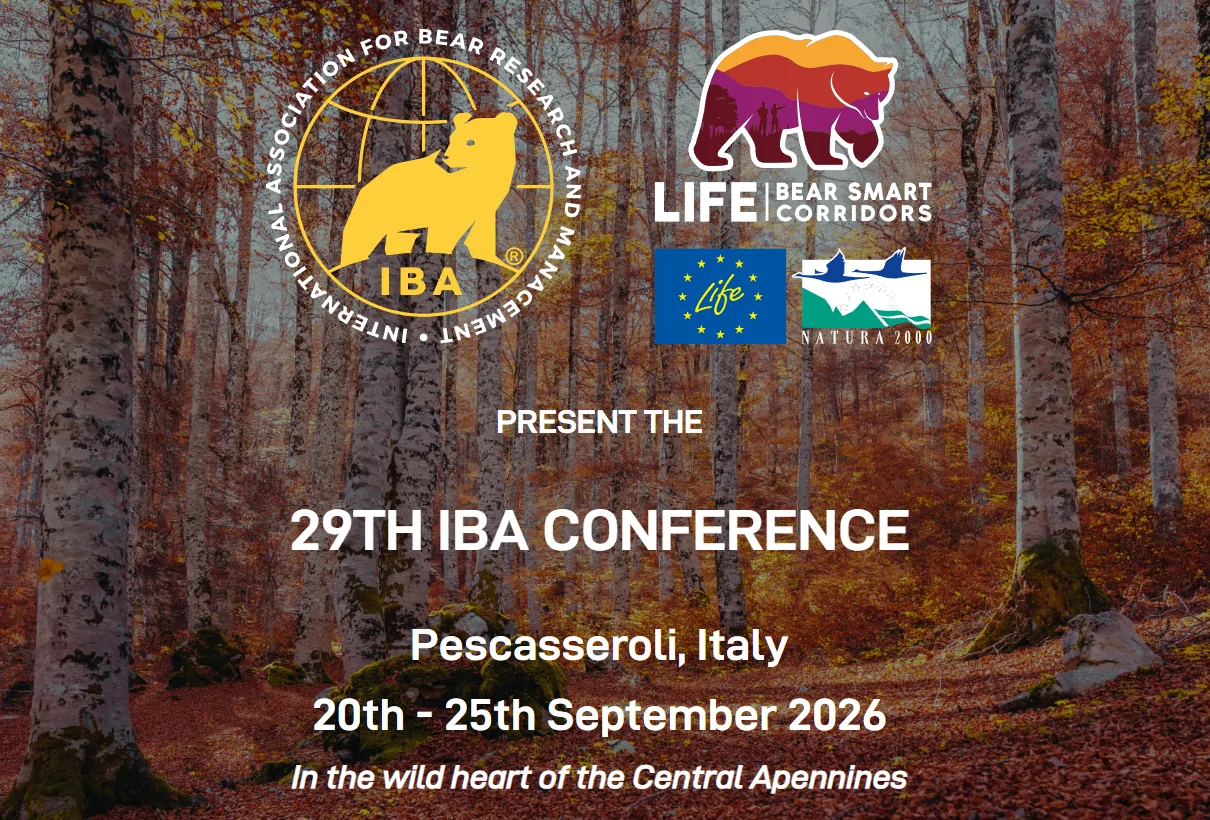
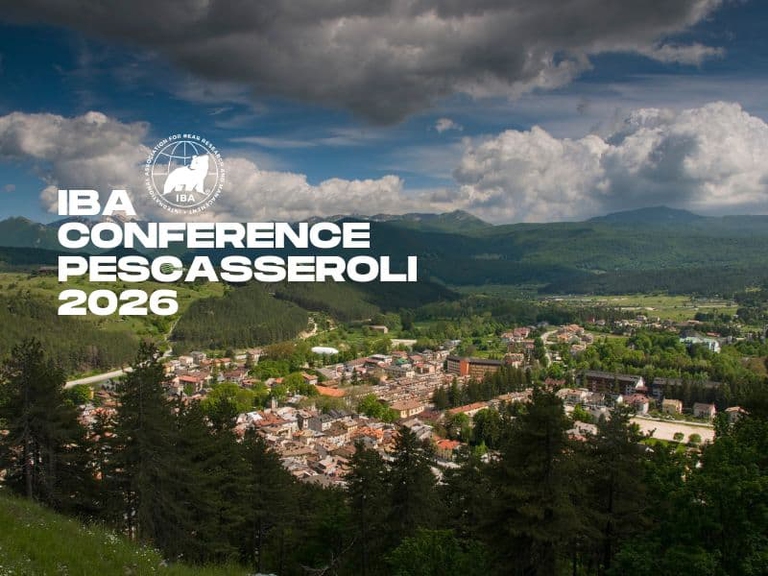
From 20 to 25 September 2026, Pescasseroli, in the heart of Abruzzo, Lazio and Molise National Park, will host the 29th Conference of the International Association for Bear Research and Management (Iba), the world’s leading event dedicated to bear research, conservation and management. For the first time, the conference will take place in Italy, bringing together researchers, protected area managers, institutions and experts from around the world to discuss conservation strategies and human coexistence with large carnivores.
The conference follows shortly after the publication of the latest estimate of the Marsican brown bear population. The study, presented in July by Italy’s Ministry of the Environment and Energy Security and Abruzzo, Lazio and Molise National Park, estimates a population of 81 bears (43 females and 38 males), with an uncertainty range of 73 to 88 individuals.
The estimate covers an area of more than 6,000 square kilometres across the central Apennines and confirms the national park and its surrounding buffer zone as the core of the population. The study also identified around 16 bears living in peripheral areas, highlighting the species’ ongoing range expansion.
We are extremely proud to host this important international event in the central Apennines. It will bring together a global community dedicated to conserving the world’s eight bear species while shining a spotlight on a subspecies that is truly unique, not only biologically but also in behavioural and cultural terms.
Mario Cipollone, Team Leader, Rewilding Apennines
The central Apennines were chosen because of the work carried out in recent years to protect the Marsican brown bear and improve coexistence between bears and human activities. The region pioneered the Bear-Smart Communities model, which brings together local authorities, residents, farmers and businesses to reduce conflicts with bears through practical measures, including bear-proof waste management and prevention of damage to productive activities.
The conference in Pescasseroli will showcase the remarkable conservation efforts and community engagement taking place in the wild heart of Italy, allowing biologists from around the world to take these experiences home and apply them in their own regions.
Jennapher Teunissen van Manen, IBA Director of Operations and Programs
Developed over the past decade and now expanded to 16 communities through the European LIFE Bear-Smart Corridors project, the initiative covers the area where around 80 per cent of the Marsican brown bear population lives. The project has led to the installation of more than 1,300 bear-proof waste bins, the distribution of over 180 electric fences, and extensive community outreach and education programmes. This experience played a key role in Pescasseroli being selected to host the 2026 IBA conference.
“To achieve this goal, the LIFE Bear-Smart Corridors project has enabled us to work even more closely with local communities, helping people better understand what it truly means to share the same landscape with bears,” said Giovanni Cannata, President of Abruzzo, Lazio and Molise National Park. “Global initiatives like this, which will bring researchers from all over the world to Pescasseroli, influence local conservation strategies by providing a broader frame of reference. Knowing that researchers, biologists and conservationists across the world are working to make coexistence possible in different environments makes us feel less alone and even more determined to face future challenges.”
Held every two years, the 2026 IBA Conference is organised by Abruzzo, Lazio and Molise National Park, Rewilding Europe, Rewilding Apennines and Salviamo l’Orso, with the support of Italy’s Ministry of the Environment and Energy Security. Over six days, Pescasseroli will host scientific sessions, technical meetings and discussions focused on bear research and management.
LifeGate will serve as the conference’s media partner, covering the event from Pescasseroli with articles, interviews and in-depth reporting on the main topics discussed, as well as on the conservation of and coexistence with the Marsican brown bear.
In 2026, local communities and project partners will be able to demonstrate how much has already been achieved—and, above all, how much work still lies ahead.
Abruzzo, Lazio and Molise National Park on IBA 2026
Siamo anche su WhatsApp. Segui il canale ufficiale LifeGate per restare aggiornata, aggiornato sulle ultime notizie e sulle nostre attività.

Quest'opera è distribuita con Licenza Creative Commons Attribuzione - Non commerciale - Non opere derivate 4.0 Internazionale.
Ecuador’s shrimp exports continue to grow, but the country’s mangrove ecosystems are paying the highest price.
Its oceanic microclimate, fertile soils, and the alternation of rain and sunshine make Normandy the ideal place for flax cultivation. A journey through the region offers a close-up look at the European flax supply chain, from cultivation to fibre processing.
Our species took its first steps in a world covered in trees. Today, forests offer us sustenance, shelter, and clean the air that we breathe.
Poachers in Africa are encroaching on wildlife land and killing rhinos in travel hot spots now devoid of visitors due to the coronavirus pandemic.
Actor and environmental activist Leonardo DiCaprio has contributed two million dollars to a fund to protect Virunga National Park in Congo from threats such as terrorism, the coronavirus and poaching.
For the first time in seventeen years, Iceland’s two main whaling companies won’t resume whale hunting. The announcement concerns this year’s season but could carry into the future.
The relationship between the coronavirus and wildlife is complex: while the pandemic may lead to a reduction in the illegal trade in wild animals, it may also encourage it in other respects.
The largest coral reef in the world is severely threatened by climate change, but researchers are developing strategies that could contribute to saving the Great Barrier Reef.
NGO Free the Bears has opened a mountain sanctuary for moon bears in Laos. With the government’s help, it aims to close all bile farms by 2022.