Rethinking the United Nations Climate Change Conferences to make them truly effective once again. With just a few weeks to go before COP31, which will be held in Turkey this November, a report by the network of non-governmental organisations Climate Action Network (CAN) puts forward a series of concrete proposals to reform the only forum that allows countries from around the world to come together every year to address global warming.
COPs remain the only mechanism that has enabled progress, albeit insufficient
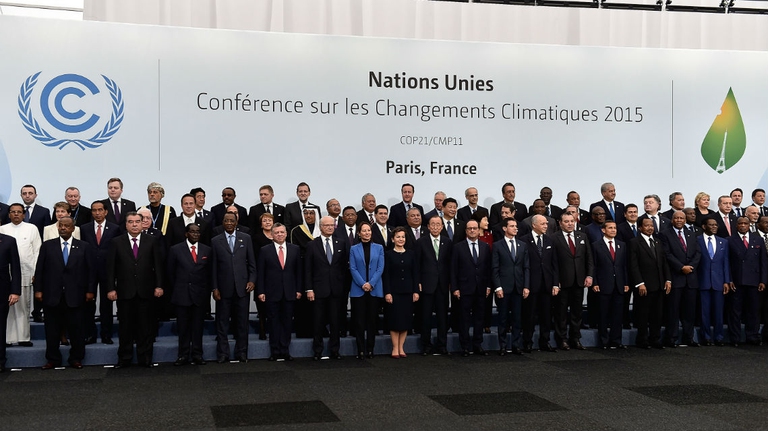
This is precisely the premise from which Climate Action Network starts: the COPs have been, are and remain a crucial element. The progress governments have made in recent decades — although undeniably insufficient — has come precisely through the negotiations held under the auspices of the UNFCCC, the United Nations Framework Convention on Climate Change. This was the case with the Kyoto Protocol in 1997, adopted at COP3 in Japan, and with the Paris Agreement, reached in the French capital in 2015.
However, objectively speaking, over the past ten years — from COP22 in Marrakesh, Morocco, to the most recent conference in Belém, Brazil — there have been far more disappointments than breakthroughs. As the report notes, the result is that “this multilateral space is increasingly being criticised”, which is “hardly surprising, since the rise of populism and the far right, along with conflicts and violence affecting populations, has contributed to making climate change less central to the political agendas of many decision-makers”.
The principle of “consensus” at global climate conferences is under scrutiny
Revitalising the COPs, which originated with the 1992 Earth Summit, therefore represents a difficult but fundamental challenge. Over time, the conferences have become bloated, to the point that they now “resemble trade fairs”. As a result, there are numerous operational problems, some internal and others linked to the geopolitical context.
According to CAN’s report, the dynamics of the negotiations remain too firmly rooted “in a Global North-Global South divide that is still anchored in the 1990s: Europe seeks binding commitments, the United States pushes for flexibility, developed countries demand conditionality for the provision of finance, while the G77 and China focus on issues of global equity”.
When it comes to #ClimateAction, the road ahead is clear:
Moreover, the negotiating process is based on what is known as “consensus”, which amounts to a kind of disguised unanimity: delegations do not vote in favour of a text but accept it by raising no objections. Compliance with all decisions is, in practice, mandatory only on paper, since there are no sanctions to punish those who fail to comply, nor courts or other bodies empowered to do so. Only at the national level — since the Paris Agreement is ratified by each individual state — is it potentially possible to demand compliance with the commitments undertaken.
Too much room for “bad-faith actors” and fossil fuel lobbyists
“This system,” CAN states, “allows bad-faith actors to block progress or renegotiate decisions that have already been adopted, resulting in limited implementation and a proliferation of talks and work programmes. The failure of the mitigation programme envisaged under the Paris Agreement is an excellent example of this trend.”
Another factor hampering efforts to tackle global warming is the “growing participation of representatives of fossil fuel interests, agribusiness and other polluting industries”, as well as “increasing restrictions on negotiating spaces open to observers”.
Three areas for action and six recommendations proposed
According to CAN, action is needed in three areas to make COPs effective again: “Rethink their format, ensuring respect for human rights and civil society participation; introduce ambitious conflict-of-interest rules to counter lobbying; and review the decision-making process, particularly the consensus rule.”
Specifically, the report sets out six recommendations for establishing a new governance model for the conferences.
1 – Strict rules for lobbyists representing polluting companies
The proposal is to “copy” the rules introduced by the World Health Organization to counter the tobacco lobby. This new approach could already be discussed at COP31 and would require all participants — official delegations, associations, non-governmental organisations and representatives of any organisation or group — to disclose publicly who is funding their participation.
At the same time, the report calls for representatives of civil society and Indigenous peoples to be guaranteed observer status, allowing them to follow all negotiations transparently. Finally, it proposes banning representatives of private companies from being included in government delegations — a loophole used by many governments to ensure their presence at all the main negotiating tables.
2 – Hold high-participation COPs every two years
CAN proposes creating more streamlined mechanisms to achieve progress, making the Climate Change Conferences characterised by “high participation and media attention” biennial, in line with the timetable of the Global Stocktake and Nationally Determined Contribution cycles — the greenhouse gas emissions reduction pledges that each government is required to submit to the UNFCCC, commonly known as NDCs.
3 – Move beyond the principle of “consensus”
The proposal is to allow certain decisions to be adopted by majority vote when “consensus” cannot be reached, preventing a very small number of countries from effectively blocking the entire negotiating process.
4 – Impose accountability and transparency on states
To make NDCs more binding, the report proposes that they should no longer be submitted solely to the UNFCCC, but also to the United Nations Secretariat. It also calls for journalists to be given access to certain negotiations on these issues, allowing the media to put pressure on governments and political decision-makers.
5 – Review the criteria for selecting COP host countries
The proposal aims to ensure transparency and inclusiveness in the preparations for each summit. Too many conferences, the report argues, have effectively been held “away from home”, in countries with major interests in the fossil fuel sector. It also calls for new rules on sponsorship, as oil companies have on several occasions appeared among those providing funding in exchange for visibility at the UN Climate Change Conferences.
6 – Ensure transparency and participation
Climate Action Network is calling for the introduction of a transparent system for allocating observer badges, with the stated aim of strengthening the participation of countries from the Global South. It also proposes streamlining visa procedures while ensuring impartiality and respect for human rights.
If the UN Climate Change Conferences are the only mechanism available for bringing governments from around the world together, they need to become genuinely capable of driving change once again. But reforming the COP system requires the same ingredient needed to address global warming itself: political will.
Pescasseroli, in the heart of Italy’s Apennines, will host the IBA conference on bear conservation and human–bear coexistence. LifeGate will be the event’s media partner.
The toll is still provisional, but data collected across several European countries indicate that tens of thousands of people have died as a result of extreme heat.
Last February, Malaysia imposed a total ban on electronic waste imports. Yet toxic e-waste continues to arrive from the United States and other countries through illegal trafficking networks.
Although Earth Overshoot Day falls six days later than in 2025, this does not represent an improvement. The shift is the result of revised estimates of the oceans’ carbon absorption capacity, while humanity’s actual ecological footprint continues to grow.
Greece has launched a wildfire management system based on nanosatellites and artificial intelligence. A model that other countries are now looking to replicate.
According to analysts, the emergence of a “super” El Niño could trigger a global food price shock, adding to inflationary pressures already fuelled by the conflict with Iran.