The inflation caused by extreme weather events is known as “climateflation”: prices for many food products are expected to rise sharply.
Droughts, waves of extreme heat, megafires, storms and floods do not only cause localised damage in the areas they affect. On the contrary, they have repercussions for the economy, production capacity and even our own wallets, including over the long term. In recent months, temperature anomalies and a lack of rainfall have been followed by waves of extraordinarily intense storms. All of this is already contributing to what some economists have called climateflation, or climate-driven inflation.
Oxford Economics: global food prices expected to rise by 11.8 per cent
Extreme weather events directly affect the agricultural sector, harvests and logistics, with knock-on effects on food prices. Globally, according to an analysis by Oxford Economics, food prices are expected to rise by 11.8 per cent over the course of the year. For now, this increase cannot be attributed to El Niño, the cyclical climate phenomenon characterised by the abnormal warming of waters in the equatorial Pacific.
El Niño, in fact, will only begin to make its effects felt from next autumn, meaning that its impact on consumer prices will come later, amplifying the problem over the medium and long term. The prolonged, suffocating heat experienced in recent months has therefore been overwhelmingly driven by human-caused climate change, primarily resulting from the burning of coal, oil and gas. Making matters worse, the prices of these fossil fuels have themselves risen sharply in recent months as a result of international geopolitical tensions, increasing the cost of transporting goods.
Energy costs, and consequently transport costs, are also taking their toll
This widespread pressure is prompting producers and manufacturers to pass higher costs on to consumers. Considering that the vast majority of goods are still transported using vehicles powered by combustion engines, the impact of extreme weather must therefore be combined with developments in the energy sector. It is an explosive combination whose consequences consumers are increasingly likely to face.
Coceral — the European association representing the trade in cereals, rice, animal feed, oilseeds, olive oil, oils and fats, and agricultural supplies — published a report in July warning about the outlook for cereal harvests. Total production across the 27 European Union member states and the United Kingdom is expected to fall from 311.3 million tonnes last year to 295.5 million tonnes. The barley harvest, for example, is expected to decline from 63.8 to 58.8 million tonnes.
Cereal harvests fall across the board: “Spring was too dry, followed by extreme heat”
In particular, according to AFP, a report by the German Farmers’ Association indicates that total cereal production is expected to fall by 7 per cent, from 45.2 million tonnes in 2025 to 41.9 million tonnes. Yields are likewise expected to decline by 9 per cent. The association has little doubt about the causes of this negative trend: “The decisive factors were an overly dry spring and the extreme heatwave in the second half of June, which caused premature ripening in many areas.” Similarly, the British non-profit Energy and Climate Intelligence Unit has estimated gross losses of around 10 million tonnes, which would translate into approximately €2 billion in lost revenue for farmers.
But pressures on the agricultural sector are multiplying in many regions around the world. Among the products expected to see widespread price increases is coffee, whether sold as beans, ground coffee or capsules. The historic drought affecting Brazil has sharply reduced global harvests of both arabica and robusta. Extreme heat followed by torrential rainfall has also damaged cocoa harvests in Ivory Coast and Ghana, the world’s leading producers.
Olives, citrus fruits, potatoes, coffee and cocoa: prices are set to rise
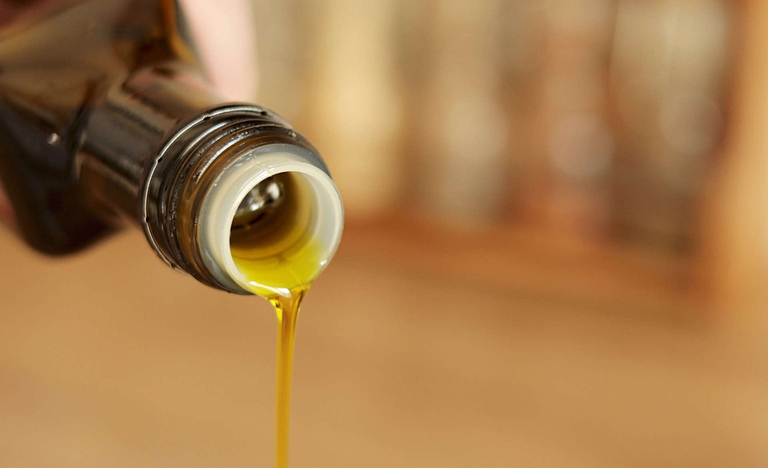
A lack of rainfall and prolonged water stress have also affected olive cultivation in Tuscany, while in eastern Liguria the flooding and extreme storms recorded during the final third of August caused serious losses, according to Coldiretti. “In some areas,” the farmers’ association explained, “losses in olive production have reached as much as 50 per cent, with significant damage also affecting vineyards.” Harvests are also proving difficult in other regions, including major producing areas of Spain and Greece. As a result, increases in olive oil prices can be expected over the short and medium term.
![pesticidi alimenti]()
Olive oil could also become more expensive in the coming months © iStock
Similarly, drought in Brazil, combined with the spread of huanglongbing (HLB), or citrus greening disease, could cause citrus fruit prices to soar, affecting both fresh fruit and products such as orange juice. Countries such as Italy import a significant share of these products from Brazil, as well as from Mexico and Turkey.
At the same time, extreme heat and intense rainfall in European agricultural areas in recent months are causing a historic decline in potato harvests, while also dramatically reducing the size of the tubers. Belgium, the world’s largest exporter of frozen French fries, is among the countries particularly affected.
Pressure is also mounting on wheat, sugar and butter production
The extreme temperatures have also affected durum wheat, with supplies expected to decline and prices consequently rise. Meanwhile, drought affecting pastures, the high cost of alternative feed and heat stress suffered by livestock have reduced the overall amount of milk fat available, making it more difficult to produce butter and other dairy products.
Finally, sugar cane cultivation in Asia has been affected by unusual monsoon patterns, while European sugar beet growers have had to contend with a lack of water during the summer. These pressures, too, are ultimately expected to be reflected in higher consumer prices.
Siamo anche su WhatsApp.
Segui il canale ufficiale LifeGate per restare aggiornata, aggiornato sulle ultime notizie e sulle nostre attività.

Quest'opera è distribuita con Licenza Creative Commons Attribuzione - Non commerciale - Non opere derivate 4.0 Internazionale.