



A report by the NGO network Climate Action Network proposes a series of concrete changes to revitalise the UN Climate Change Conferences.
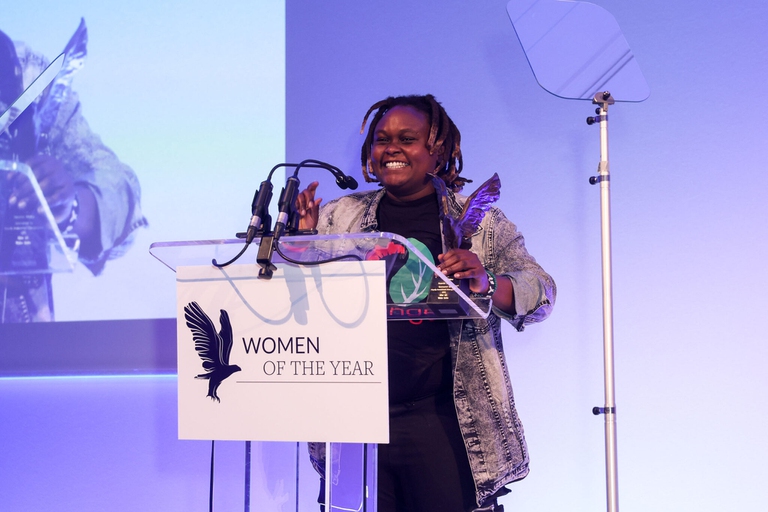
Nzambi Matee is a Kenyan engineer who produces sustainable low-cost construction materials made of recycled plastic waste with the aim of addressing plastic pollution and affordable housing.
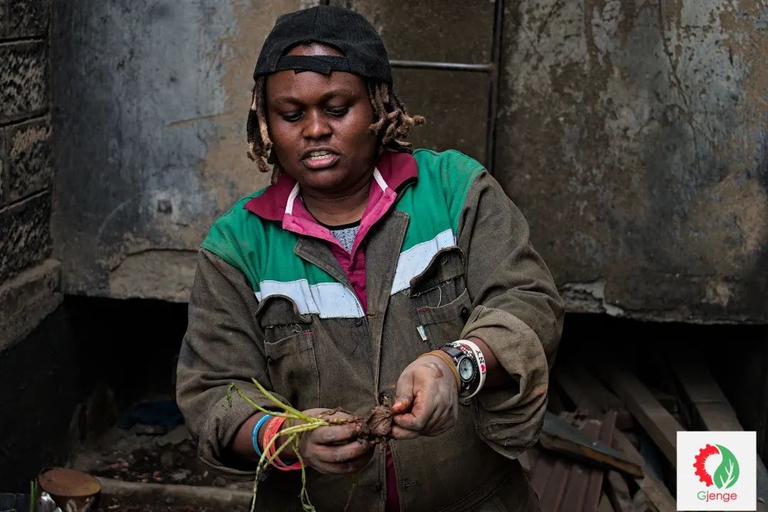
Nzambi Matee is a 31-year-old social entrepreneur and the director of Gjenge Makers which is based in Kenya’s capital Nairobi. Her journey began with a simple yet profound realization plastic waste was choking her city, Nairobi, and the planet at large.
Instead of turning a blind eye to the problem, she decided to be part of the solution. Armed with a background in materials engineering and a passion for sustainability, Nzambi founded the ‘Gjenge Makers’, a social enterprise dedicated to tackling the plastic waste crisis head-on.
“In 2017, I decided to quit my formal job as a data analyst in order to focus on sustainability and waste management. Using material engineering and science background, I was like, how can we figure out a way to convert this plastic waste into something useful? It was from here when I decided to enter building space because; building is a basic human need. Fast forward, that’s how we ended up converting plastic into building blocks.” she disclosed.
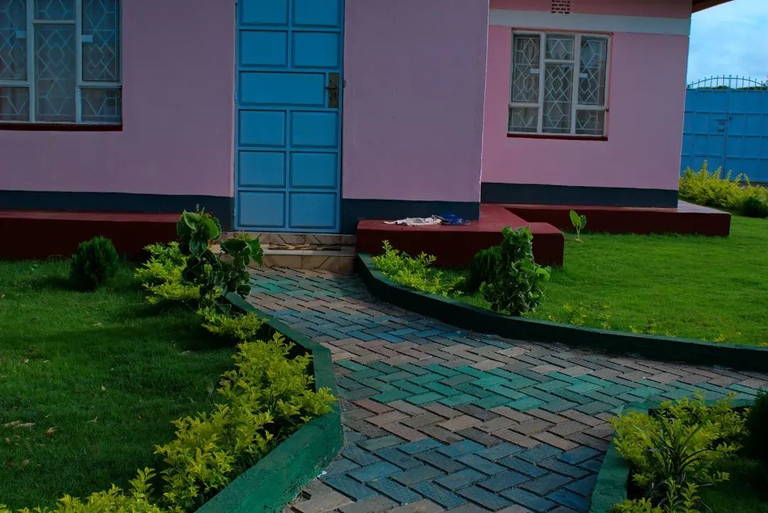
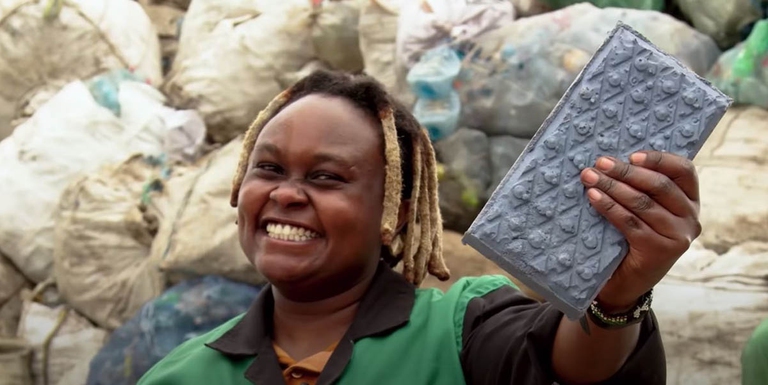
Nzambi explains the several stages to Gjenge’s mechanical plastic waste recycling. She said the first stage involves pre-processing includes the sourcing and collection of plastic waste. The waste is cleaned, shredded, and separated into different plastic types. Secondly, the processing stage involves the mixing of waste plastic with sand and glass. However, it is at this stage when colour in the process.
Meanwhile, the final stage involves a hydraulic press, includes breaks the mixture into different shapes and sizes depending on whatever block you’re making. “And then the materials are moved to the cooling bath; where we reduce the temperatures to room temperature. Once the blocks are cool, they are ready to be laid. Nzambi said the paving blocks are stronger and cheaper than concrete blocks.
The heart of Nzambi’s ingenious solution lies in turning plastic waste into sustainable construction materials. Gjenge Makers specializes in producing high-quality paving blocks and construction bricks from discarded plastic, a process that reduces environmental impact while providing affordable building materials.
However, what sets Matee’s venture apart is not just its environmental benefits but also its social impact.
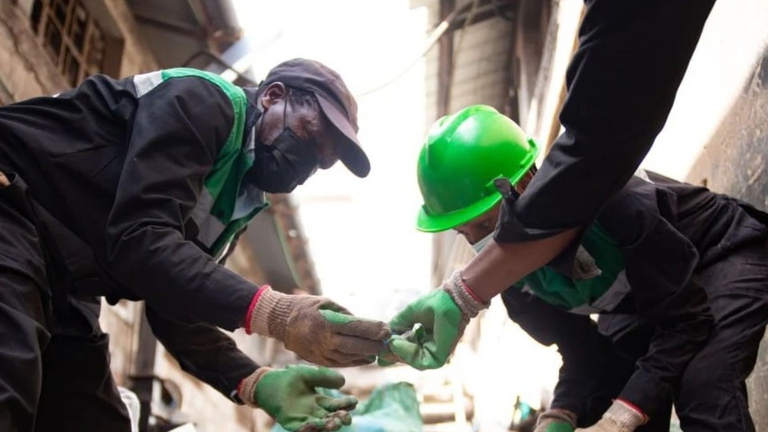
“Our company employ marginalized individuals, especially women and youth, Gjenge Makers is empowering communities and offering hope for a better future. This combination of environmental and social sustainability makes stand out us ‘Gjenge Makers’ a true pioneer in the world of social entrepreneurship”.
Furthermore, Nzambi admits that creating building blocks out of plastic waste wasn’t in her initial business plan. “I was initially going to open a plastics collection company that would sort and sell plastic waste to other recycling firms in the city. But later, I realised that our enterprise ‘Gjenge’ was collecting plastic waste faster than the recycling companies could absorb. So I decided to use my engineering background and pivot to create sustainable alternative construction products.
Nzambi reviewed that Gjenge’s product has been so well received that the supply of goods is currently outstripping their demand adding that Gjenge has the capabilities of producing 3.000 pavers daily, however, Gjenge’s demand is about 10.000 per day. “We have more demand than we can supply.” she remarked.
Nzambi work has not gone unnoticed. Her innovative approach to plastic recycling has garnered international acclaim and recognition. In recent years, she was honored with the prestigious Award for Conservation in Africa and named a Young champion of the Earth by the United nations. However, these accolades serve as a testament to her dedication and impact both in her country and global stage.
Joseph Kumwenda, an environmental activists said that Nzambi’s story serves as a call to action adding that it demonstrates what he described as determination, innovation, and a deep commitment to the planet. “I believe that we can overcome even the most daunting environmental crises because people like her leading in front have shown that it’s possible to turn plastic waste, a symbol of environmental degradation, into a source of hope and progress.” he observed.
Bernard Kioko Ndaka, Conservationist and director at Global Green Economy – Kenya (GGEK), describe Nzambi’s initiative as truly commendable and inspiring. “I think she has demonstrated an extraordinary commitment to addressing one of our country’s most pressing environmental issues plastic waste. We are all inspired by her innovative approach of recycling plastic waste into durable building materials through her company; not only helps reduce the environmental impact of plastic pollution here Kenya but also offers a sustainable solution to housing and construction needs the country.
“I strongly believe that Nzambi is a force for positive change. Her relentless pursuit of a cleaner, more sustainable planet is an inspiration to us all. Through her work, she reminds us that the power to address global challenges like plastic pollution lies within each of us.
Thus, in a world grappling with the mounting crisis of plastic pollution, heroes emerge from unexpected places. Nzambi Matee, a Kenyan social entrepreneur, stands as a beacon of hope in the fight against plastic waste. Her remarkable journey and innovative initiatives in plastic recycling have not only transformed lives but also paved the way for a more sustainable future.
Siamo anche su WhatsApp. Segui il canale ufficiale LifeGate per restare aggiornata, aggiornato sulle ultime notizie e sulle nostre attività.

Quest'opera è distribuita con Licenza Creative Commons Attribuzione - Non commerciale - Non opere derivate 4.0 Internazionale.
A report by the NGO network Climate Action Network proposes a series of concrete changes to revitalise the UN Climate Change Conferences.
Pescasseroli, in the heart of Italy’s Apennines, will host the IBA conference on bear conservation and human–bear coexistence. LifeGate will be the event’s media partner.
The inflation caused by extreme weather events is known as “climateflation”: prices for many food products are expected to rise sharply.
The toll is still provisional, but data collected across several European countries indicate that tens of thousands of people have died as a result of extreme heat.
Last February, Malaysia imposed a total ban on electronic waste imports. Yet toxic e-waste continues to arrive from the United States and other countries through illegal trafficking networks.
Although Earth Overshoot Day falls six days later than in 2025, this does not represent an improvement. The shift is the result of revised estimates of the oceans’ carbon absorption capacity, while humanity’s actual ecological footprint continues to grow.
Gigantic wildfires in France’s Gironde region and near Madrid, Spain, have devastated tens of thousands of hectares of vegetation.
Greece has launched a wildfire management system based on nanosatellites and artificial intelligence. A model that other countries are now looking to replicate.
According to analysts, the emergence of a “super” El Niño could trigger a global food price shock, adding to inflationary pressures already fuelled by the conflict with Iran.


