



A report by the NGO network Climate Action Network proposes a series of concrete changes to revitalise the UN Climate Change Conferences.
Promoting reforestation and teaching young people about conservation: this is how Benard Kioko Ndaka is fighting the shock to our climate systems.
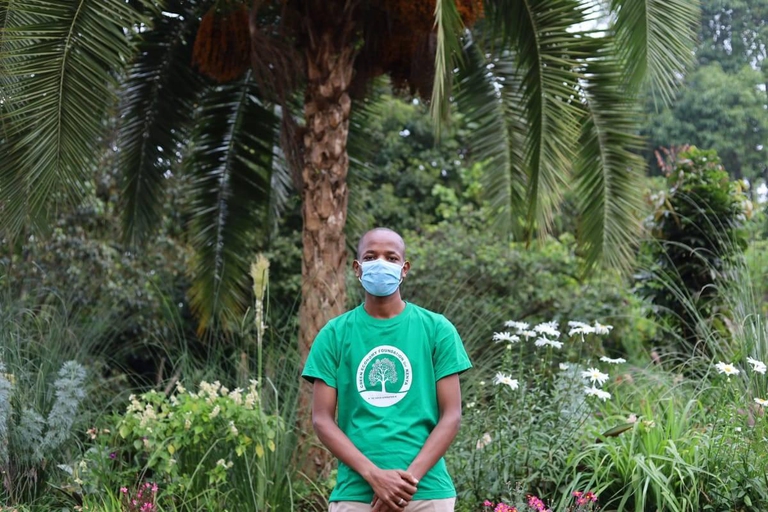
Since 2016, Benard Kioko Ndaka has been gaining recognition throughout Africa as a climate activist, taking part in the FridaysforFuture movement and countering the impacts of climate change. His protest placard bears the simple, handwritten message: “No planet ‘B’ – We need Action Now”.
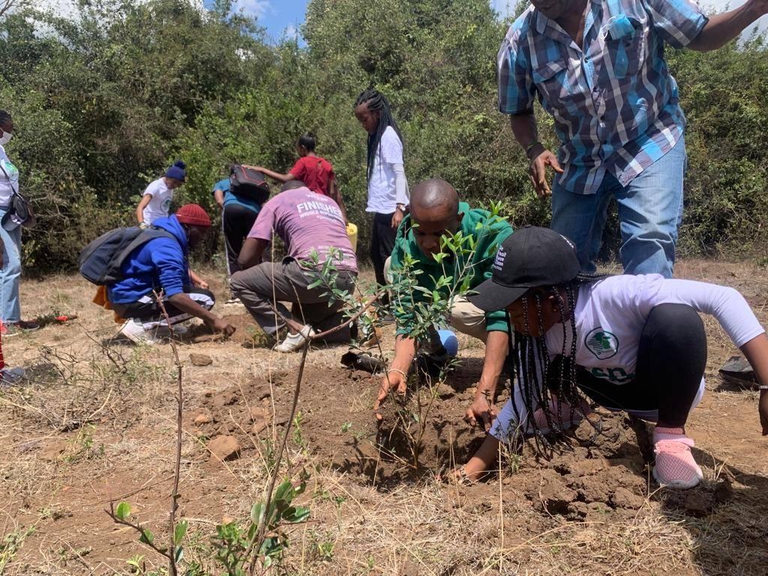
Inspired by Swedish climate activist Greta Thunberg and celebrated Kenyan social, environmental, and political activist Wangarĩ Maathai, Ndaka has planted over 6,000 trees across Nairobi County, Kenya. Thanks to social media, his actions have started to spread and influence young people across Africa.
Ndaka was born on October 18, 1993, in the outskirts of Muumandu, which is located 87 kilometres from Kenya’s capital, Nairobi. He began his climate activism at age 19. “I observed that the impact of deforestation across our country was getting out of hand. The sad part is that many people don’t know the consequences of cutting down trees, so I decided to take action by planting trees and also teaching school children in my community to plant trees. In addition, I have also launched my own non-profit organisation called Global Green Economy – Kenya,” Ndaka explained.
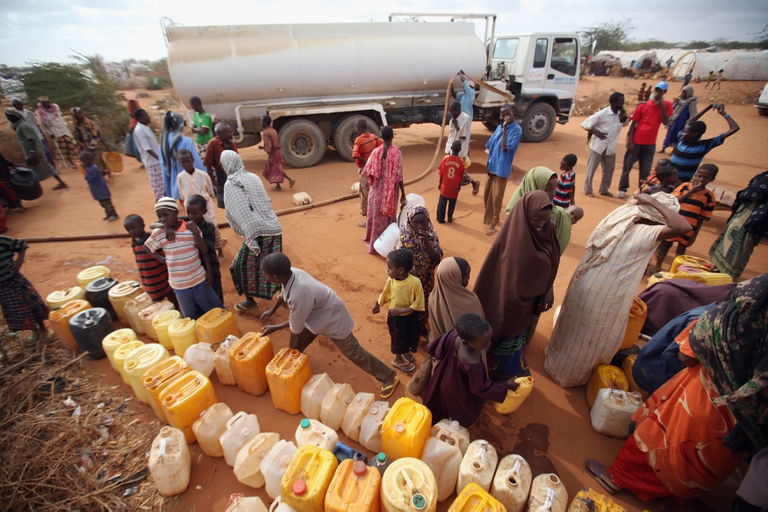
“My mission is to plant more than one million trees in my home country, Kenya”, he added. “I am committed to countering the impact of the climate crisis, especially in the arid northern counties of Garissa and Wajir. People in these regions are dying of hunger, while thousands of others are on the brink of starvation. All this has to do with climate changes.”
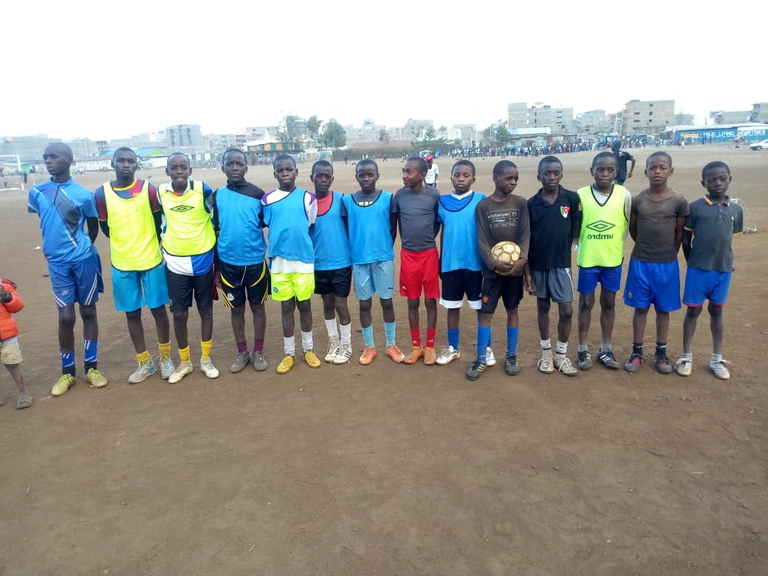
Climate change is unquestionably here. As its impact intensifies over time, it’s the children and young people of today who will face its most devastating effects. Ndaka’s foundation uses sports to educate children on the importance of taking climate action seriously. Through the Trees for Goals campaign, the foundation plants a tree for every goal scored. So far, they have planted over 6,000 trees throughout the country.
“We integrated football and environmental education because we needed to use what children and youth in my community love most to teach them about protecting our environment. I believe that it’s time to make a difference in the world,” said Ndaka.
Ndaka has called on African governments to work with a number of regional and global institutions to strengthen their response to climate change and start cutting their carbon emissions. “Reducing our global carbon footprint can help us live a healthier lifestyle, as well as save money. Whether it’s cleaner air, a healthier diet, or reduced energy bills, the benefits of reducing our carbon footprint also mean we’re doing our bit to combat climate change,” said Ndaka.
He has also lambasted African leaders’ misconceptions about climate change. “They don’t consider climate change as one of the major crises. Despite experiencing severe droughts, floods and unpredictable weather patterns, fewer resources are channelled towards combating climate change,” said Ndaka.
At a recent meeting of Kenya’s Catholic bishops at Donum Dei Sisters Centre in Karen Town, Nairobi, the religious leaders appealed to the country’s Catholic faithful to donate food to regions affected by severe drought. In a detailed Pastoral Letter, the Bishops said that the current drought situation affecting nearly all counties in the arid and semi-arid regions of the country is a matter of great concern.
“It calls for urgent and decisive action from all of us. As your shepherds, we appeal to all the faithful within the parishes and all people of goodwill to express solidarity with our affected brothers and sisters by donating food and giving other forms of assistance, for example, facilitating transportation. Through our dioceses, ways and means should be found to make sure that such donations reach those affected by drought. No Kenyan should die of famine,” they stressed.
The bishops have blamed the Kenyan government for what they described as a very slow response to the drought situation. They have appealed to the Kenyan Government to respond in a swift and coordinated manner and come to the aid of affected populations to lessen suffering and avert a humanitarian crisis.
The COP26 summit, which took place in Glasgow in November 2021, brought together the world’s leaders to try to accelerate action towards the goals of the Paris Agreement and the UN Framework Convention on Climate Change. At the conference, many highlighted the critical and interdependent roles of forests, biodiversity, and sustainable land use in enabling the world to meet its sustainable development goals and to help achieve carbon neutrality, adapt to climate change, and maintain other ecosystem services.
It is imperative for countries across the world to work together in assisting countries affected by climate change. We must protect and restore ecosystems that are on the brink of collapse, ensuring that the livelihoods they support can be maintained.
Siamo anche su WhatsApp. Segui il canale ufficiale LifeGate per restare aggiornata, aggiornato sulle ultime notizie e sulle nostre attività.

Quest'opera è distribuita con Licenza Creative Commons Attribuzione - Non commerciale - Non opere derivate 4.0 Internazionale.
A report by the NGO network Climate Action Network proposes a series of concrete changes to revitalise the UN Climate Change Conferences.
Pescasseroli, in the heart of Italy’s Apennines, will host the IBA conference on bear conservation and human–bear coexistence. LifeGate will be the event’s media partner.
The inflation caused by extreme weather events is known as “climateflation”: prices for many food products are expected to rise sharply.
The toll is still provisional, but data collected across several European countries indicate that tens of thousands of people have died as a result of extreme heat.
Last February, Malaysia imposed a total ban on electronic waste imports. Yet toxic e-waste continues to arrive from the United States and other countries through illegal trafficking networks.
Although Earth Overshoot Day falls six days later than in 2025, this does not represent an improvement. The shift is the result of revised estimates of the oceans’ carbon absorption capacity, while humanity’s actual ecological footprint continues to grow.
Gigantic wildfires in France’s Gironde region and near Madrid, Spain, have devastated tens of thousands of hectares of vegetation.
Greece has launched a wildfire management system based on nanosatellites and artificial intelligence. A model that other countries are now looking to replicate.
According to analysts, the emergence of a “super” El Niño could trigger a global food price shock, adding to inflationary pressures already fuelled by the conflict with Iran.


