




A report by the NGO network Climate Action Network proposes a series of concrete changes to revitalise the UN Climate Change Conferences.
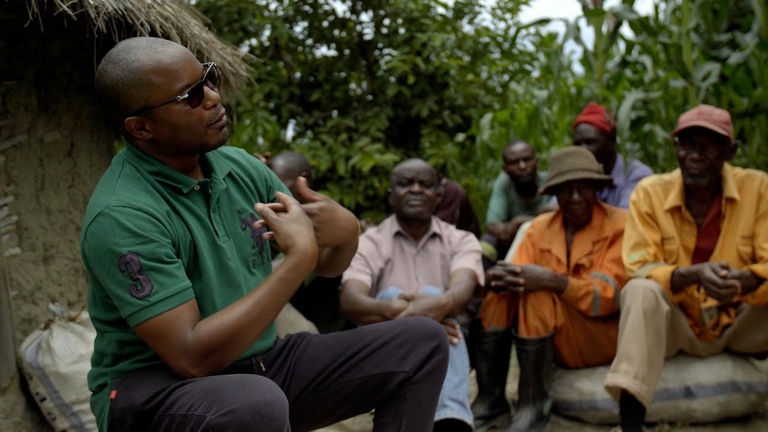
Chilekwa Mumba is a Zambian is an environmental activist and community organizer. He is known for having organized a successful lawsuit against UK-based mining companies.
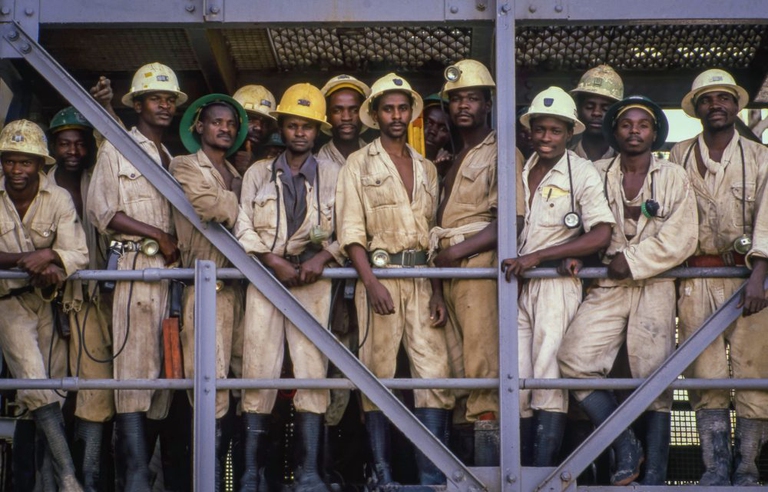
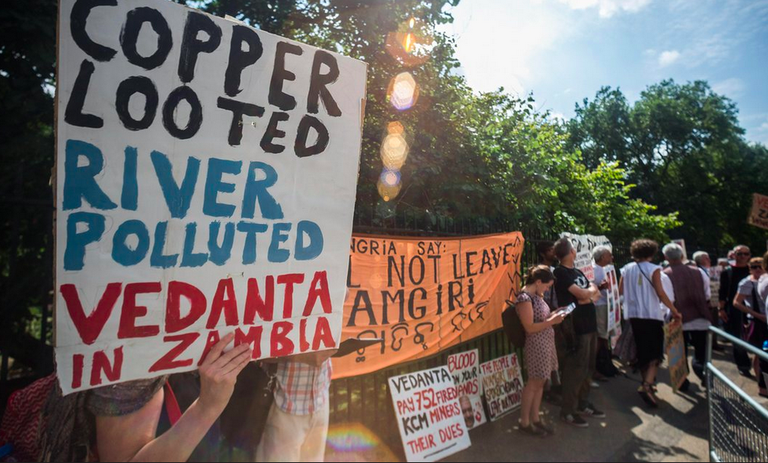
Nestled in the mineral-rich heart of southern Africa, Zambia’s Copperbelt Province has long been celebrated as a treasure trove of copper and cobalt; vital elements in the world’s transition to a green economy. Conversely, the arrival of U.K. based Vedanta Resources in 2004 catalyzed a distressing transformation at the Konkola Copper Mines (KCM); turning the once-pristine Kafue River into a toxic wasteland. This marked the beginning of a chain of ecological and health crises that would echo globally.
In 2013, Chingola, Zambia, faced an environmental crisis that deeply alarmed Chilekwa Mumba, a revered community organizer and environmental advocate. The pollution and degradation caused by Kcm reverberated as a distressing echo throughout the town, with the Kafue River transforming from a symbol of purity to a victim of contamination. Foul stenches, fish mortality, and widespread health issues prompted Mumba to take action; fueled by a profound connection to Chingola and its mining history.
For nearly a century, the Konkola Copper Mine stood as a cornerstone of Chingola’s heritage. But critics argue that environmental issues escalated after Vedanta Resources assumed control in 2004, leading to excessive discharge of copper, iron, cobalt, and sulfates in local waterways. This surpassed legal thresholds, causing untold health problems among local inhabitants and turning the Kafue River into an environmental disaster. In 2006, impoverished Chingola residents took legal action against Konkola in a Zambian court, but despite their efforts, the case ultimately ended in an unfortunate loss.
Chilekwa Mumba’s discovery of this painful history in 2013 compelled him to hold Vedanta Resources accountable. Mumba’s journey began with outreach to Non-governmental organisation and law firms worldwide; seeking attention for the contamination.
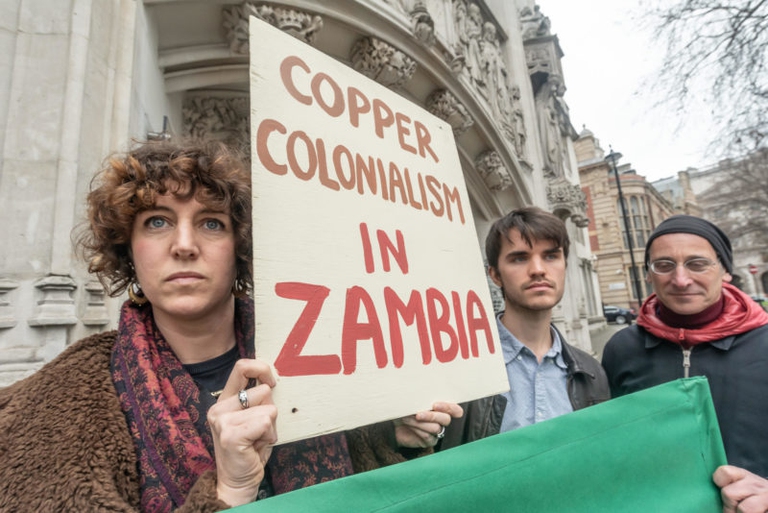
In 2023, Mumba’s unwavering dedication earned him the prestigious Goldman Environmental Prize. His success not only brought relief to his community but also shone a beacon of hope for environmental activists worldwide. Additionally, Mumba’s fight against Vedanta Resources set a legal precedent, inspiring international initiatives to hold corporations accountable for their environmental impact, regardless of their headquarters’ location.
Meanwhile, the ramifications of this legal milestone extended far beyond Chingola. In 2021, a British court permitted a lawsuit by 42,500 Nigerian residents to proceed in the UK against Shell Global for contamination caused by oil spills in the Niger Delta, using the precedent set by this case.
However, Mumba’s heroic battle for environmental justice is a testament to the power of one individual’s unwavering dedication to a cause. His relentless efforts to hold Vedanta Resources accountable for environmental damage have not only provided relief to his community but have also inspired a global movement. Mumba’s fight has set a vital legal precedent that paves the way for corporations to be held accountable for their environmental impact, offering hope and justice to communities worldwide. Explore the transformative journey from a polluted riverbank in Zambia to a landmark victory in the UK, and witness the enduring impact of Mumba’s environmental activism on a global scale.
Siamo anche su WhatsApp. Segui il canale ufficiale LifeGate per restare aggiornata, aggiornato sulle ultime notizie e sulle nostre attività.

Quest'opera è distribuita con Licenza Creative Commons Attribuzione - Non commerciale - Non opere derivate 4.0 Internazionale.
A report by the NGO network Climate Action Network proposes a series of concrete changes to revitalise the UN Climate Change Conferences.
Pescasseroli, in the heart of Italy’s Apennines, will host the IBA conference on bear conservation and human–bear coexistence. LifeGate will be the event’s media partner.
The inflation caused by extreme weather events is known as “climateflation”: prices for many food products are expected to rise sharply.
The toll is still provisional, but data collected across several European countries indicate that tens of thousands of people have died as a result of extreme heat.
Last February, Malaysia imposed a total ban on electronic waste imports. Yet toxic e-waste continues to arrive from the United States and other countries through illegal trafficking networks.
Although Earth Overshoot Day falls six days later than in 2025, this does not represent an improvement. The shift is the result of revised estimates of the oceans’ carbon absorption capacity, while humanity’s actual ecological footprint continues to grow.
Gigantic wildfires in France’s Gironde region and near Madrid, Spain, have devastated tens of thousands of hectares of vegetation.
Greece has launched a wildfire management system based on nanosatellites and artificial intelligence. A model that other countries are now looking to replicate.
According to analysts, the emergence of a “super” El Niño could trigger a global food price shock, adding to inflationary pressures already fuelled by the conflict with Iran.


