Setting the air conditioning does not always satisfy everyone. Choosing the ideal temperature often becomes controversial because people have different individual needs. As difficult as it is to define a universal rule, there is a clear gender difference that separates women and men.
To understand why, we need to go back to the 1960s, when Danish engineer Povl Ole Fanger developed the thermal comfort model still widely used to regulate indoor climates. Among the factors he considered—alongside air speed, humidity, air temperature and mean radiant temperature—were metabolic rate and the thermal insulation provided by clothing. The metabolic rate was calibrated using the values of an average man, while clothing insulation was based on the typical office attire of the time: a man wearing a jacket, shirt and tie.The issue is that most air-conditioned spaces still set their thermostats according to this standard.
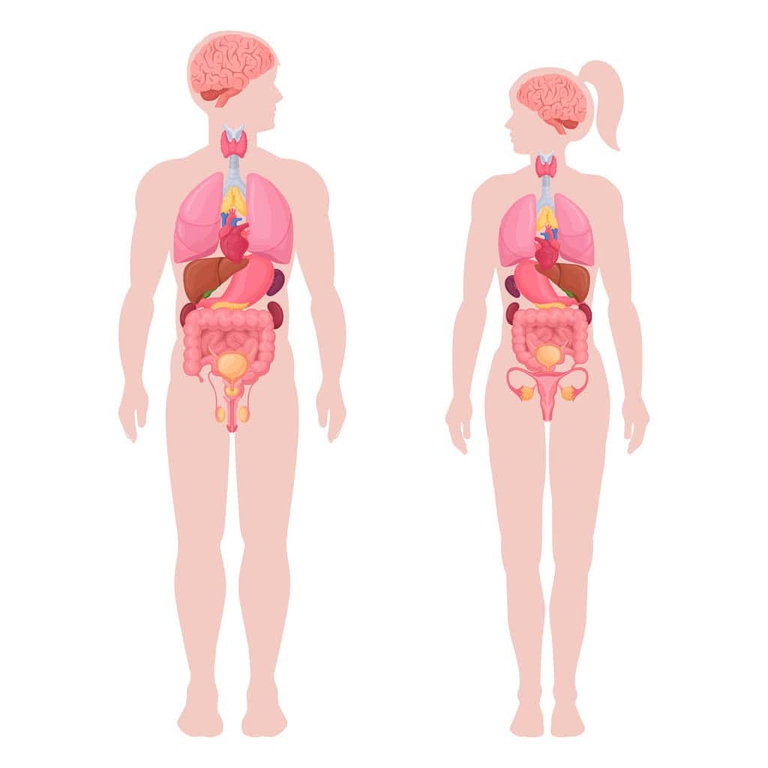
A study published in Nature Climate Change found that the average metabolic rate measured in women is around 20 to 32 per cent lower than the value used to determine how much offices should be cooled in summer—a value originally calibrated using men. The difference lies in body composition. Men generally have more muscle mass, which generates heat, while women tend to have a higher percentage of body fat, which insulates internal organs but reduces heat transfer to the skin. The female body therefore regulates temperature differently. It retains heat more efficiently but, having less muscle mass, activates vasoconstriction earlier than men, reducing blood flow to the hands and feet in order to protect internal organs. At the same time, women’s thermal response is influenced by many additional factors, including menstruation, pregnancy and menopause.
Air conditioning indoor environments—such as offices, schools and shops—are often less comfortable for women because they increase the risk of overcooling. Overcooling refers to a situation in which excessive cooling lowers indoor temperatures below recommended comfort levels. Beyond discomfort, excessive cooling also creates practical problems. For example, surfaces cooled below the dew point encourage condensation, which in turn promotes the growth of mould. Raising thermostat settings by just a few degrees would not only improve equity, but would also provide a more comfortable temperature for many men who also find excessively cold environments unpleasant. There is also the issue of energy consumption. Demand for cooling has increased by around 4 per cent per year on average since 2000, twice the growth rate of energy used for water heating. Today, air conditioners and electric fans account for around one-fifth of all electricity consumed in buildings worldwide, equivalent to 10 per cent of total global electricity consumption.
A Japanese study found that babies fed breast milk during their first six months of life had better sleep quality, while a Norwegian study found an association between breastfeeding and a lower risk of ADHD symptoms in childhood.
The measure is part of the new EU Ecodesign Regulation, which came into force on 19 July and requires greater transparency and better inventory management from companies.
Copenhagen ranks first in the 2026 Global Liveability Index, followed by Vienna and Melbourne. Among the cities recording the greatest improvement in quality of life is New York.
An observational study involving more than 10,000 older adults linked preparing meals at home with a lower risk of dementia, especially among those with limited cooking skills.