


The climate impact of the U.S. Gulf of Mexico’s oil and gas production could be higher than government inventories indicate.
Immunologist Attilio Speciani explained his views on the new US food pyramid, offering an analysis of the guidelines and the influence of lobbying.
The United States has flipped the food pyramid with a graphic image that breaks with tradition and launches the 2025–2030 Dietary Guidelines, reshaping decades of federal nutrition policy. Americans are encouraged to “eat real food” and to “restore nutrition—not pharmaceuticals—as the foundation of health.”
Visualizza questo post su Instagram
According to data released by the Department of Health, the United States is facing a national health emergency. Nearly 90 per cent of healthcare spending goes toward treating chronic diseases, largely linked to diet and lifestyle. More than 70 per cent of American adults are overweight or obese, and almost one in three adolescents has prediabetes.
“These guidelines bring us back to basics,” said Health Secretary Robert F. Kennedy Jr. “American families need to prioritise whole, nutrient-dense foods—proteins, dairy, vegetables, fruit, healthy fats and whole grains—and drastically reduce ultra-processed foods. That’s how we make America healthy again.”
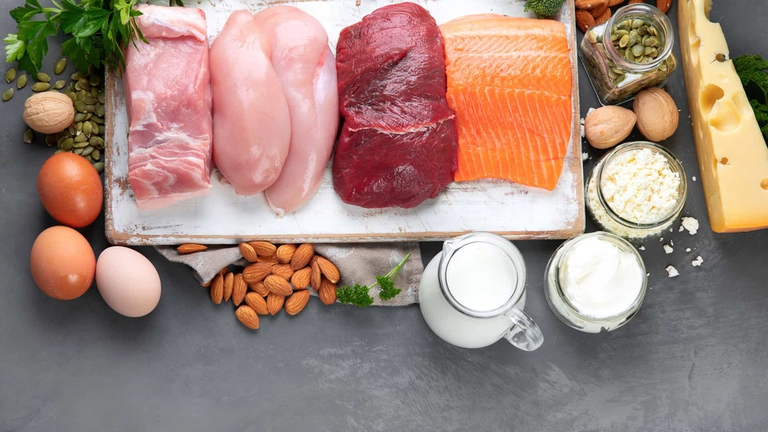
From red and white meat to legumes, from dairy products to eggs, from fish to nuts, the main revolution of the new pyramid is the priority given to protein over carbohydrates, at every meal, for a total intake of 1.2–1.6 grams of protein per kilogram of body weight. This is the most controversial aspect of the guidelines, both in and outside the US, with the government accused of favouring the meat and dairy lobbies at the expense of human and environmental health.
“If there is one premise to make about these new dietary guidelines, it is that food pyramids have always historically been the result of a political choice,” commented Attilio Speciani, immunologist and lecturer in the Nutrition Master’s programme at the University of Pavia. “That means we need to look critically at both yesterday’s models and today’s.”
“The only objectively correct dietary model, based on scientific evidence and positive health outcomes, is the one developed in 2011 by Harvard Medical School,” Speciani continued. “It is expressed in the Healthy Eating Plate, made up of one quarter carbohydrates, one quarter protein, and half fruit and vegetables. Unlike the food pyramid, it focuses on the single meal rather than the week, ensuring balanced meals. This helps reduce inflammation and improves insulin resistance, both of which are linked to cardiovascular disease and cancer.”
In the US food pyramid, Speciani sees positive elements in the encouragement to consume whole grains, slow-absorbing complex carbohydrates that reduce the risk of blood sugar spikes, and in the attempt to rebalance excessive carbohydrate intake with a higher protein share. He also welcomes the recommendation to consume five portions of fruit and vegetables per day, as well as the rehabilitation of saturated and unsaturated fats in the right amounts and balance, in line with findings such as the 2017 Pure study published in The Lancet.
The new guidelines call for reducing ultra-processed foods, added sugars and artificial additives, especially in the diets of children and adolescents. “This is a positive aspect,” Speciani notes, “but in practice, the United States currently lacks taxation or other disincentives for these products.” The guidelines also encourage drinking water and unsweetened beverages, and limiting alcohol consumption.
No food is inherently an enemy, the immunologist concludes, if consumed in moderation and properly balanced. However, the guidelines remain generic, and what truly matters is the personalisation of diet, based on individual and family history, genetics, health status and lifestyle.
Siamo anche su WhatsApp. Segui il canale ufficiale LifeGate per restare aggiornata, aggiornato sulle ultime notizie e sulle nostre attività.

Quest'opera è distribuita con Licenza Creative Commons Attribuzione - Non commerciale - Non opere derivate 4.0 Internazionale.
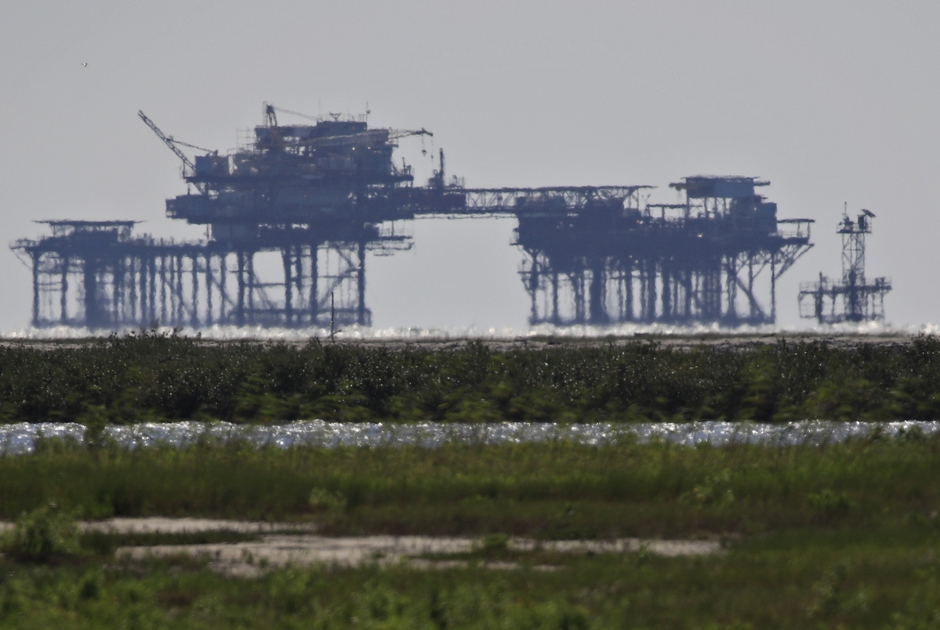
The climate impact of the U.S. Gulf of Mexico’s oil and gas production could be higher than government inventories indicate.
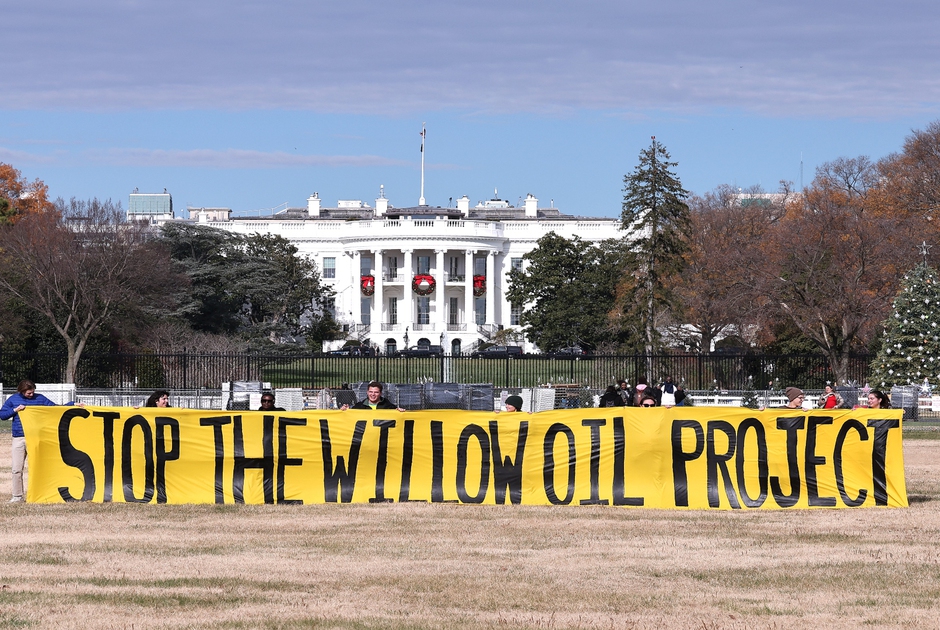
The US government has approved ConocoPhillips’s controversial Willow Project to drill for oil in Alaska’s National Petroleum Reserve.
The city of Los Angeles has banned the drilling of new fossil fuel wells, a decision that has been hailed as a victory for underprivileged communities.
At Beijing 2022 politics and superpower rivalry are dominating the headlines. Nowhere is this more evident than in the treatment of Eileen Gu, the US-born Chinese freestyle skier that is taking the sport by storm.
The United States follow the European Union’s example in banning the chlorpyrifos pesticide, a hazardous chemical for the development of children.
Sharon Lavigne, one of the six winners of the 2021 Goldman Environmental Prize, is fighting to protect her community from plastics corporations.
The ban on drilling for oil has been welcomed by activists, but comes after a series of controversial decisions in Alaska and beyond.
The deforestation of the Brazilian Amazon is returning to the abysmal levels of the early 2000s. And it’s not just Bolsonaro’s fault.
Plastic pollution is airborne too. Microplastics are being carried across continents by the wind, as a recent study reveals.