




The inflation caused by extreme weather events is known as “climateflation”: prices for many food products are expected to rise sharply.
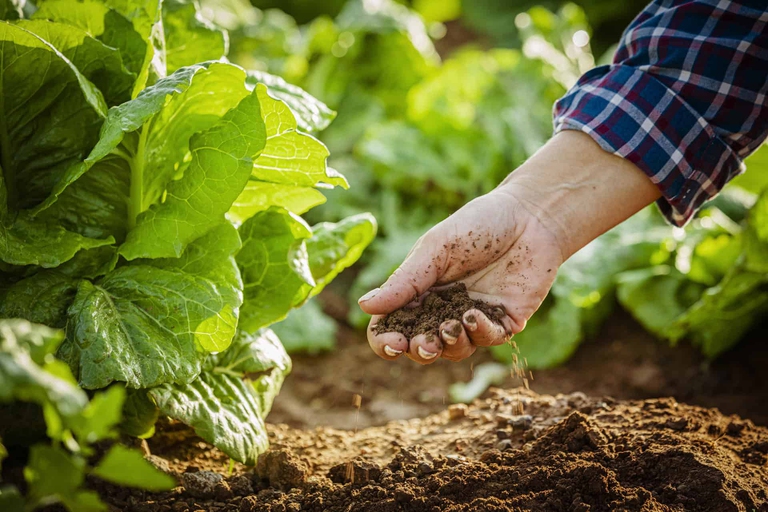
A study conducted in India found that replacing chemical fertilisers with organic ones allows vegetables to regain the nutrients lost over decades of intensive agriculture.
Vegetables are essential components of the diet as they are a source of vitamins, minerals, fibre, enzymes and antioxidants that are fundamental for health and well-being. In recent decades, however, intensive agricultural practices based on the use of nitrogen-based chemical fertilisers have reduced soil fertility and biodiversity, consequently lowering the nutritional, nutraceutical and organoleptic quality (taste) of many vegetables.
According to a study conducted in India and published in Academy of Nutrition and Dietetics, many commercial high-yield vegetable varieties have experienced a 25–50 per cent decline in their original nutritional density of essential minerals such as sodium (-52 per cent), iron (-50 per cent), copper (-49 per cent) and magnesium (-10 per cent). At the same time, there has been a significant increase in pesticide residue levels.
Starting from the awareness of the need to restore the properties of vegetables in order to address global food security and the micronutrient deficiencies affecting two billion people worldwide, researchers conducted field experiments between 2019 and 2024. They tested six different treatments on crops such as potatoes, cabbage, onions and peas, radishes, green beans and cowpeas. The treatments ranged from the exclusive use of chemical fertilisers to combinations with organic sources (manure, vermicompost) integrated with naturally occurring plant growth-promoting microorganisms (PGPM), up to the exclusive use of natural substances.
The results showed that the complete replacement of chemical fertilisers with organic sources in the presence of PGPM significantly improves the physico-chemical properties of the soil and nutrient availability, thereby increasing the nutritional, nutraceutical and organoleptic quality of horticultural crops — in other words, their health benefits and taste. Among the most significant improvements were increases in levels of calcium (+23.84 per cent), phosphorus (+3.63 per cent), iron (+31.70 per cent), zinc (+48.48 per cent), magnesium (+15.06 per cent), nitrogen (+7.76 per cent) and potassium (+11.09 per cent) compared to 100 per cent chemical fertilisation, along with higher antioxidant content.
Treatment with organic sources had a beneficial effect in restoring soil microbial populations, increasing organic carbon content and improving the availability of mineral nutrients in the root zone. Careful soil management through sustainable agricultural practices is not only environmentally conscious, but also attentive to nutrition — making a fundamental contribution to global food security and health.
Siamo anche su WhatsApp. Segui il canale ufficiale LifeGate per restare aggiornata, aggiornato sulle ultime notizie e sulle nostre attività.

Quest'opera è distribuita con Licenza Creative Commons Attribuzione - Non commerciale - Non opere derivate 4.0 Internazionale.
The inflation caused by extreme weather events is known as “climateflation”: prices for many food products are expected to rise sharply.
New scientific evidence suggests a link between calorie-free artificial sweeteners and impaired blood sugar regulation.
According to analysts, the emergence of a “super” El Niño could trigger a global food price shock, adding to inflationary pressures already fuelled by the conflict with Iran.
Ecuador’s shrimp exports continue to grow, but the country’s mangrove ecosystems are paying the highest price.
Coffee supports liver health and improves mood through its effects on the gut microbiota.
By calling for the introduction of mirror measures, Slow Food highlights the need for imported foods such as corn and wheat to comply with the same standards required of products grown within the European Union.
An observational study involving more than 10,000 older adults linked preparing meals at home with a lower risk of dementia, especially among those with limited cooking skills.
An innovative Spanish study has found a link between the pesticide picloram and the onset of colorectal cancer among people under 50.
A test by Altroconsumo found that plant-based burgers often contain high levels of additives and salt, making them ultra-processed foods.


