



The inflation caused by extreme weather events is known as “climateflation”: prices for many food products are expected to rise sharply.
Italy’s Health Ministry has temporarily authorised the use of Dormex in kiwi plantations in southern Italy. The substance has been banned in the country since 2008 due to its toxicity
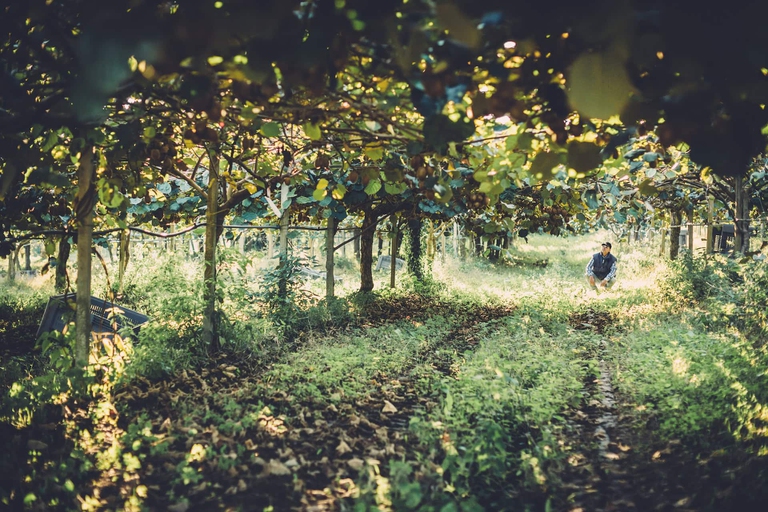
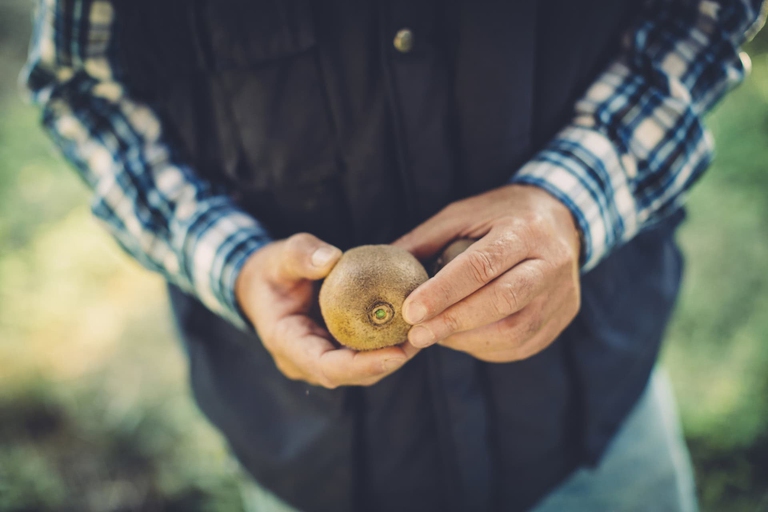
The use of a chemical product previously banned has been temporarily authorised for kiwi cultivation. The product is Dormex, and the authorisation was granted by Italy’s Ministry of Health as a temporary measure for February and March in five regions of central and southern Italy: Lazio, Campania, Basilicata, Calabria and Puglia.
Dormex is a plant growth stimulator that helps plants resume vegetative activity after the winter season. In practice, it regulates the awakening of plants when this process is disrupted by winters that are too mild. It induces bud opening, ensuring more uniform flowering and fruit ripening while making plants more resistant to pathogens.
Dormex was banned in Italy in 2008 and across the European Union in 2022 due to its high toxicity and harmful effects on the skin. It is also suspected of posing cancer risks and potential damage to fertility, the fetus and internal organs in the case of prolonged or repeated exposure among farmers. The substance is also considered dangerous for aquatic organisms.
Some investigations have shown that Dormex was still circulating on the black market. Last April, for example, the Financial Police and the Customs Agency seized 40 tonnes of the product at the port of Bari.
Italia Ortofrutta, an association representing 156 producer organisations, welcomed the temporary authorisation granted by the ministry. “The authorisation represents a concrete response to the needs expressed by kiwi producers and allows our farmers to rely on an essential tool to continue production during this delicate period marked by climate change.” The organisation said in a statement.
The Ministry of Health had previously issued a negative opinion on the return of Dormex, but the authorisation now appears to have been granted partly to maintain competitiveness. Greece, Italy’s main competitor in kiwi production, had already authorised the emergency use of Dormex. As reported in Il punto by Coldiretti, “the fact that Greece had already granted emergency use for this agricultural season would have exposed Italy to a competitive disadvantage in the marketing of kiwis, which represent a crop of significant economic importance for our country.”
Coldiretti now argues that it is necessary to identify an alternative active substance with similar effectiveness that could be introduced on the market in the short term.
For Slow Food Italy, however, the alternative should not be another chemical product but rather agroecology. “The new authorisation of Dormex represents a step backward in the agroecological transition that European agriculture needs,” said Francesco Sottile, professor at the University of Palermo and vice president of Slow Food Italy. “The difficulties faced by producers due to climate change and the agronomic challenges it brings cannot be ignored, but the answer cannot be a return to synthetic chemicals — especially molecules that raise concerns about risks to human health and the environment.”
Siamo anche su WhatsApp. Segui il canale ufficiale LifeGate per restare aggiornata, aggiornato sulle ultime notizie e sulle nostre attività.

Quest'opera è distribuita con Licenza Creative Commons Attribuzione - Non commerciale - Non opere derivate 4.0 Internazionale.
The inflation caused by extreme weather events is known as “climateflation”: prices for many food products are expected to rise sharply.
New scientific evidence suggests a link between calorie-free artificial sweeteners and impaired blood sugar regulation.
According to analysts, the emergence of a “super” El Niño could trigger a global food price shock, adding to inflationary pressures already fuelled by the conflict with Iran.
Ecuador’s shrimp exports continue to grow, but the country’s mangrove ecosystems are paying the highest price.
Coffee supports liver health and improves mood through its effects on the gut microbiota.
By calling for the introduction of mirror measures, Slow Food highlights the need for imported foods such as corn and wheat to comply with the same standards required of products grown within the European Union.
An observational study involving more than 10,000 older adults linked preparing meals at home with a lower risk of dementia, especially among those with limited cooking skills.
An innovative Spanish study has found a link between the pesticide picloram and the onset of colorectal cancer among people under 50.
A test by Altroconsumo found that plant-based burgers often contain high levels of additives and salt, making them ultra-processed foods.


