



The inflation caused by extreme weather events is known as “climateflation”: prices for many food products are expected to rise sharply.
A test by Altroconsumo found that plant-based burgers often contain high levels of additives and salt, making them ultra-processed foods.
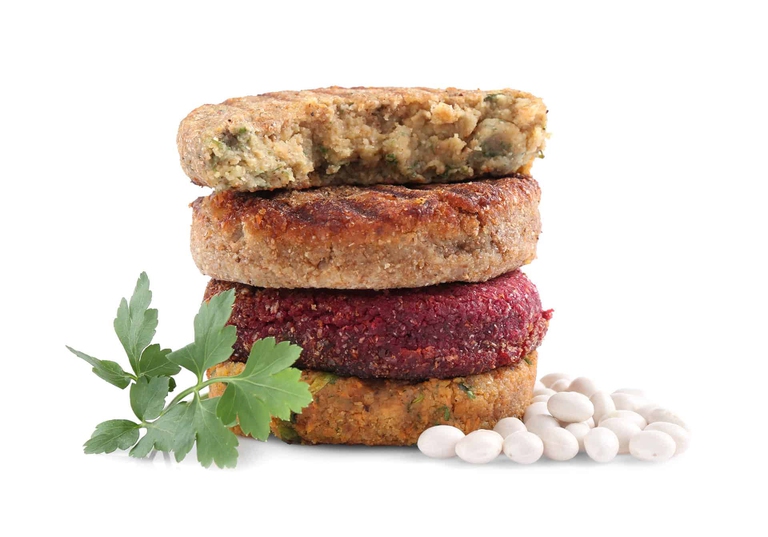
Plant-based burgers, usually made from legumes, are appreciated by vegetarians but also by those who want to vary their protein sources. They can be prepared at home or purchased as industrial products. When it comes to the latter, extra attention is needed in reading the label (ingredient list and nutrition table) to understand exactly what they contain.
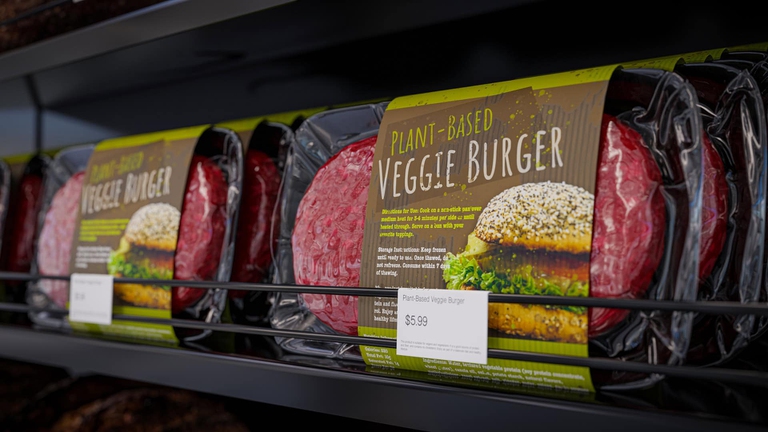
An Altroconsumo test showed that, among the 14 industrial burgers analysed, there is often a presence of additives and sometimes high amounts of salt. These products are mainly based on soy, peas or wheat, to which oils (rapeseed, sunflower, coconut), vegetables, fibres and starches are added to provide structure, along with additives such as stabilisers, acidity regulators, antioxidants, flavourings and colourings to mimic the texture of meat and improve shelf life, taste and cooking performance.
The average energy content of the burgers analysed is about 190 kcal per 100 grams, but it ranges from a minimum of 113 kcal to a maximum of 291 kcal. Fat content also varies widely, from 2.9 to 19 grams per 100 grams, and quality depends on the oil used: products using only sunflower oil stay below 1 gram of saturated fat, while those with coconut oil or fat can reach 6.5 grams of saturated fat per 100 grams. As for salt, the test ranges from 0.75 grams per 100 grams to 1.9 grams, more than double.
Industrial plant-based burgers have not proven to be equivalent to meat. According to the test, they are lacking in iron and vitamin B12 (only 2 out of the 14 burgers analysed contained added B12). In terms of protein, some of the tested products showed significantly lower levels compared to meat burgers.
In 2022, the World Health Organization explained in a report that following a plant-based diet does not automatically mean eating healthily, highlighting that many industrial plant-based products can in fact be ultra-processed foods.
The advice, therefore, is to choose vegan products with simple formulations and include them in a varied and balanced diet.
Siamo anche su WhatsApp. Segui il canale ufficiale LifeGate per restare aggiornata, aggiornato sulle ultime notizie e sulle nostre attività.

Quest'opera è distribuita con Licenza Creative Commons Attribuzione - Non commerciale - Non opere derivate 4.0 Internazionale.
The inflation caused by extreme weather events is known as “climateflation”: prices for many food products are expected to rise sharply.
New scientific evidence suggests a link between calorie-free artificial sweeteners and impaired blood sugar regulation.
According to analysts, the emergence of a “super” El Niño could trigger a global food price shock, adding to inflationary pressures already fuelled by the conflict with Iran.
Ecuador’s shrimp exports continue to grow, but the country’s mangrove ecosystems are paying the highest price.
Coffee supports liver health and improves mood through its effects on the gut microbiota.
By calling for the introduction of mirror measures, Slow Food highlights the need for imported foods such as corn and wheat to comply with the same standards required of products grown within the European Union.
An observational study involving more than 10,000 older adults linked preparing meals at home with a lower risk of dementia, especially among those with limited cooking skills.
An innovative Spanish study has found a link between the pesticide picloram and the onset of colorectal cancer among people under 50.
A study conducted in India found that replacing chemical fertilisers with organic ones allows vegetables to regain the nutrients lost over decades of intensive agriculture.


