



The inflation caused by extreme weather events is known as “climateflation”: prices for many food products are expected to rise sharply.
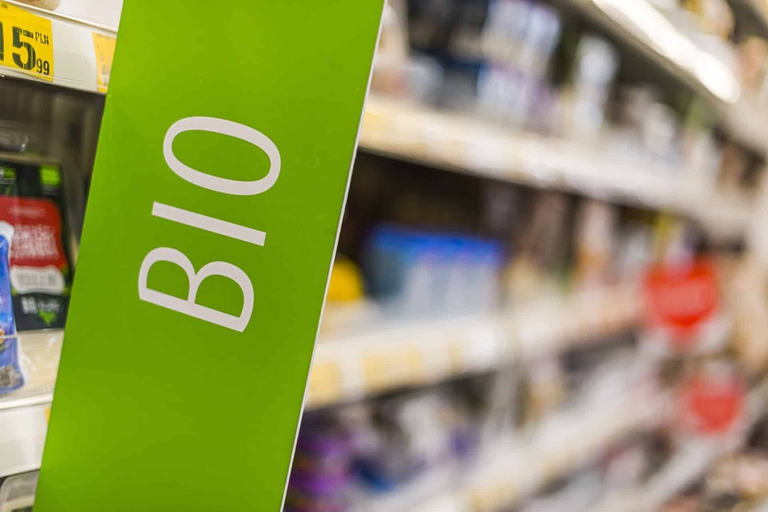
Europe’s organic market reached a record €59 billion in 2024. Italy leads in organic farmland share and number of producers, says FiBL report.
Organic consumption in Europe has reached a historic high, worth 59 billion euros. This is revealed in The World of Organic Agriculture 2026 report, referring to 2024, presented at the Biofach trade fair by the Research Institute of Organic Agriculture (FiBL) in collaboration with IFOAM, the worldwide federation of organic agriculture movements.
According to the analysis, organically farmed land in Europe remains stable at 19.6 million hectares. Of these, 18.1 million hectares are located within the European Union, where organic farming accounts for 11.1 per cent of total agricultural land, compared with 3.9 per cent across the entire continent.
As for the countries with the largest areas of organic farmland, Spain leads with nearly 2.9 million hectares, followed by France with 2.7 million hectares and Italy in third place with 2.5 million hectares. However, Italy ranks first in terms of the share of utilised agricultural area (UAA) under organic management — more than 20 per cent, almost double the European average. Italy also maintains the top position in terms of the number of organic producers, with more than 87,042 operators out of the 490,637 active across Europe.
In 2024, organic sales reached a record 58.7 billion euros, up 4.1 per cent. Germany confirmed its position as Europe’s largest organic market (17.0 billion euros), followed by France (12.2 billion euros) and Italy (5.2 billion euros). Switzerland recorded the highest per capita consumption in the world, at 481 euros per person.
Globally, organically farmed land in 2024 remained largely stable at 99 million hectares, while global retail sales of organic food and beverages reached 145 billion euros. The United States remains the largest market at 60.4 billion euros, followed by Germany (17 billion euros) and China (15.5 billion euros).
Visualizza questo post su Instagram
“European analyses provide a clear picture: citizens are increasingly orienting their food choices toward organic products,” said Maria Grazia Mammuccini, president of FederBio. “The significant data point is that, for the first time in 2024, the growth rate of consumption has exceeded the growth rate of organically farmed areas.”

According to Mammuccini, however, the increase in organic sales must go hand in hand with an increase in production. For this reason, Green Deal objectives must not be slowed down. European strategies supporting agroecological development, combined with substantial investment in research and innovation, are key to expanding the sector.
“The paradox is clear: while citizens are choosing sustainability, Brussels is slowing down. Instead, we must move forward decisively toward an agricultural and food system that is resilient and respectful of ecosystems.”
For FederBio, this is not only about the environment, climate and health, but also about the real economy, the future of farming businesses and future generations.
Siamo anche su WhatsApp. Segui il canale ufficiale LifeGate per restare aggiornata, aggiornato sulle ultime notizie e sulle nostre attività.

Quest'opera è distribuita con Licenza Creative Commons Attribuzione - Non commerciale - Non opere derivate 4.0 Internazionale.
The inflation caused by extreme weather events is known as “climateflation”: prices for many food products are expected to rise sharply.
New scientific evidence suggests a link between calorie-free artificial sweeteners and impaired blood sugar regulation.
According to analysts, the emergence of a “super” El Niño could trigger a global food price shock, adding to inflationary pressures already fuelled by the conflict with Iran.
Ecuador’s shrimp exports continue to grow, but the country’s mangrove ecosystems are paying the highest price.
Coffee supports liver health and improves mood through its effects on the gut microbiota.
By calling for the introduction of mirror measures, Slow Food highlights the need for imported foods such as corn and wheat to comply with the same standards required of products grown within the European Union.
An observational study involving more than 10,000 older adults linked preparing meals at home with a lower risk of dementia, especially among those with limited cooking skills.
An innovative Spanish study has found a link between the pesticide picloram and the onset of colorectal cancer among people under 50.
A test by Altroconsumo found that plant-based burgers often contain high levels of additives and salt, making them ultra-processed foods.


