




The inflation caused by extreme weather events is known as “climateflation”: prices for many food products are expected to rise sharply.
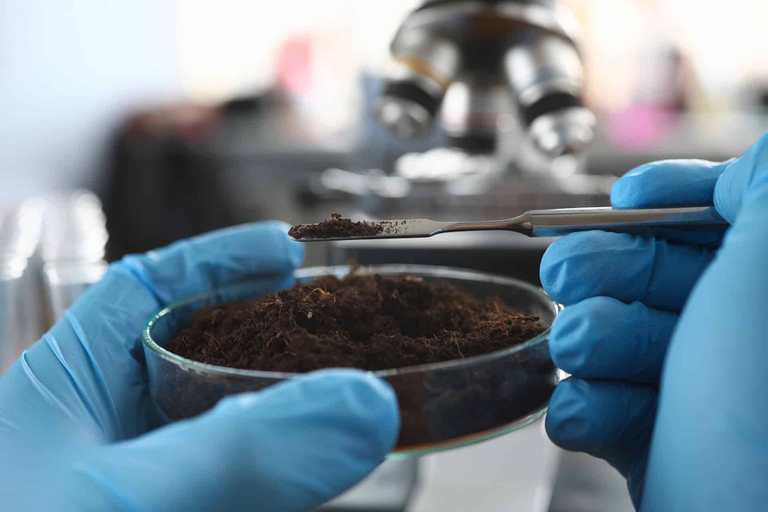
In Australia, researchers are investigating how microbes—including those found in soil—may influence emotional states and social relationships through the gut–brain axis.
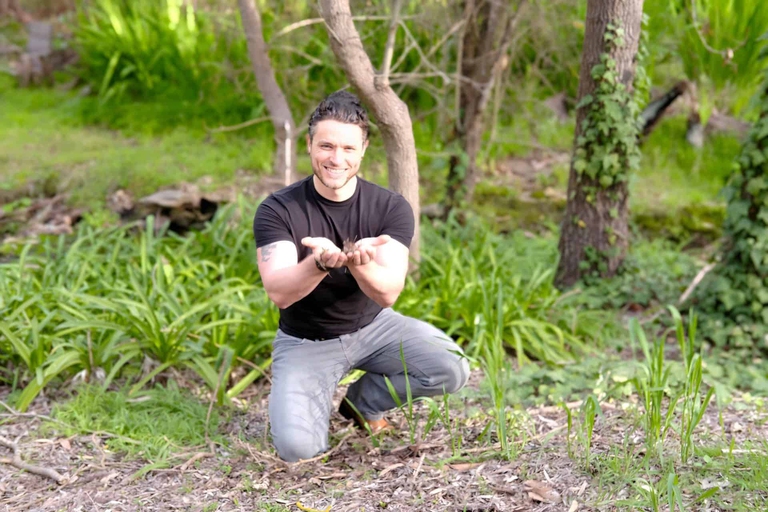
Microbes found in soil and surrounding environments may influence the human microbiota and the gut–brain axis, potentially shaping emotional states and relational dynamics. This is the hypothesis being explored by researchers in biological sciences at Flinders University in Adelaide, Australia.
A review article published in a journal of the American Society for Microbiology synthesises evidence suggesting that microbes can modulate key hormones and neurotransmitters, including dopamine, serotonin, and oxytocin. As a result, the human gut microbiome may influence hormonal pathways involved in emotions related not only to love, but also to hate and aggression.
“We are not claiming that microbes cause love,” said Jake Robinson, who leads the research. “Our aim is to map plausible biological pathways, grounded in microbiology and endocrinology, that researchers can now test through rigorous human studies.” If these pathways are confirmed, the findings could open up new microbiome-based strategies to support mental health and relational well-being.
At present, further research is needed to clarify the extent to which microbiomes contribute to the neurobiology of emotions, and whether manipulating microbial communities could modulate emotional and social behaviours.
As part of their research, scientists are also mapping the complex network of interactions between biological, environmental, and social systems, focusing on the potential role of soil—with which humans come into contact through the air we breathe, the food we eat, and the plants that surround us.
“In addition to emitting important chemical and microbial signals, healthy soils support vegetation that improves air quality, reduces noise, and moderates temperature, creating immersive environments that influence our nervous, endocrine, and immune systems,” explained Martin Breed, one of the study’s authors. By contrast, soil degradation can increase harmful airborne particulates and reduce the richness of the aerobiome, potentially leading to downstream effects on inflammation and mental well-being.
Siamo anche su WhatsApp. Segui il canale ufficiale LifeGate per restare aggiornata, aggiornato sulle ultime notizie e sulle nostre attività.

Quest'opera è distribuita con Licenza Creative Commons Attribuzione - Non commerciale - Non opere derivate 4.0 Internazionale.
The inflation caused by extreme weather events is known as “climateflation”: prices for many food products are expected to rise sharply.
New scientific evidence suggests a link between calorie-free artificial sweeteners and impaired blood sugar regulation.
According to analysts, the emergence of a “super” El Niño could trigger a global food price shock, adding to inflationary pressures already fuelled by the conflict with Iran.
Ecuador’s shrimp exports continue to grow, but the country’s mangrove ecosystems are paying the highest price.
Coffee supports liver health and improves mood through its effects on the gut microbiota.
By calling for the introduction of mirror measures, Slow Food highlights the need for imported foods such as corn and wheat to comply with the same standards required of products grown within the European Union.
An observational study involving more than 10,000 older adults linked preparing meals at home with a lower risk of dementia, especially among those with limited cooking skills.
An innovative Spanish study has found a link between the pesticide picloram and the onset of colorectal cancer among people under 50.
A test by Altroconsumo found that plant-based burgers often contain high levels of additives and salt, making them ultra-processed foods.


