



An observational study involving more than 10,000 older adults linked preparing meals at home with a lower risk of dementia, especially among those with limited cooking skills.
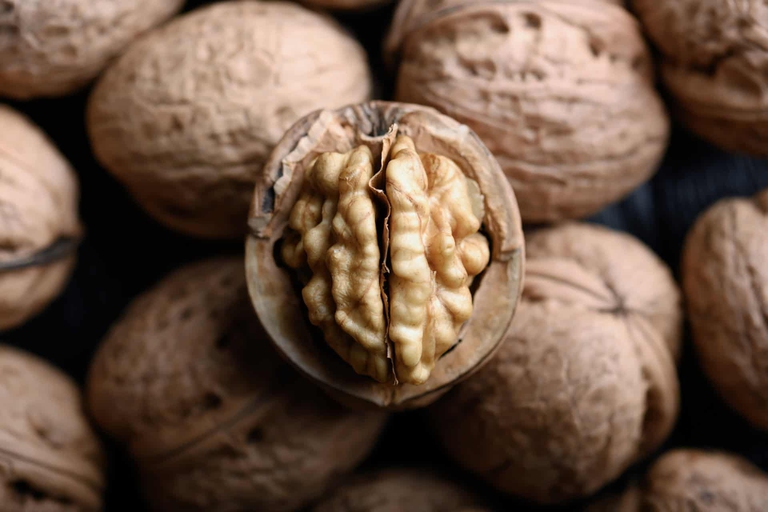
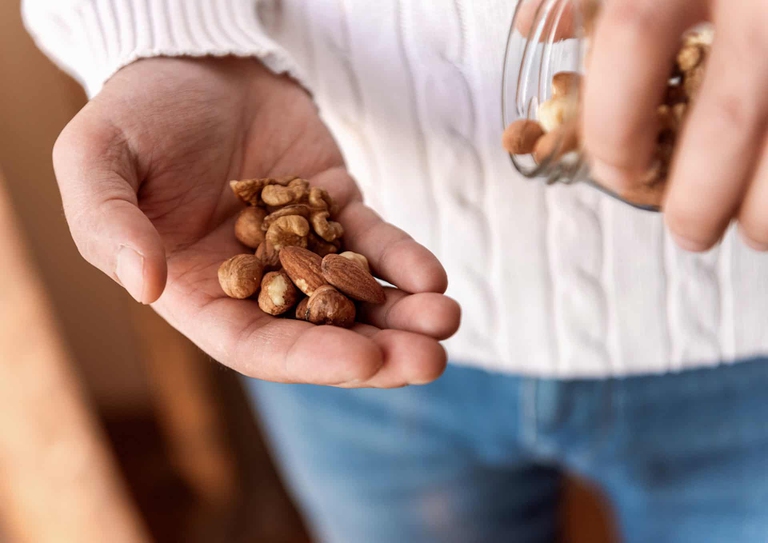
Oilseeds such as walnuts, hazelnuts, and almonds have been linked in an Australian study to benefits for longevity, memory, and joint mobility.
Walnuts, almonds, and hazelnuts support longevity, memory, and joint mobility. The link between the consumption of oilseeds and these health benefits was also observed in an Australian study involving nearly 10,000 women and men aged 70 and over, published in the journal Age and Ageing. According to the findings, daily nut consumption is associated with the promotion of healthy longevity and a life free from disability.
“This is an interesting study because it considered three aspects, based on self-assessments by participants,” commented Attilio Speciani, immunologist and lecturer in the Master’s programme in Nutrition at the University of Pavia, who discussed the research in an article published on Eurosalus. “Longevity alone is not enough to guarantee quality of life: it must be accompanied by the preservation of good memory and a certain level of functional independence. The study observed that seed consumption increased by 30 per cent the likelihood of maintaining all three goals, even among participants who did not follow an optimal diet”.
The immunologist explains that oilseeds—provided they are raw, unsalted, and not roasted—act as natural supplements that can help halt cognitive decline and disability. “This likely happens because seed consumption increases protein intake, which helps reduce excess glycation, a condition that is almost always present in neurodegenerative diseases”.
In particular, excessive sugar consumption has been shown to lead to the production of Tau 181 protein, which is linked to the accumulation of amyloid plaques in the brain, responsible for Alzheimer’s disease. A balanced diet helps counter this process, and oilseeds can play an important role, including in the control of inflammation.
According to the Harvard Healthy Eating Plate, each meal should be divided into three parts: half fruit and vegetables, one quarter carbohydrates, and one quarter protein, with the addition of healthy fats. “The average Italian has a low protein intake,” Speciani continues. “According to guidelines, people should consume 0.83 grams of protein per kilogram of body weight up to the age of 60; after that, intake should rise to 1.2 grams per kilogram. A handful of oilseeds as a snack helps meet these requirements”.
Not only that: a proper balance between protein and carbohydrates helps prevent blood sugar spikes, which scientific research has shown to increase the risk of all-cause mortality.
Siamo anche su WhatsApp. Segui il canale ufficiale LifeGate per restare aggiornata, aggiornato sulle ultime notizie e sulle nostre attività.

Quest'opera è distribuita con Licenza Creative Commons Attribuzione - Non commerciale - Non opere derivate 4.0 Internazionale.
An observational study involving more than 10,000 older adults linked preparing meals at home with a lower risk of dementia, especially among those with limited cooking skills.
More than 1.500 people died of cholera over the past one year, and the government is struggling to contain its spread
The “Bracing for Superbugs” report warns us that climate change and pollution are contributing to the rise of bacteria that are resistant to antibiotics.
A woman from West Bengal in India worked through the pandemic to distribute biodegradable sanitary pads among tea garden workers, despite the lockdown.
We talked to World Happiness Summit organiser Karen Guggenheim about the connection between the planet’s health and our happiness.
The second wave of the Covid-19 pandemic has shone a painful spotlight on the dire conditions of tea garden workers struggling against poverty in India.
The pandemic threatens some of the world’s most endangered indigenous peoples, such as the Great Andamanese of the Andaman and Nicobar Islands in India.
The 31st of May was the 100th day since Italy’s first coronavirus case. Some of the most important moments that have left their mark on the country.
Traditional orchards are ancient though often neglected sources of food, culture and well-being for people, as well as havens for wildlife. Conservation organisation Orchard Origins explains their value and benefits.


