



The inflation caused by extreme weather events is known as “climateflation”: prices for many food products are expected to rise sharply.
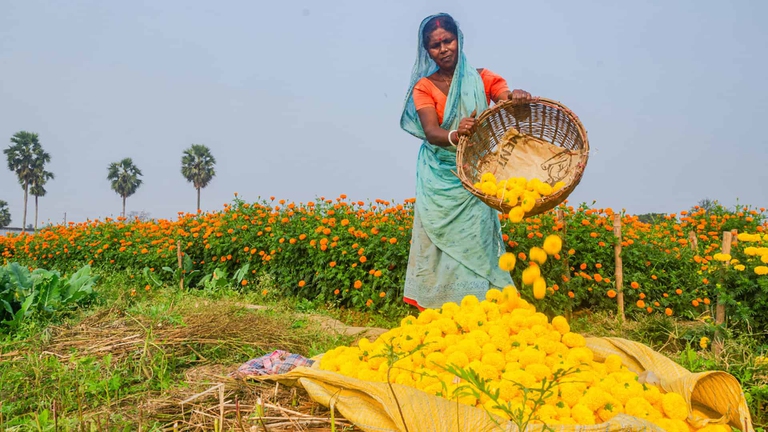
Fao has proclaimed 2026 the International Year of Women Farmers, to promote global action for gender equality and women’s empowerment in agri-food systems.
The Fao proclaimed 2026 the International Year of Women in Agriculture in order to increase awareness of women’s role in agri-food systems and to promote gender equality and women’s empowerment in the sector through the adoption of effective policies and actions to address the barriers and challenges women face.
Women farmers are essential for their contribution to food security, nutrition, and poverty eradication. Through their work, they ensure the economic survival of their families as well as rural and national economies. However, the Fao’s 2023 report The Status of Women in Agrifood Systems shows that, despite accounting for 41 per cent of the global agricultural workforce, women face significant discrimination. They encounter obstacles in accessing land and livestock ownership, quality and secure jobs, fair wages, participation in decision-making processes, credit, and financial services.
Women farmers generally work on smaller plots of land than men. Even when they manage farms of the same size, the gender gap in land productivity stands at 24 per cent. Women employed in wage labour within agri-food systems earn 78 cents for every dollar earned by men.
Another FAO report published in 2024, The Unjust Climate, highlights a “climate disadvantage” affecting women in agriculture. Drawing on data from 24 countries across five world regions, the report combines socioeconomic indicators with georeferenced climate data, offering insights into how climate stressors affect incomes, labour allocation, and adaptation strategies among rural populations, with a particular focus on vulnerable groups such as women, young people, and those living in poverty.
For example, each day of extremely high temperatures reduces the total value of crops produced by women farmers by 3 per cent more than for men. In addition, a 1°C increase in long-term average temperatures is associated with a 34 per cent reduction in total household income in female-headed households, compared with male-headed households.
According to FAO data, closing the gender gap in agriculture could increase global Gdp by one trillion dollars and reduce food insecurity for 45 million people. Moreover, reducing gender disparities in employment, education, and income could eliminate 52 per cent of the food insecurity gap, which consistently affects women more than men.
Empowering rural women through targeted development interventions could increase incomes for 58 million additional people and strengthen the resilience of 235 million people.
Siamo anche su WhatsApp. Segui il canale ufficiale LifeGate per restare aggiornata, aggiornato sulle ultime notizie e sulle nostre attività.

Quest'opera è distribuita con Licenza Creative Commons Attribuzione - Non commerciale - Non opere derivate 4.0 Internazionale.
The inflation caused by extreme weather events is known as “climateflation”: prices for many food products are expected to rise sharply.
New scientific evidence suggests a link between calorie-free artificial sweeteners and impaired blood sugar regulation.
According to analysts, the emergence of a “super” El Niño could trigger a global food price shock, adding to inflationary pressures already fuelled by the conflict with Iran.
Ecuador’s shrimp exports continue to grow, but the country’s mangrove ecosystems are paying the highest price.
Coffee supports liver health and improves mood through its effects on the gut microbiota.
By calling for the introduction of mirror measures, Slow Food highlights the need for imported foods such as corn and wheat to comply with the same standards required of products grown within the European Union.
An observational study involving more than 10,000 older adults linked preparing meals at home with a lower risk of dementia, especially among those with limited cooking skills.
An innovative Spanish study has found a link between the pesticide picloram and the onset of colorectal cancer among people under 50.
A test by Altroconsumo found that plant-based burgers often contain high levels of additives and salt, making them ultra-processed foods.


