


An innovative Spanish study has found a link between the pesticide picloram and the onset of colorectal cancer among people under 50.
14 mausoleums in Timbuktu, one of Mali’s most famous cities, Northern Africa, have been restored by the United Nations Educational, Scientific and Cultural Organization (UNESCO) after their destruction by Islamic extremists in 2012. The mausoleums have been inaugurated on 19 July by UNESCO Director-General, Irina Bokova, and Mali’s Minister of Culture, Handicraft and Tourism Ramatoulaye
14 mausoleums in Timbuktu, one of Mali’s most famous cities, Northern Africa, have been restored by the United Nations Educational, Scientific and Cultural Organization (UNESCO) after their destruction by Islamic extremists in 2012. The mausoleums have been inaugurated on 19 July by UNESCO Director-General, Irina Bokova, and Mali’s Minister of Culture, Handicraft and Tourism Ramatoulaye Diallo N’Diaye.
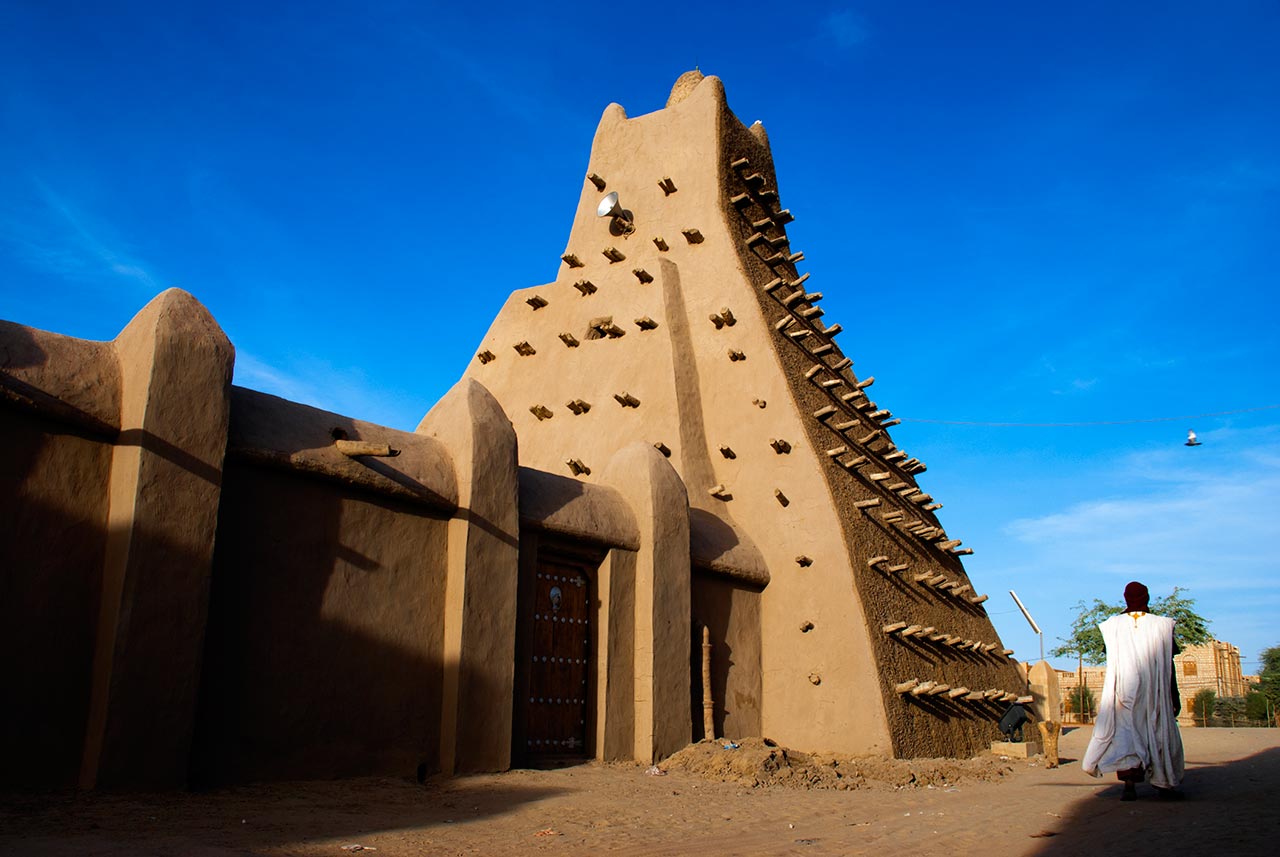
“We celebrate a day that turns a page in our dark history. The reconstruction of these mausoleums helps us forget those moments of desolation. We have kept our promise, this is why we are here to say no to extremism, and yes to peace,” said the mayor of Timbuktu Halle Ousmane.
The entire city of Timbuktu is listed as World Heritage Site for its history and richness in art and culture. In its maximum splendour, between the 15th and 16th century, Timbuktu was home to 180 schools and universities, hosting thousands of students from all over the Muslim world.
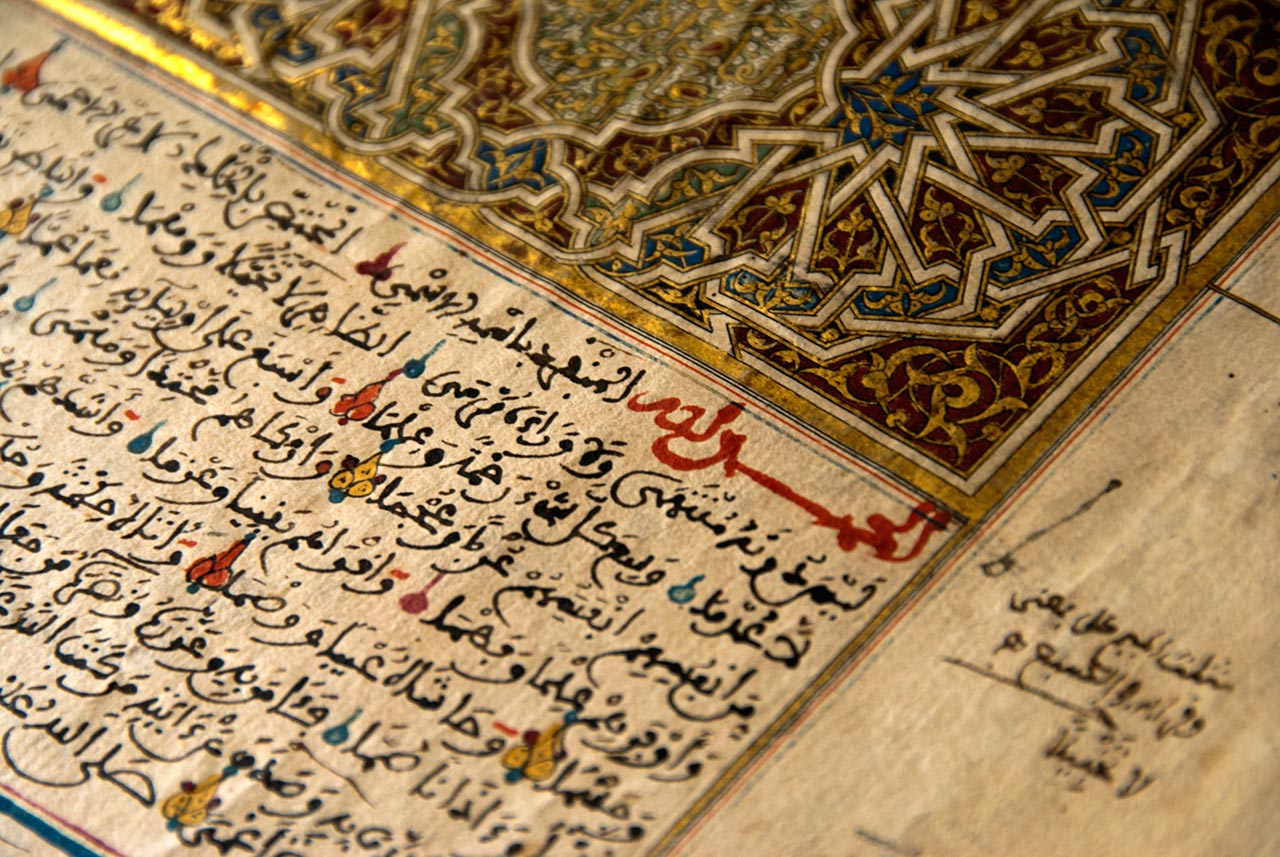
Culture, art, history, and traditions destroyed by a bunch of ignorant criminals in 2012, when they overran the city. They destroyed 14 of the 16 mausoleums because – according to them – they were symbol of idolatry and contrary to Islam’s precepts. The international community, through the United Nations, has promptly taken action by offering funds and manpower in order to bring them to life. The restoration took more than a year, with a total expense of some 500,000 dollars.
In Mali’s dark period, started with a coup in March 2012, the population has been “hit” and put to the test too. Women were forced to wear clothes covering them completely, whilst summary executions were carried out pitilessly in the streets. They even banned to listen to the traditional music of the Saharan region. Despite the situation hasn’t return to normality yet, the military intervention supported by France expelled the extremists and gave security back to the population in order to allow them starting over.
Siamo anche su WhatsApp. Segui il canale ufficiale LifeGate per restare aggiornata, aggiornato sulle ultime notizie e sulle nostre attività.

Quest'opera è distribuita con Licenza Creative Commons Attribuzione - Non commerciale - Non opere derivate 4.0 Internazionale.
An innovative Spanish study has found a link between the pesticide picloram and the onset of colorectal cancer among people under 50.
Italy’s new law on the enhancement of marine resources includes a general provision to protect a unique ecosystem, but for now it lacks concrete enforcement tools.
The latest State of the Climate in Europe report paints an alarming picture: the climate crisis is hitting the continent harder than the rest of the world.
In many regions of the world, drought is causing mass displacement, wildfire risk and growing concerns over water supplies.
Santa Marta climate summit kicks off: the “coalition of the willing” responds to COP deadlock — but without the US and China, it’s an uphill battle
A report by the think tank Ember highlights the true boom of renewable energy in the 74 countries of the Climate Vulnerable Forum.
A study shows that by 2050, the increase in heatwave-related deaths will be significantly higher in the world’s poorest countries.
The world is in “water bankruptcy,” and the Blue Book 2026 paints a picture of a country that wastes nearly four out of ten litres, where inequalities prevail.
The new report by Italian intelligence services also focuses on climate change and its impacts on migration and domestic security.


