



A report by the NGO network Climate Action Network proposes a series of concrete changes to revitalise the UN Climate Change Conferences.
Syrian drought, exacerbated by human-related activities, seems to have contributed to trigger the conflict that is putting the country on its knees and is causing millions of refugees.
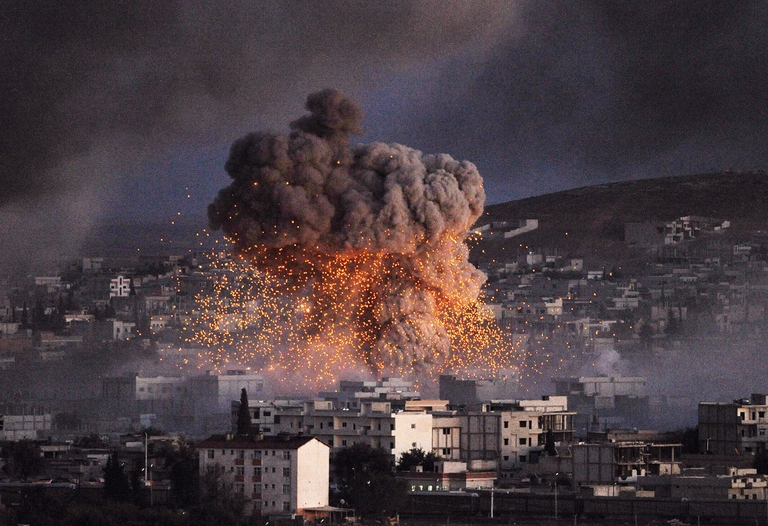
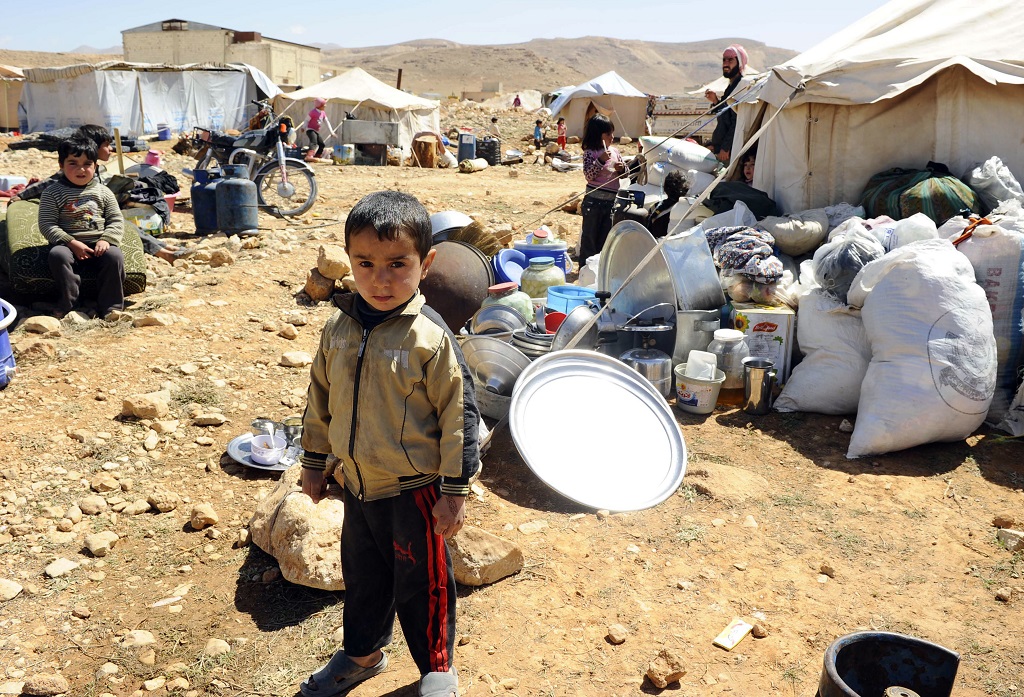
Millions of displaced people, thousands of deaths, and relentless flows of refugees trying to enter Europe. The consequences of the Syrian civil war, started in March 2011 following the protests of the Arab Spring, are clear, but the causes that triggered it could be multifaceted.
One of the main causes has political implications. The regime of Bashar al-Assad has for too long denied basic freedoms and the possibility of free elections to Syrians, thus triggering the anti-government insurrection that ended up in the civil war.
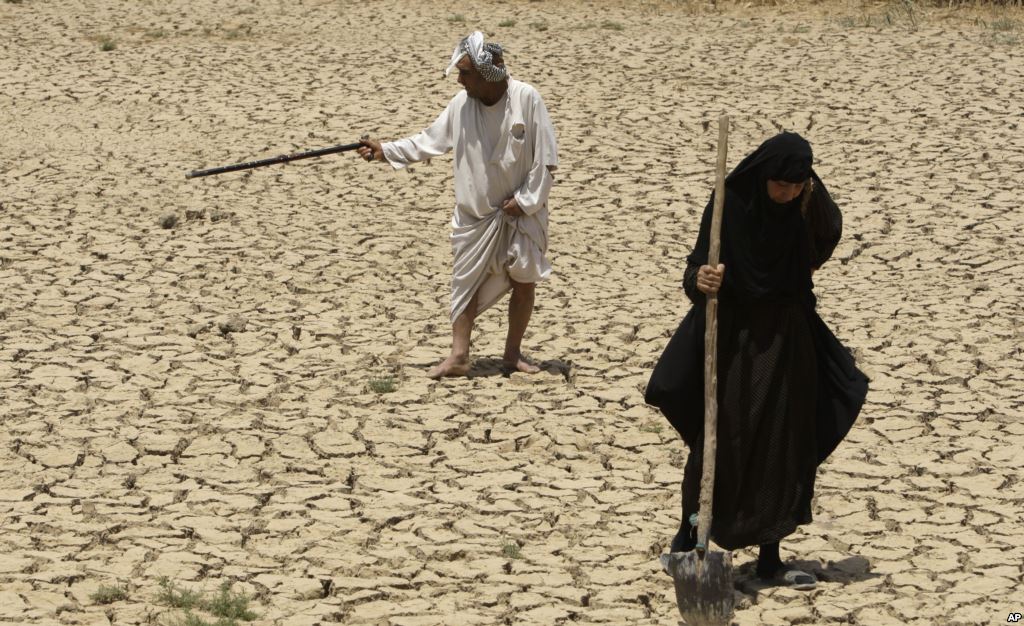
Among the reasons that favoured the outbreak of the conflict is the most banal and ancient one: water. In fact, between 2007 and 2010 Syria was hit by a severe drought, the worst registered in the country over the last century, which left a million small farmers unemployed, and caused the migration of rural population towards cities. A study published in the journal Proceedings of the National Academy of Sciences, shows how drought in Syria intensified social uprising, exacerbating the pre-existing political instability.
According to the team of researchers, the water crisis – caused by decreaed winter rainfall and rising temperatures – has probably been worsened by human-driven climate change. “We’re not saying the drought caused the war,” said Richard Seager, climate scientist at Columbia University’s Lamont-Doherty Earth Observatory and co-author of the study. “We’re saying that added to all the other stressors, it helped kick things over the threshold into open conflict”.
Along with climate change, Syria’s water shortage could be attributed to the unsustainable management of aquifers that – excessively exploited – led to the depletion of irrigation wells. Syria proves how the effects of environmental degradation and global warming can significantly affect countries’ political stability, with consequences on a global level.
Just like the notion that a butterfly flapping its wings is able to cause a hurricane on the other side of the planet, the world is a sole and interconnected entity. Borders and boundaries are nothing other than drawings on maps, and wars in faraway countries can have a knock-on effect in others thought to be unrelated.
The international meeting Environmental Justice and Climate Change highlighted how climate change will have negative consequences on the efforts made to reduce poverty, causing an increasing malnutrition and up to 250 million climate refugees over the next few years.
It may seem trivial, but trying to solve the causes of migrations rather than contain them is the best solution. The environmental causes of wars shouldn’t be underestimated, since food and water will play an evermore important role in the coming years. Restoring countries’ natural systems (and, therefore, their economies) would help reduce poverty and conflicts.
Siamo anche su WhatsApp. Segui il canale ufficiale LifeGate per restare aggiornata, aggiornato sulle ultime notizie e sulle nostre attività.

Quest'opera è distribuita con Licenza Creative Commons Attribuzione - Non commerciale - Non opere derivate 4.0 Internazionale.
A report by the NGO network Climate Action Network proposes a series of concrete changes to revitalise the UN Climate Change Conferences.
Pescasseroli, in the heart of Italy’s Apennines, will host the IBA conference on bear conservation and human–bear coexistence. LifeGate will be the event’s media partner.
The inflation caused by extreme weather events is known as “climateflation”: prices for many food products are expected to rise sharply.
The toll is still provisional, but data collected across several European countries indicate that tens of thousands of people have died as a result of extreme heat.
Last February, Malaysia imposed a total ban on electronic waste imports. Yet toxic e-waste continues to arrive from the United States and other countries through illegal trafficking networks.
Although Earth Overshoot Day falls six days later than in 2025, this does not represent an improvement. The shift is the result of revised estimates of the oceans’ carbon absorption capacity, while humanity’s actual ecological footprint continues to grow.
Gigantic wildfires in France’s Gironde region and near Madrid, Spain, have devastated tens of thousands of hectares of vegetation.
Greece has launched a wildfire management system based on nanosatellites and artificial intelligence. A model that other countries are now looking to replicate.
According to analysts, the emergence of a “super” El Niño could trigger a global food price shock, adding to inflationary pressures already fuelled by the conflict with Iran.


