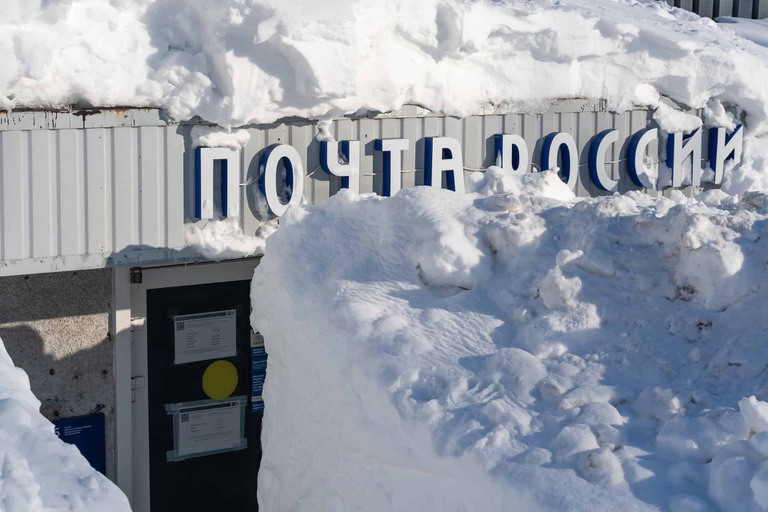
From Australia to the United States, from Chile to Mozambique, and from Russia to Argentina, many countries are grappling with extreme weather conditions.
Many regions of the world are currently experiencing extreme weather conditions. While news of the winter storm that struck the United States has reached everyone—with freezing temperatures and snowfall even in places where snow is unusual—other extraordinary situations have received far less attention.
Extreme heat in Australia: temperatures nearing 50°C, wildfires erupt
In Australia, for example, the last week of January was dominated by exceptionally hot conditions. Especially in the southern part of the country, temperatures rose above 45°C, approaching the 50°C threshold in some areas. “It is the most intense heatwave ever recorded, and what makes it particularly extraordinary is its duration: an entire week,” explained meteorologist Dean Narramore.
A huge heat dome is set to sit over parts of NSW & Victoria next week, baking the regions. Some places will see 49°C (120°F) — utterly insane temperatures. That is not sustainable for long without air conditioning. Expect major stress on infrastructure & ecosystems #Australiapic.twitter.com/EiHXxQlU0X
On 27 January, Melbourne exceeded 43°C in the shade. But in the towns of Hopetoun and Walpeup, further west, thermometers reached an all-time record for the state of Victoria. Inevitably, wildfires followed. Two major fires hit the north-east of the state, fuelled by extremely dry vegetation as well as the intense heat. And the summer season is still far from over.
Storm in Portugal, 21 deaths from fires in Chile and Argentina
Also at the end of January, an “extreme” storm struck Portugal. Named Kristin, the phenomenon brought wind gusts reaching 150 kilometres per hour, causing fallen trees, flooding and landslides.
🇪🇺🇵🇹 Em visita a Portugal, o Comissário Europeu para a Energia e Habitação, @DanJoergensen, está a acompanhar o impacto extremo da tempestade #Kristin:
"A Comissão Europeia está pronta para apoiar a recuperação de Portugal. A Europa está em total solidariedade com Portugal." pic.twitter.com/1lCoJHkjTX
In Latin America, a series of severe wildfires caused at least 21 deaths across Chile and Argentina. Hundreds of homes were destroyed, and President Gabriel Boric declared a state of natural catastrophe. In Argentina, flames are threatening even the pristine forests of Patagonia: some 45,000 hectares have been consumed in a month and a half, forcing local authorities to evacuate thousands of residents and tourists.
From Chile to Argentina, Australia & South Africa, devastation has shown while wildfires are not caused by a single factor, a warming climate makes them more frequent, intense, & destructive.
The situation has also sparked criticism of far-right President Javier Milei, who has launched a harsh austerity plan cutting numerous spending items, including those for wildfire prevention, the protection of national parks and the fire service.
Extreme weather in Kamchatka: five metres of snow
In Russia and parts of northern Europe, extreme cold conditions have instead been recorded, due to a slowdown of the polar vortex. In the Kamchatka Peninsula in particular, more than two metres of snow fell in January, adding to the 3.7 metres recorded in December. These were the heaviest snowfalls since the 1970s.
Japan has also experienced unprecedented snowfall: the western coast was covered by snowdrifts up to 4.5 metres high, especially in the Aomori region. According to Japan’s Fire and Disaster Management Agency, the extreme weather event caused at least 30 deaths and 324 injuries.
In Mozambique, 400,000 people fleeing torrential rains
Southern Africa, for its part, has been hit by torrential rainfall. Mozambique in particular has suffered flooding that severely damaged crops, forced around 400,000 people to flee, and affected 650,000 in various ways. Extreme precipitation has also been recorded in Indonesia and New Zealand.
All of this is fully consistent with what climate scientists around the world have been explaining for decades: the rise in global average temperatures, largely driven by the burning of fossil fuels—coal, oil and gas—is making extreme weather events increasingly frequent, intense and long-lasting.
Tutto ciò è perfettamente in linea con quanto spiegato ormai da decenni dai climatologi di tutto il mondo: l’aumento della temperatura media globale, provocato in gran parte dalla combustione di fonti fossili (carbone, petrolio e gas), sta rendendo gli eventi meteorologici estremi sempre più frequenti, violenti e duraturi.
The oil giant TotalEnergies must defend itself against accusations of failing to take into account the climate consequences resulting from the use of its products.
A Greenpeace report denounces Russia’s political and economic model: a nexus of extractivism, authoritarianism and war that is destroying the environment, with serious repercussions for the global ecosystem.