The “Nobel Prize for the Environment” awarded to research on CO₂-absorbing fungi
The scientist Toby Kiers @ www.tylerprize.org
The Tyler Prize, considered the “Nobel Prize for the Environment,” has been awarded to Toby Kiers, an American biologist working in Amsterdam.
The scientist Toby Kiers @ www.tylerprize.org
The Tyler Prize, also known as the “Nobel Prize for the Environment”, has been awarded this year to Toby Kiers, an American mycologist and biologist, for her work on fungal networks and their ability to absorb carbon dioxide.
What mycorrhizae are and how they help fight the climate crisis
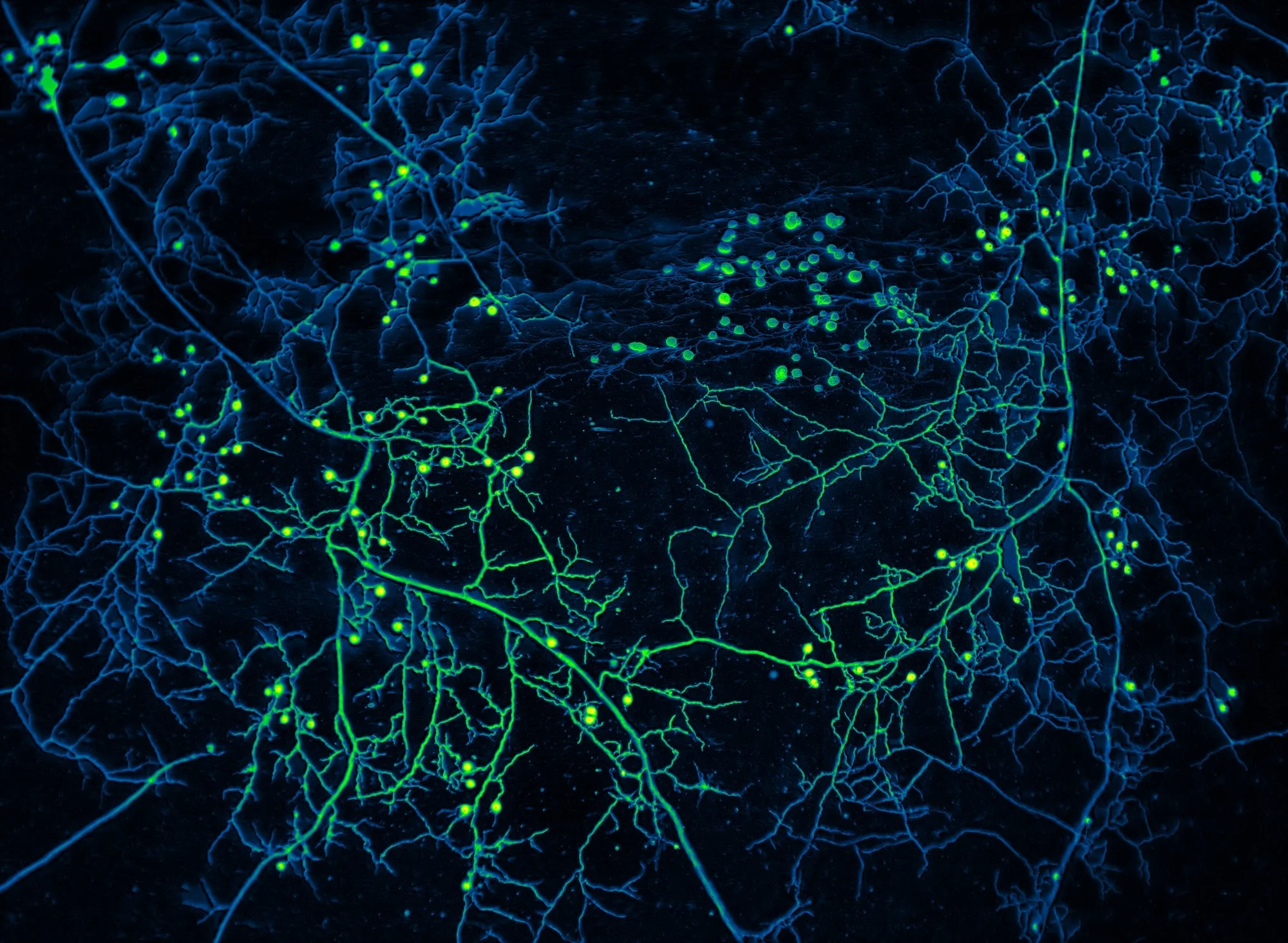
The focus is on mycorrhizae, fungi that grow in symbiosis with surrounding plants. Most people have encountered them at some point in their lives: they can be found in forest soils, grasslands, and agricultural land. These are vast fungal networks that form vital mechanisms for ecosystems.
They are able to transfer nutrients to plant roots, which is why their presence is mutually essential. But there is more: these fungal networks also play a particularly important role in mitigating climate change, as they absorb 13.12 billion tonnes of CO₂ every year worldwide, helping to limit the rise in global average temperatures.
A global atlas of fungal networks
Until recently, however, the contribution of these fungi had been significantly underestimated. They were thought to be useful mainly to plants, rather than to the Earth’s global systems. By creating a global map of mycorrhizal presence, through an atlas published for the first time last year, Toby Kiers and the researchers involved in the study have brought to light crucial insights into planetary balance.
Today we know that protecting these vast fungal networks is also a way to tackle the climate crisis. The more than 13 billion tonnes of CO₂ absorbed each year amount to around one third of total emissions generated by the combustion of fossil fuels—coal, oil, and gas.
American biologist Toby Kiers wins 'Environment Nobel' for shedding light on hidden fungal networks.
The “Environment Nobel” awarded by the University of Southern California
“I often think about all the ways in which land is used negatively, when a single bag of soil contains a galaxy,” said Kiers, who works at Vrije Universiteit Amsterdam in the Netherlands. She began studying fungi 19 years ago, after taking part in an expedition to the tropical forests of Panama. “That was when I started asking myself what was happening beneath those giant trees, in such a rich jungle.”
The Tyler Prize is awarded by the University of Southern California in Los Angeles. The recipient receives a $250,000 prize.
The oil giant TotalEnergies must defend itself against accusations of failing to take into account the climate consequences resulting from the use of its products.
From Australia to the United States, from Chile to Mozambique, and from Russia to Argentina, many countries are grappling with extreme weather conditions.
A Greenpeace report denounces Russia’s political and economic model: a nexus of extractivism, authoritarianism and war that is destroying the environment, with serious repercussions for the global ecosystem.