


Pescasseroli, in the heart of Italy’s Apennines, will host the IBA conference on bear conservation and human–bear coexistence. LifeGate will be the event’s media partner.
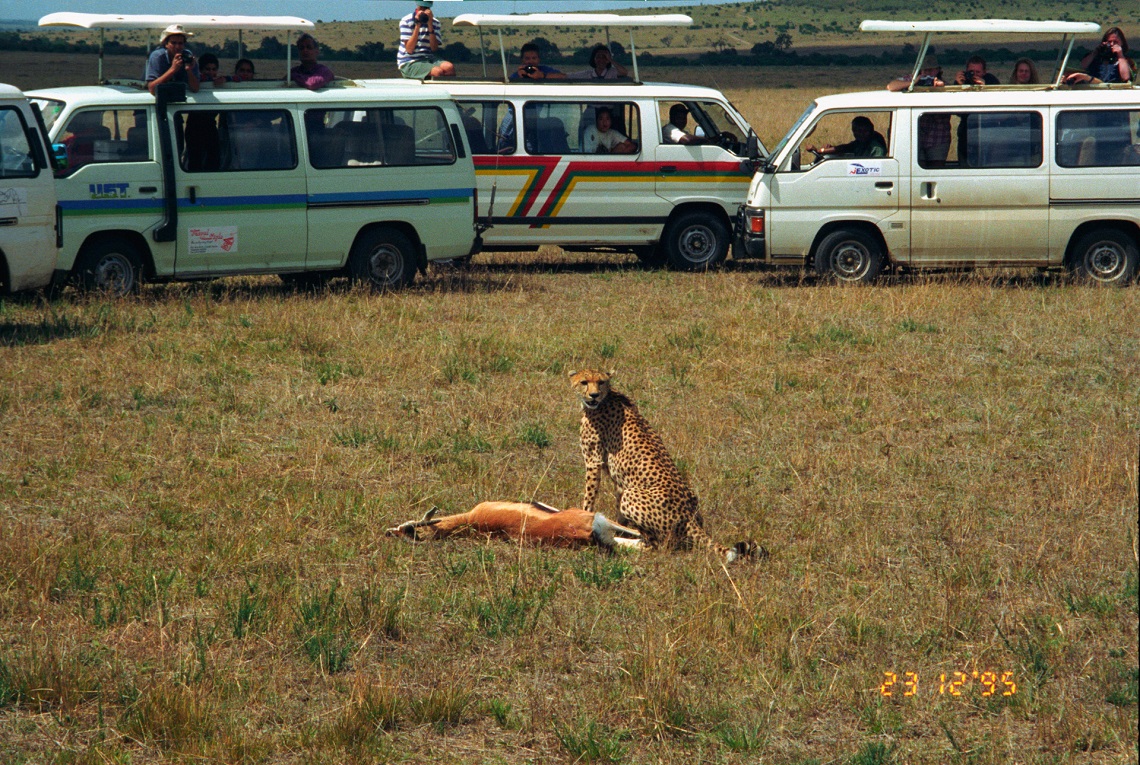
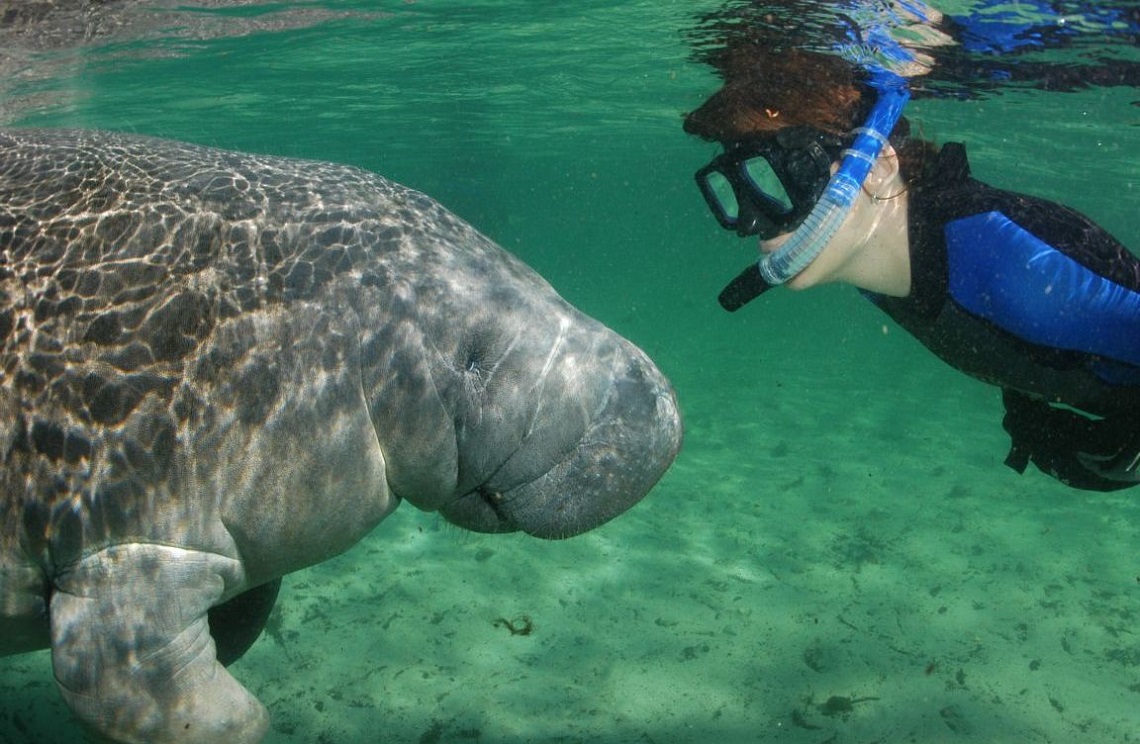
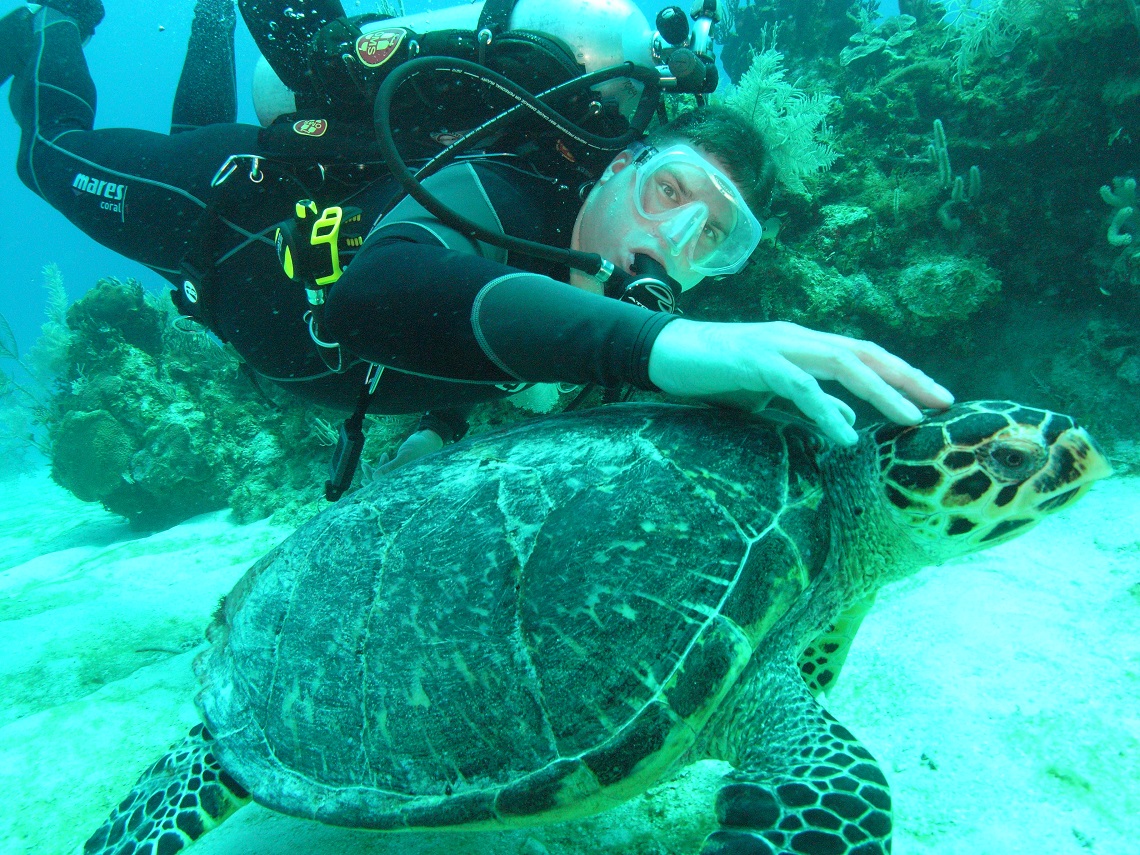
Ecotourism, which means travelling in a responsible and respectful way towards the environment and ecology and favouring natural protected areas and parks, is growing steadily. Admiring wildlife in its natural environment is a unique emotion, and this kind of tourism is promoted to finance the conservation of natural areas and sustain local economies.
Ecotourism, which means travelling in a responsible and respectful way towards the environment and ecology and favouring natural protected areas and parks, is growing steadily.
Admiring wildlife in its natural environment is a unique emotion, and this kind of tourism is promoted to finance the conservation of natural areas and sustain local economies. Yet, this growing love for nature could be a threat to nature itself, particularly to wildlife.
Such risk has been highlighted by a study carried out by Professor Daniel Blumstein, of the University of California, published by Trends in Ecology and Evolution magazine. Ecotourism annually generates more than 8 billion visits to protected areas all over the world. According to the study, the fact that animals are getting used to human presence could modify their behaviour, making them more vulnerable to poachers and predators.
“If individuals selectively habituate to humans and if invasive tourism practices enhance this habituation, we might be selecting for or creating traits or syndromes that have unintended consequences, such as increased predation risk,” said Blumstein. “Even a small human-induced perturbation could affect the behaviour or population biology of a species and influence the species’ function in its community.”
Human familiarity could be harmful for both herbivores and predators. Herbivores lower their guard and become bolder with natural predators and poachers, whilst carnivores, which are more elusive, could be discouraged by the huge visitor flows and, by result, could give up hunting in certain areas.
Researchers are trying to understand, in details, how different animal species react to man’s presence, in order to establish the exact exposition levels that could threaten animals’ survival.
Whilst waiting for new details and results, it is possible to adopt good practices. For example, if we meet wild animals, we should keep ouselves distant, be quiet and, most of all, not feed them. We must remember that into forests, woods, and oceans we are guests and, despite our love, it’s better animals to distrust us.
Siamo anche su WhatsApp. Segui il canale ufficiale LifeGate per restare aggiornata, aggiornato sulle ultime notizie e sulle nostre attività.

Quest'opera è distribuita con Licenza Creative Commons Attribuzione - Non commerciale - Non opere derivate 4.0 Internazionale.
Pescasseroli, in the heart of Italy’s Apennines, will host the IBA conference on bear conservation and human–bear coexistence. LifeGate will be the event’s media partner.
The inflation caused by extreme weather events is known as “climateflation”: prices for many food products are expected to rise sharply.
The toll is still provisional, but data collected across several European countries indicate that tens of thousands of people have died as a result of extreme heat.
Last February, Malaysia imposed a total ban on electronic waste imports. Yet toxic e-waste continues to arrive from the United States and other countries through illegal trafficking networks.
Although Earth Overshoot Day falls six days later than in 2025, this does not represent an improvement. The shift is the result of revised estimates of the oceans’ carbon absorption capacity, while humanity’s actual ecological footprint continues to grow.
Gigantic wildfires in France’s Gironde region and near Madrid, Spain, have devastated tens of thousands of hectares of vegetation.
Greece has launched a wildfire management system based on nanosatellites and artificial intelligence. A model that other countries are now looking to replicate.
According to analysts, the emergence of a “super” El Niño could trigger a global food price shock, adding to inflationary pressures already fuelled by the conflict with Iran.
Residents of Kanseche, Malawi, accuse ABF of contributing to the devastating 2022 floods through its subsidiary, Illovo Sugar.


