



Pescasseroli, in the heart of Italy’s Apennines, will host the IBA conference on bear conservation and human–bear coexistence. LifeGate will be the event’s media partner.
That Bill Gates, who has long been one of the Planet’s richest and most influential people, has committed himself in philanthropic projects is already known. But further demonstration comes with the last prototype realised thanks to the funds of the Gates Foundation, the Omniprocessor. Bill Gates himself in the pages of his official website
That Bill Gates, who has long been one of the Planet’s richest and most influential people, has committed himself in philanthropic projects is already known. But further demonstration comes with the last prototype realised thanks to the funds of the Gates Foundation, the Omniprocessor.
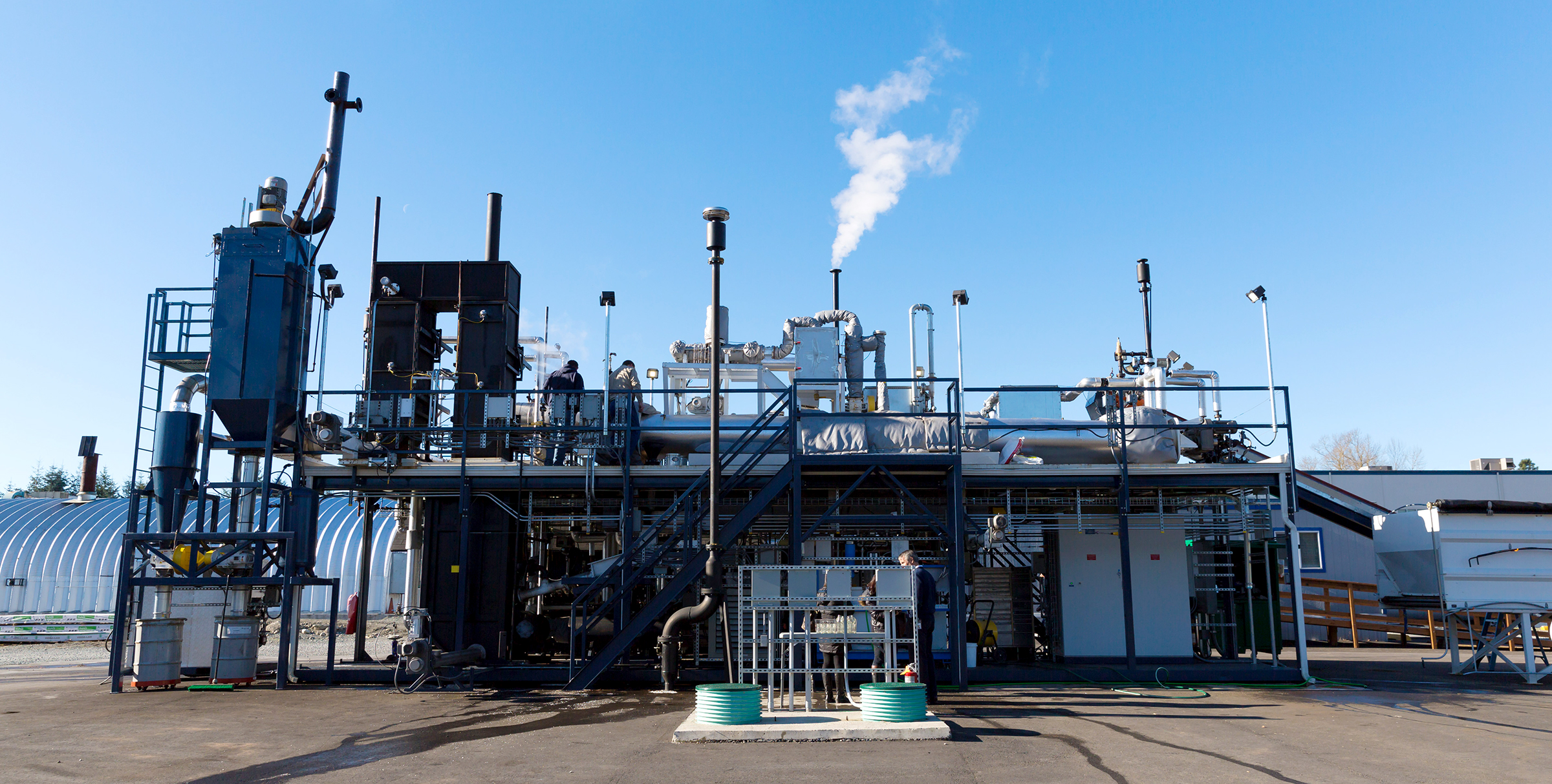
Bill Gates himself in the pages of his official website tells that he personally visited the Omniprocessor, built by Janicki Bioenergy, an engineering firm based north of Seattle. Basically, the system extracts drinking water from treated human faeces and urine safely. It’s a big purifier that turns organic waste into clean water.
“I watched the piles of feces go up the conveyer belt and drop into a large bin” Gates says. “They made their way through the machine, getting boiled and treated. A few minutes later I took a long taste of the end result: a glass of delicious drinking water”.
A revolutionary technology that would help the 2 billion people who don’t have access to adequate sanitation facilities or exclusively have available contaminated water. Every year diseases caused by poor sanitation kill about 700,000 children.
The innovation of the Omniprocessor lies also in its efficiency. Indeed, as Gates explains: “Through the ingenious use of a steam engine, it produces more than enough energy to burn the next batch of waste. In other words, it powers itself, with electricity to spare”.
The processor can handle waste from 100,000 people, producing 86,000 litres of drinking water daily and doesn’t require new and expensive drainage systems that are usually difficult to build. Gates writes that the first prototype is going to be built in Dakar, Senegal, and that it will be monitored 24 hours a day remotely. If the processor will work, we could witness a real revolution for those who, still today, die for lack of water.
Siamo anche su WhatsApp. Segui il canale ufficiale LifeGate per restare aggiornata, aggiornato sulle ultime notizie e sulle nostre attività.

Quest'opera è distribuita con Licenza Creative Commons Attribuzione - Non commerciale - Non opere derivate 4.0 Internazionale.
Pescasseroli, in the heart of Italy’s Apennines, will host the IBA conference on bear conservation and human–bear coexistence. LifeGate will be the event’s media partner.
The inflation caused by extreme weather events is known as “climateflation”: prices for many food products are expected to rise sharply.
The toll is still provisional, but data collected across several European countries indicate that tens of thousands of people have died as a result of extreme heat.
Last February, Malaysia imposed a total ban on electronic waste imports. Yet toxic e-waste continues to arrive from the United States and other countries through illegal trafficking networks.
Although Earth Overshoot Day falls six days later than in 2025, this does not represent an improvement. The shift is the result of revised estimates of the oceans’ carbon absorption capacity, while humanity’s actual ecological footprint continues to grow.
Gigantic wildfires in France’s Gironde region and near Madrid, Spain, have devastated tens of thousands of hectares of vegetation.
Greece has launched a wildfire management system based on nanosatellites and artificial intelligence. A model that other countries are now looking to replicate.
According to analysts, the emergence of a “super” El Niño could trigger a global food price shock, adding to inflationary pressures already fuelled by the conflict with Iran.
Residents of Kanseche, Malawi, accuse ABF of contributing to the devastating 2022 floods through its subsidiary, Illovo Sugar.


