



Pescasseroli, in the heart of Italy’s Apennines, will host the IBA conference on bear conservation and human–bear coexistence. LifeGate will be the event’s media partner.
Costa Rica aims to become the world’s first country to adopt a national strategy to end single-use plastic by 2021, as announced by Costa Rican Environment and Energy Minister Edgar Gutiérrez. The decision is part of the plan to make Costa Rica the first carbon-neutral country by 2021. Along with ending single-use plastics, the country
Costa Rica aims to become the world’s first country to adopt a national strategy to end single-use plastic by 2021, as announced by Costa Rican Environment and Energy Minister Edgar Gutiérrez.
The decision is part of the plan to make Costa Rica the first carbon-neutral country by 2021. Along with ending single-use plastics, the country achieved significant results in the field of renewable energy. In fact, it managed to produce electricity entirely from renewable sources for months in a row.
Read also: Costa Rica generated 98% of its electricity from renewables
Costa Rica has a real problem with waste. It is estimated that one fifth of the 4 tonnes of waste produced every day is not collected and ends up in the environment, polluting rivers, beaches and seas.
“Being a country free of single use plastics is our mantra and our mission,” Gutiérrez said. “It’s not going to be easy, and the government can’t do it alone. To promote these changes, we need all sectors – public and private – to commit to actions to replace single-use plastic through five strategic actions: municipal incentives, policies and institutional guidelines for suppliers; replacement of single-use plastic products; research and development—and investment in strategic initiatives.”
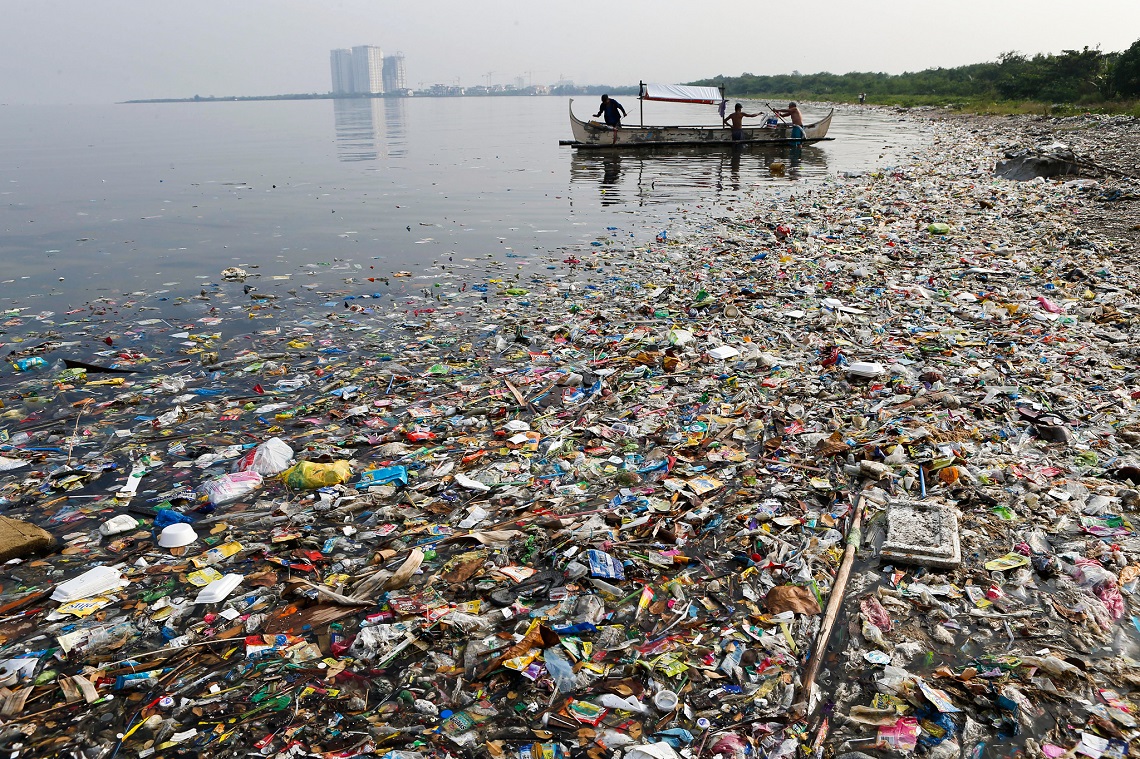
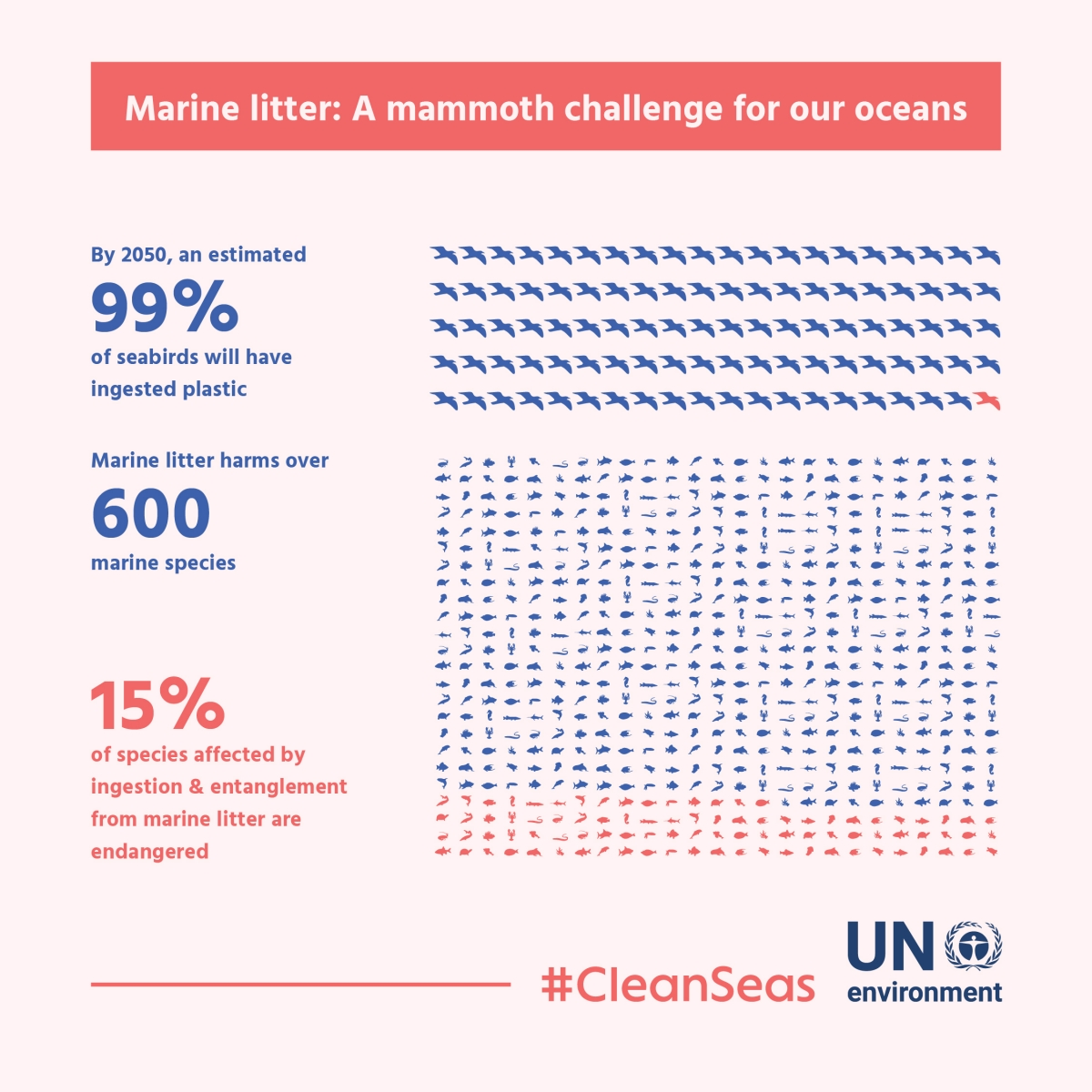
Plastic waste has become a global problem. According to a study conducted by the World Economic Forum and the Ellen MacArthur Foundation, 32 per cent of the 80 million tonnes of the plastic produced every year end up in the ocean. It’s like dumping a lorry of waste into the sea every minute. Estimates show that 99 per cent of sea birds will be found with plastic in their guts by 2050.
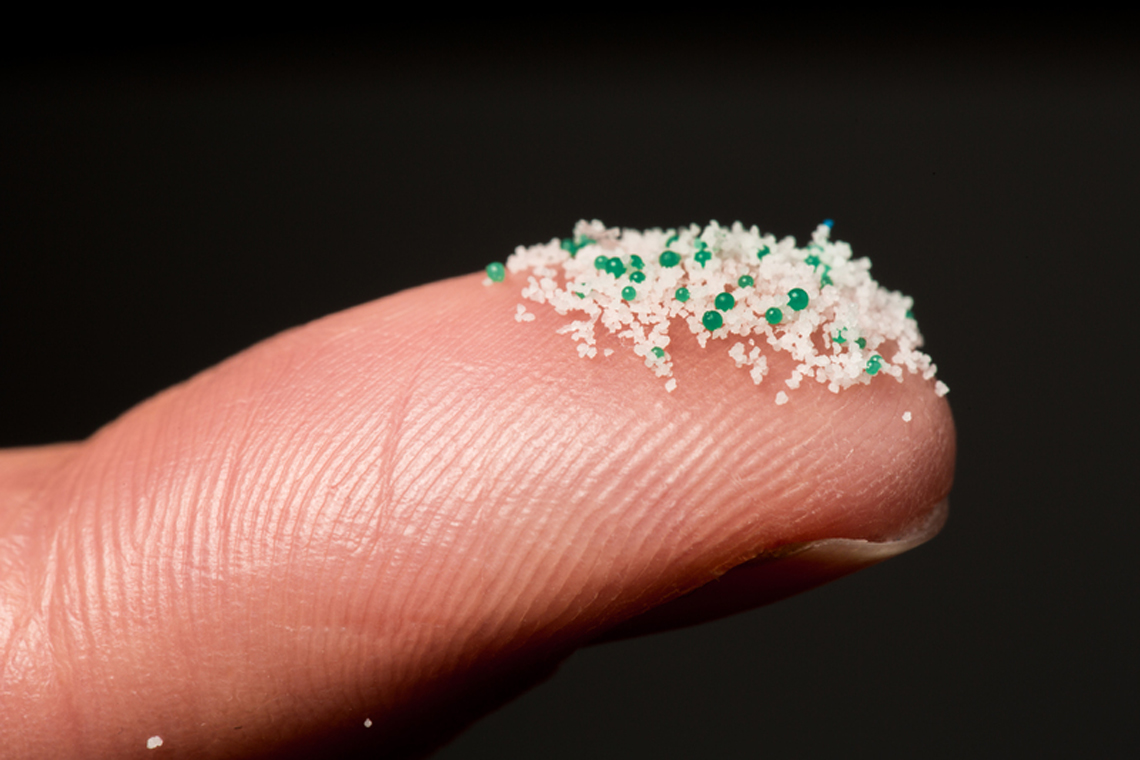
Also the Ismar CNR, with a study published in the journal Scientific Report, warns that the presence of microplastic in the western areas of the Mediterranean Sea has one of the world’s highest rates. “Microplastics are plastic fragments smaller than 2 millimetres that, despite not visible to the naked eye, have been found floating almost everywhere in the Mediterranean Sea, with the highest concentrations in the world. For instance, in 1999 the North Pacific Gyre was estimated to have 335,000 plastic fragments per square metre, while the Mediterranean Sea about 1.25 million fragments”.
Read also: Plastic particles found in drinking water across the world
Microplastic also end up in our tap water, as shown in a study conducted by Orb Media in collaboration with The Guardian.
According to the study, which analysed 159 samples of drinking water in a number of cities across the world, 83 per cent of the samples were contaminated with microplastics. This means that microplastic can be found also in the foods prepared with such water, including bread, pasta and soups.
Siamo anche su WhatsApp. Segui il canale ufficiale LifeGate per restare aggiornata, aggiornato sulle ultime notizie e sulle nostre attività.

Quest'opera è distribuita con Licenza Creative Commons Attribuzione - Non commerciale - Non opere derivate 4.0 Internazionale.
Pescasseroli, in the heart of Italy’s Apennines, will host the IBA conference on bear conservation and human–bear coexistence. LifeGate will be the event’s media partner.
The inflation caused by extreme weather events is known as “climateflation”: prices for many food products are expected to rise sharply.
The toll is still provisional, but data collected across several European countries indicate that tens of thousands of people have died as a result of extreme heat.
Last February, Malaysia imposed a total ban on electronic waste imports. Yet toxic e-waste continues to arrive from the United States and other countries through illegal trafficking networks.
Although Earth Overshoot Day falls six days later than in 2025, this does not represent an improvement. The shift is the result of revised estimates of the oceans’ carbon absorption capacity, while humanity’s actual ecological footprint continues to grow.
Gigantic wildfires in France’s Gironde region and near Madrid, Spain, have devastated tens of thousands of hectares of vegetation.
Greece has launched a wildfire management system based on nanosatellites and artificial intelligence. A model that other countries are now looking to replicate.
According to analysts, the emergence of a “super” El Niño could trigger a global food price shock, adding to inflationary pressures already fuelled by the conflict with Iran.
Residents of Kanseche, Malawi, accuse ABF of contributing to the devastating 2022 floods through its subsidiary, Illovo Sugar.


