


Pescasseroli, in the heart of Italy’s Apennines, will host the IBA conference on bear conservation and human–bear coexistence. LifeGate will be the event’s media partner.
In many parts of the world bugs are consumed as a healthy delicacy. Slimy, creepy critters already form part of the daily diet of at least 2 billion people worldwide. Prepared correctly, eating insects can be a delicious and nutritious food source. Now you probably enjoy a cheeseburger as much as the next
In many parts of the world bugs are consumed as a healthy delicacy. Slimy, creepy critters already form part of the daily diet of at least 2 billion people worldwide. Prepared correctly, eating insects can be a delicious and nutritious food source.
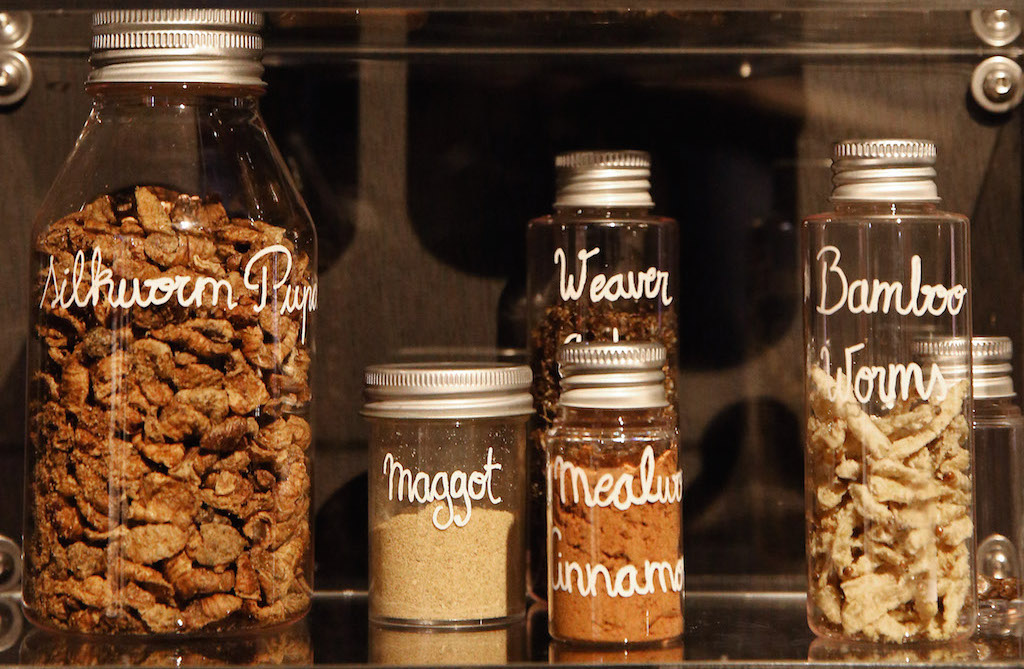
Now you probably enjoy a cheeseburger as much as the next person, but unfortunately, our dietary dependency on livestock puts great pressure on resources and the environment. In fact, experts say that a pound, or half a kilo, of burger meat accounts for almost a dozen kilos of CO2 emissions and every kilogram of beef requires 10 kg of feed to be produced. Bugs are significantly more sustainable. A kilo of, say, delicious crickets requires less than two of feed. Hungry yet?
The world’s population is continuing to grow and so, naturally, is the demand for nutrition. Experts at the United Nations’ Food and Agriculture Organization (FAO) highlight insects as one of the solutions to provide food security in the future.
Gourmet grubs have already made it to the market. Take for instance Swiss company Essento, which combines Western flavours with an “extra” insect crunch. Popular restaurants like London’s Archipelago have also added various crawlers to the menu.
If you do come across a place that has some “bugalicious” flavours, take a bite. You might just enjoy it. After all, consider the first person to ever bite into a lobster. They must have been pleasantly surprised despite the animal’s unpleasant appearance.
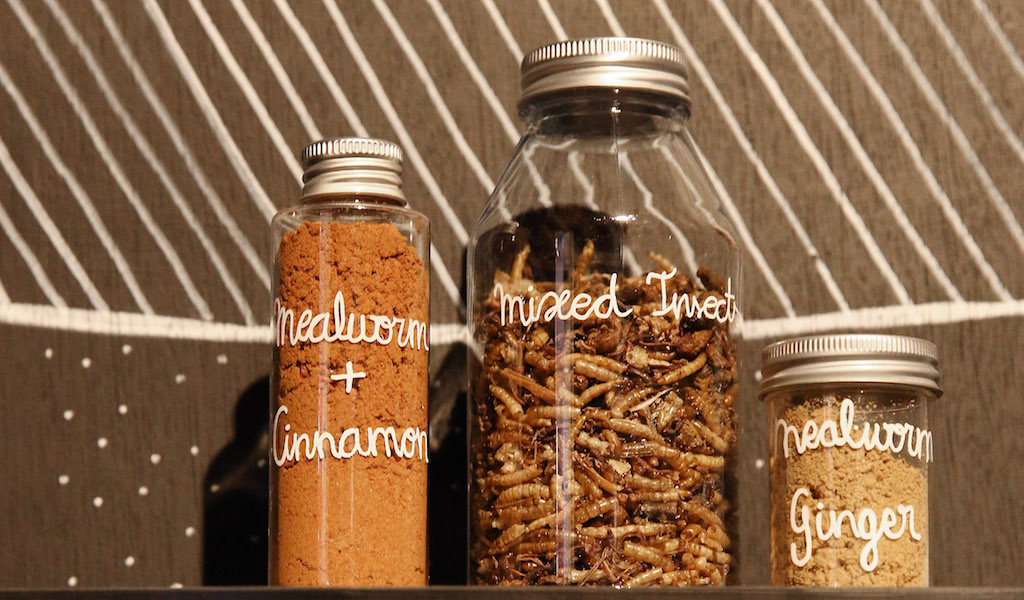
So join the sustainable revolution and get some grub on your plate. Here is a recipe that gets you ready for summertime grilling of grasshopper kebabs. And don’t forget to make banana worm bread for dessert. Your barbecue will certainly be a party that no one forgets.
Siamo anche su WhatsApp. Segui il canale ufficiale LifeGate per restare aggiornata, aggiornato sulle ultime notizie e sulle nostre attività.

Quest'opera è distribuita con Licenza Creative Commons Attribuzione - Non commerciale - Non opere derivate 4.0 Internazionale.
Pescasseroli, in the heart of Italy’s Apennines, will host the IBA conference on bear conservation and human–bear coexistence. LifeGate will be the event’s media partner.
The inflation caused by extreme weather events is known as “climateflation”: prices for many food products are expected to rise sharply.
The toll is still provisional, but data collected across several European countries indicate that tens of thousands of people have died as a result of extreme heat.
Last February, Malaysia imposed a total ban on electronic waste imports. Yet toxic e-waste continues to arrive from the United States and other countries through illegal trafficking networks.
Although Earth Overshoot Day falls six days later than in 2025, this does not represent an improvement. The shift is the result of revised estimates of the oceans’ carbon absorption capacity, while humanity’s actual ecological footprint continues to grow.
Gigantic wildfires in France’s Gironde region and near Madrid, Spain, have devastated tens of thousands of hectares of vegetation.
Greece has launched a wildfire management system based on nanosatellites and artificial intelligence. A model that other countries are now looking to replicate.
According to analysts, the emergence of a “super” El Niño could trigger a global food price shock, adding to inflationary pressures already fuelled by the conflict with Iran.
Residents of Kanseche, Malawi, accuse ABF of contributing to the devastating 2022 floods through its subsidiary, Illovo Sugar.


