


A report by the NGO network Climate Action Network proposes a series of concrete changes to revitalise the UN Climate Change Conferences.
The United States and Canada have announced a permanent ban on oil and gas drilling in parts of the Arctic and the Atlantic.
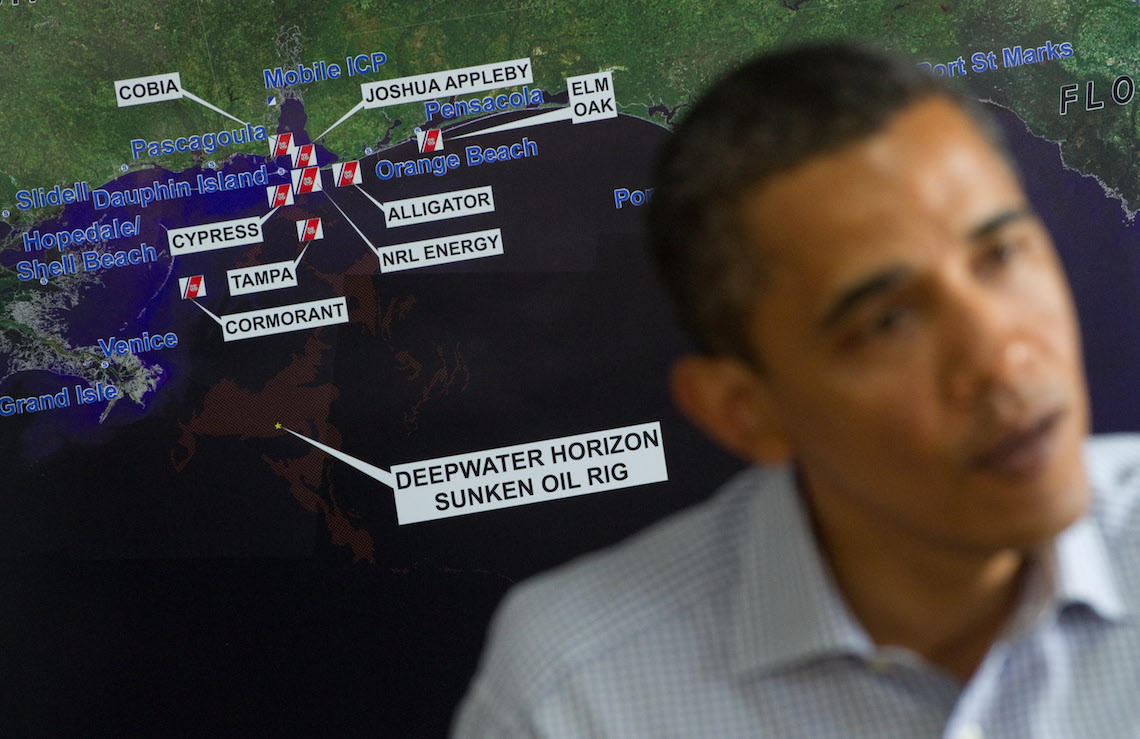
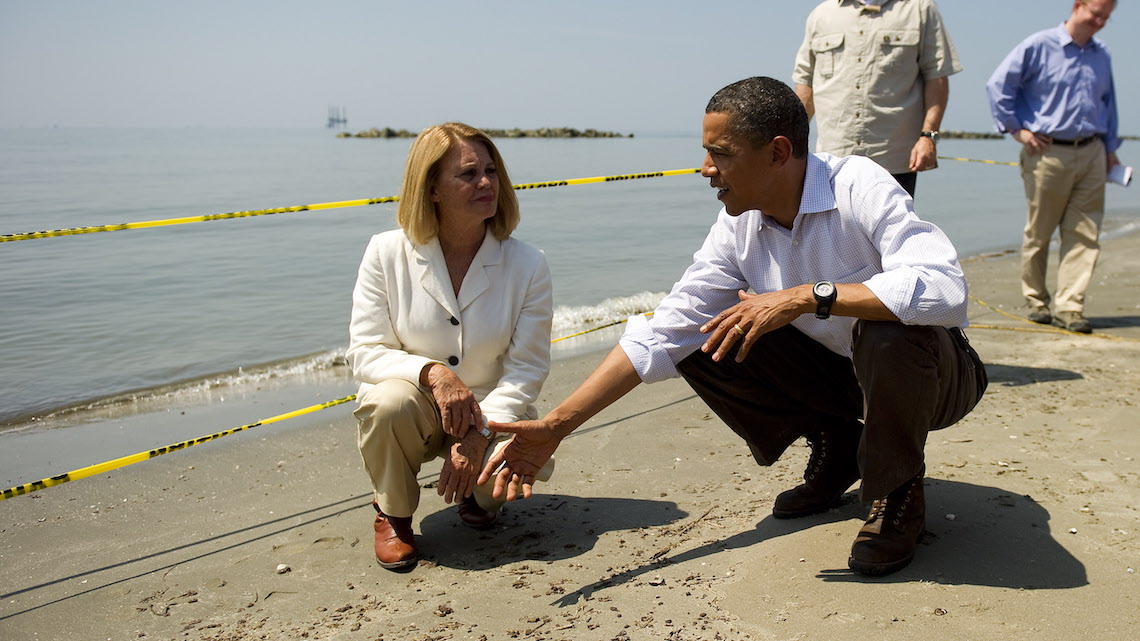
Barack Obama will leave office in less than a month, and Donald Trump will succeed him. Thus, the decision on offshore drilling made by the outgoing President of the United States on 20 December seems a kind of environmental last will. He made a historic move to block gas and oil drilling in the Arctic and the Atlantic, indefinitely.
Obama had already announced his will of protecting such areas, which are home to precious and endangered animal and plant species. At that time, however, Obama hypothesised only a 5-year ban. So, the great news is the ban duration. A 1953 law, the so-called Outer Continental Shelf Lands Act, which gives heads of state the power of protecting federal waters from gas and oil drilling, allowed permanently blocking all activities linked to fossil fuels.
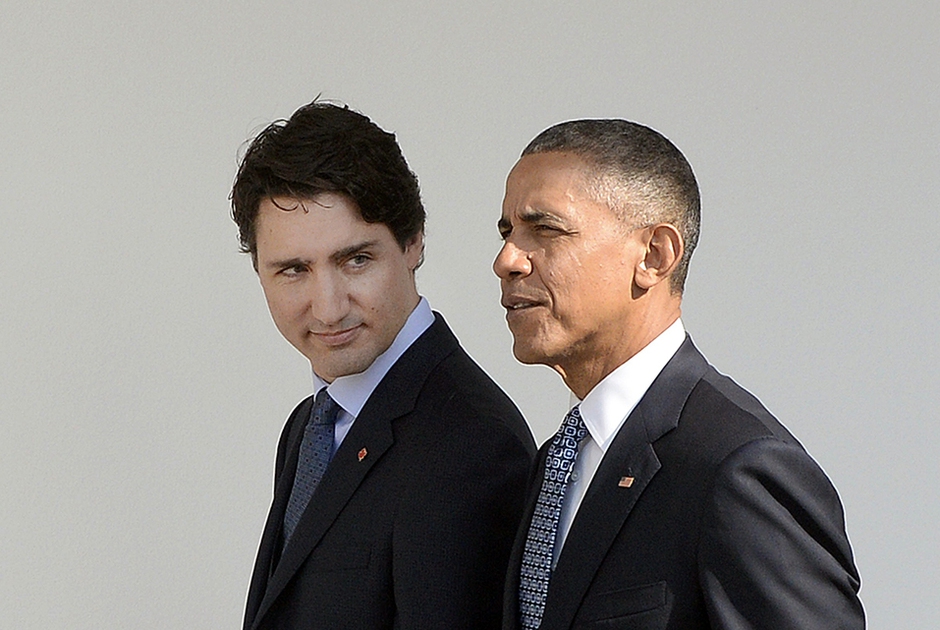
The ban will involve an area of 1.5 million hectares along the Atlantic coast, from Norfolk, Virginia, to Maine. Similarly, Arctic US waters – an area of 46 million hectares – will be protected. “These actions protect a sensitive and unique ecosystem that is unlike any other region on Earth,” Obama said in a statement. Canada’s Prime Minister Justin Trudeau has made a similar choice. “Together we’ve taken a historic step,” commented Obama.
International environmental associations have welcomed the news with great satisfaction. Michael Brune, Executive director of the Sierra Club, said that the actions taken by the US “won’t allow a future president to destroy those areas”. Alessandro Gianni of Greenpeace-Italy said: “We will see if Trump, who has always backed oil giants, will go against 5 million people worldwide and those indigenous communities that want more than the destruction caused by oil drilling”.
However, there’s the risk that the Trump administration will reverse the ban. And there’s a precedent that proves it. Back in the 1990’s, then-President Bill Clinton made a similar move on oil drilling based on the 1953 law. His successor, George W. Bush, started a legal battle that ended with the cancellation of the ban in some parts of the involved areas. Therefore, Trump could turn to federal justice.
Siamo anche su WhatsApp. Segui il canale ufficiale LifeGate per restare aggiornata, aggiornato sulle ultime notizie e sulle nostre attività.

Quest'opera è distribuita con Licenza Creative Commons Attribuzione - Non commerciale - Non opere derivate 4.0 Internazionale.
A report by the NGO network Climate Action Network proposes a series of concrete changes to revitalise the UN Climate Change Conferences.
Pescasseroli, in the heart of Italy’s Apennines, will host the IBA conference on bear conservation and human–bear coexistence. LifeGate will be the event’s media partner.
It seems a new love between Canada and the United States, between Prime Minister Justin Trudeau and President Barack Obama, has bloomed. This is thanks to their common interest in fighting global warming. On 10 March, Trudeau and his wife carried out an ice-breaking visit at the White House. It was the first official visit
The inflation caused by extreme weather events is known as “climateflation”: prices for many food products are expected to rise sharply.
The toll is still provisional, but data collected across several European countries indicate that tens of thousands of people have died as a result of extreme heat.
Last February, Malaysia imposed a total ban on electronic waste imports. Yet toxic e-waste continues to arrive from the United States and other countries through illegal trafficking networks.
Although Earth Overshoot Day falls six days later than in 2025, this does not represent an improvement. The shift is the result of revised estimates of the oceans’ carbon absorption capacity, while humanity’s actual ecological footprint continues to grow.
Gigantic wildfires in France’s Gironde region and near Madrid, Spain, have devastated tens of thousands of hectares of vegetation.
Greece has launched a wildfire management system based on nanosatellites and artificial intelligence. A model that other countries are now looking to replicate.