


Pescasseroli, in the heart of Italy’s Apennines, will host the IBA conference on bear conservation and human–bear coexistence. LifeGate will be the event’s media partner.
Il ventinovenne imprenditore, dopo aver perso il proprio cane, ha convertito un mattatoio abbandonato in un rifugio per cani randagi.
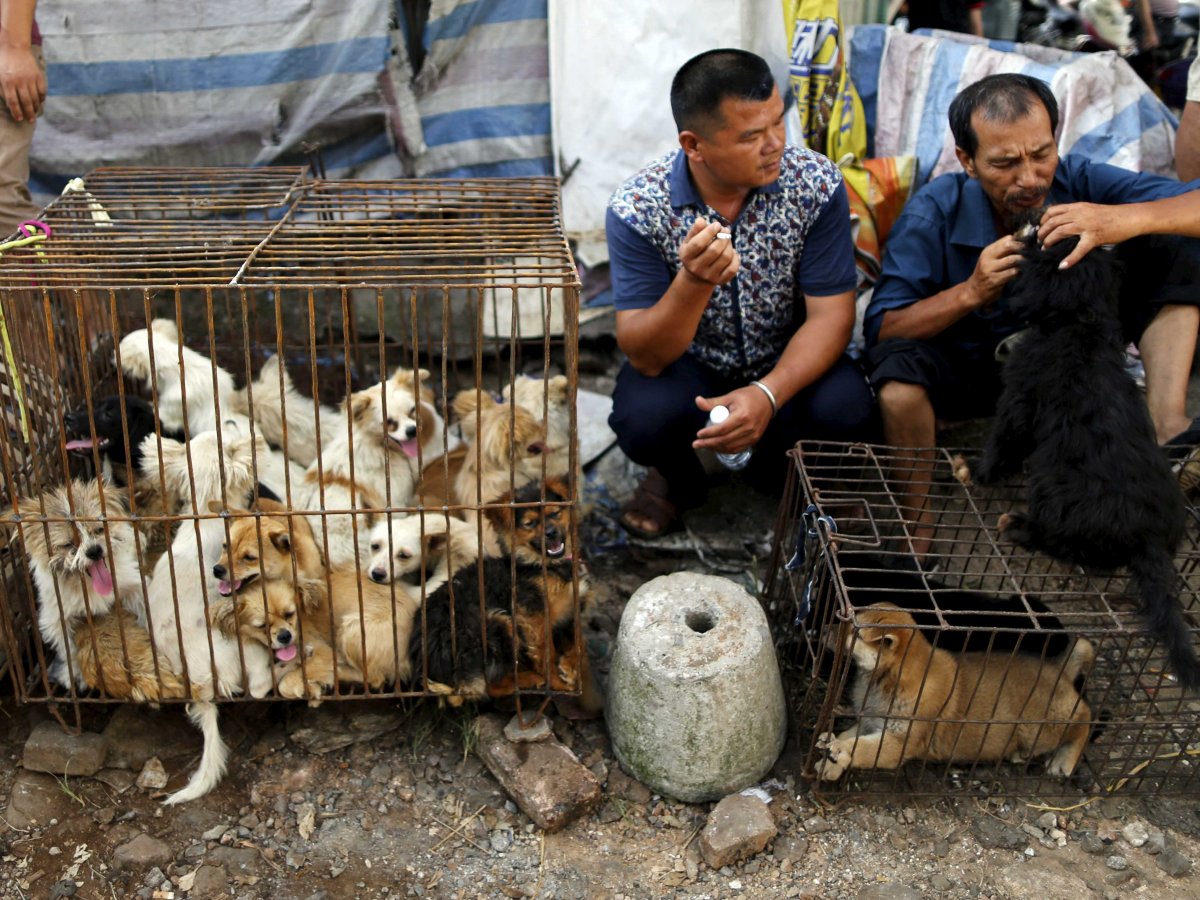
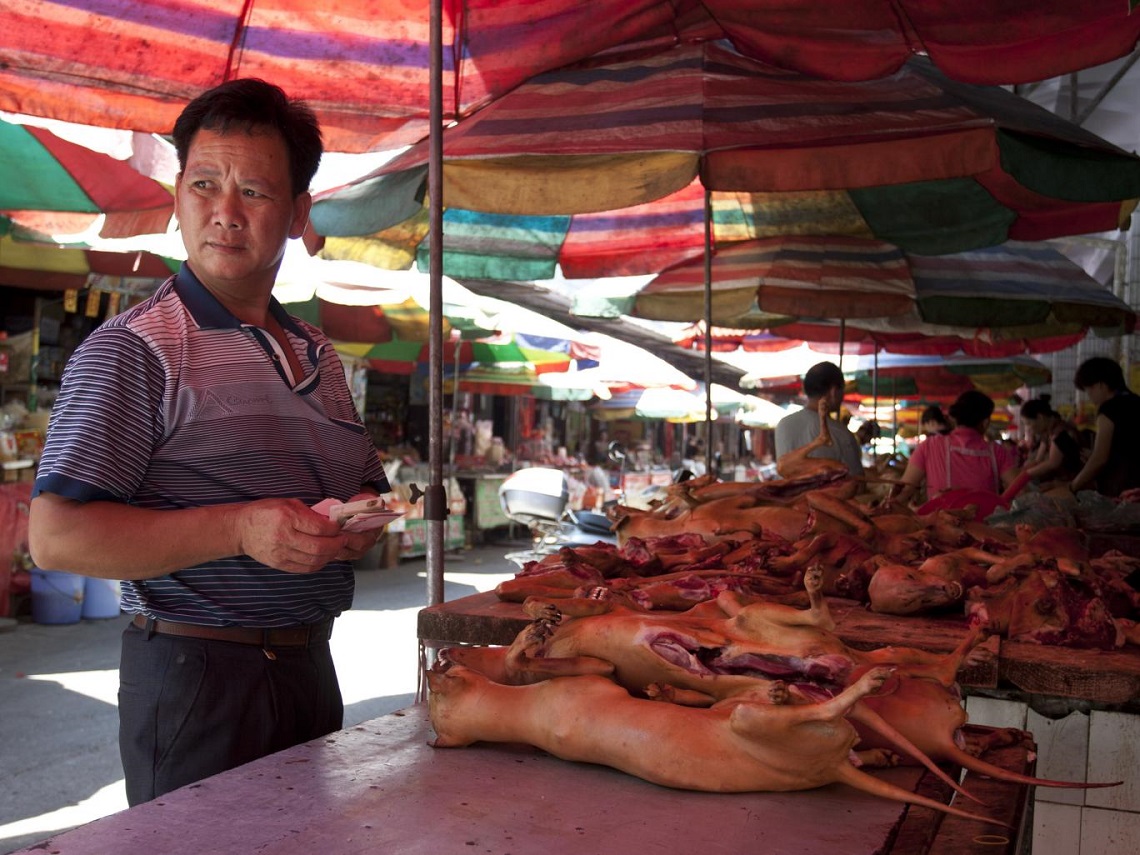
China is not such a good place for man’s best friend. Indeed, the Asian country slaughters 18 million dogs every year (derisory figure compared to 150 billion animals killed every year for food purposes).
Dog meat is a traditional dish of the Chinese culture. It is believed it improves male fertility and rejects evil spirits and diseases. Three years ago, Wang Yan, entrepreneur in the iron and steel industry, lost his dog. He looked for his animal everywhere, even in the dog slaughterhouse of his hometown, Changchun, north-eastern China.
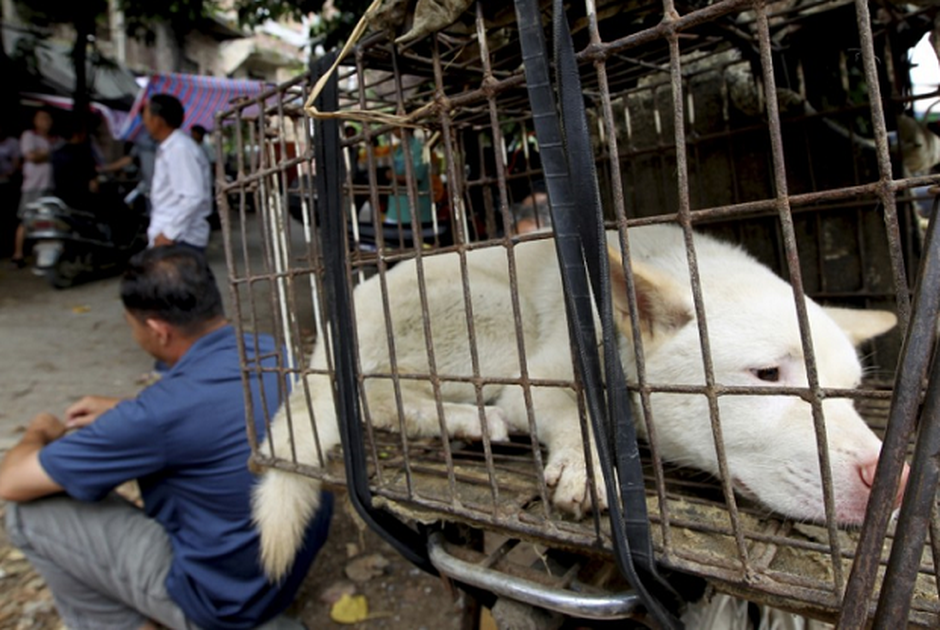
There, Wang Yan didn’t find his dog, but horror. Dogs are beaten and dragged on the floor, then “butchers” slit their throat with a knife. Animals often remain aware while bleeding to death. Dogs are thereafter skinned, boiled, cut in pieces, and sold to be eaten by someone.
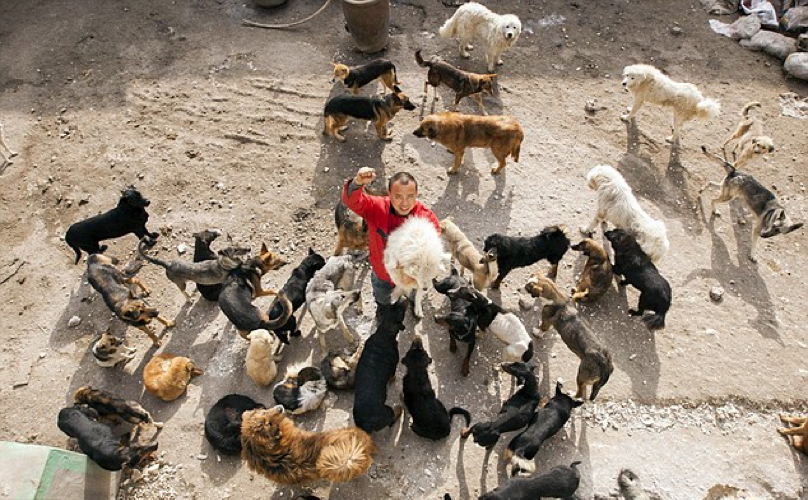
Yan thus realised how dogs are treated in China, and embarked on a mission: save as many dogs as he could. In 2012, he invested all his holdings to buy an abandoned slaughterhouse and turn it into a shelter for stray dogs, the “Changchun Animal Rescue Base”.
Ever since the shelter has been established, Yan rescued over 2,000 dogs, otherwise destined to the slaughterhouse. “There are 215 dogs at the base now, mostly came from the slaughterhouses, saved by volunteers and brought here,” he said.
Love for animals had a significant impact on the life of Yan, who has got into debt to keep the shelter open and buy food and medicines for his dogs. “I don’t accept cash donations, but instead hope to receive donations of food and other supplies for the dogs”.
Siamo anche su WhatsApp. Segui il canale ufficiale LifeGate per restare aggiornata, aggiornato sulle ultime notizie e sulle nostre attività.

Quest'opera è distribuita con Licenza Creative Commons Attribuzione - Non commerciale - Non opere derivate 4.0 Internazionale.
Pescasseroli, in the heart of Italy’s Apennines, will host the IBA conference on bear conservation and human–bear coexistence. LifeGate will be the event’s media partner.
Lo statunitense Marc Ching è riuscito ad ottenere la liberazione di numerosi animali in procinto di essere macellati e mangiati.
Ogni anno migliaia di cani vengono uccisi e cucinati a Yulin, in occasione del festival tradizionale per il solstizio d’estate.
The inflation caused by extreme weather events is known as “climateflation”: prices for many food products are expected to rise sharply.
The toll is still provisional, but data collected across several European countries indicate that tens of thousands of people have died as a result of extreme heat.
Last February, Malaysia imposed a total ban on electronic waste imports. Yet toxic e-waste continues to arrive from the United States and other countries through illegal trafficking networks.
Although Earth Overshoot Day falls six days later than in 2025, this does not represent an improvement. The shift is the result of revised estimates of the oceans’ carbon absorption capacity, while humanity’s actual ecological footprint continues to grow.
Gigantic wildfires in France’s Gironde region and near Madrid, Spain, have devastated tens of thousands of hectares of vegetation.
Greece has launched a wildfire management system based on nanosatellites and artificial intelligence. A model that other countries are now looking to replicate.