


Pescasseroli, in the heart of Italy’s Apennines, will host the IBA conference on bear conservation and human–bear coexistence. LifeGate will be the event’s media partner.
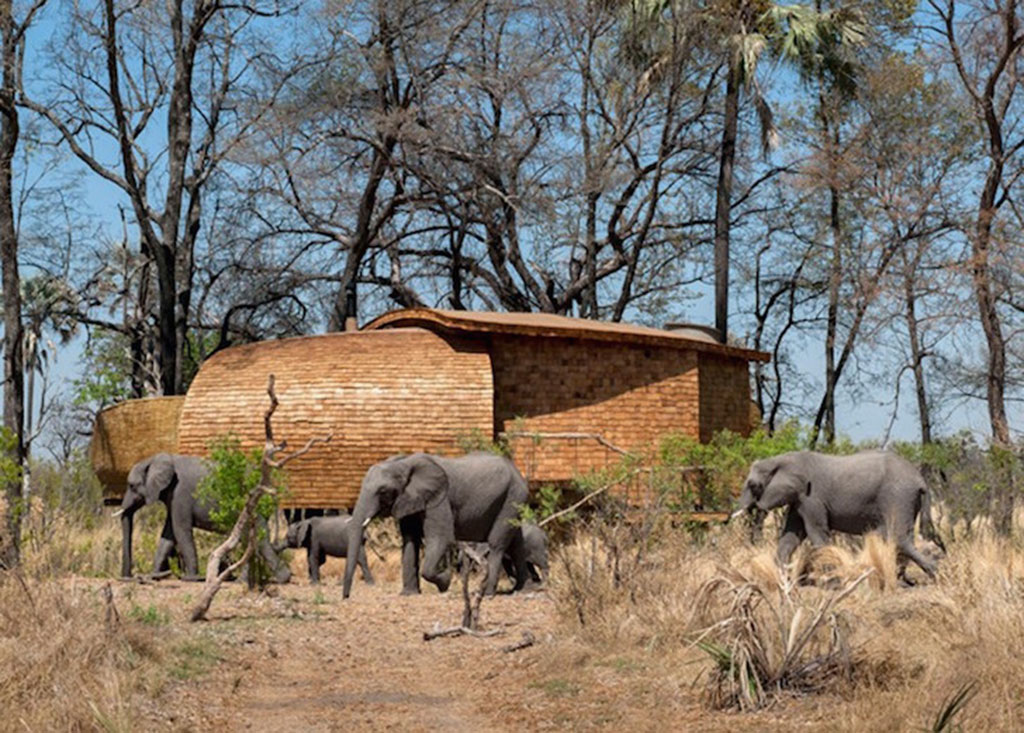
Along the delta of the Okavango River, Botswana, it is possible to admire African wild fauna without undermining the environmental balance of the natural reserve, which is a UNESCO world heritage site. The &Beyond Sandibe Okavango Safari Lodge resort, designed by Michaelis Boyd and Nick Plewman, offers all comforts and, at the same time, is respectful of nature.
Along the delta of the Okavango River, Botswana, it is possible to admire African wild fauna without undermining the environmental balance of the natural reserve, which is a UNESCO world heritage site. The &Beyond Sandibe Okavango Safari Lodge resort, designed by Michaelis Boyd and Nick Plewman, offers all comforts and, at the same time, is respectful of nature.
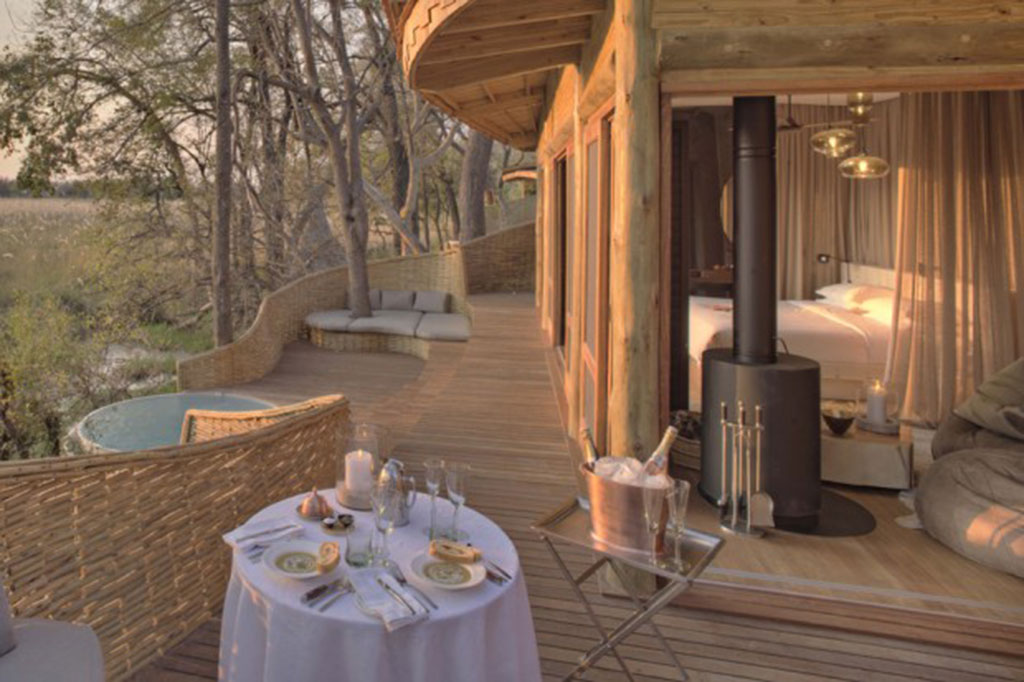
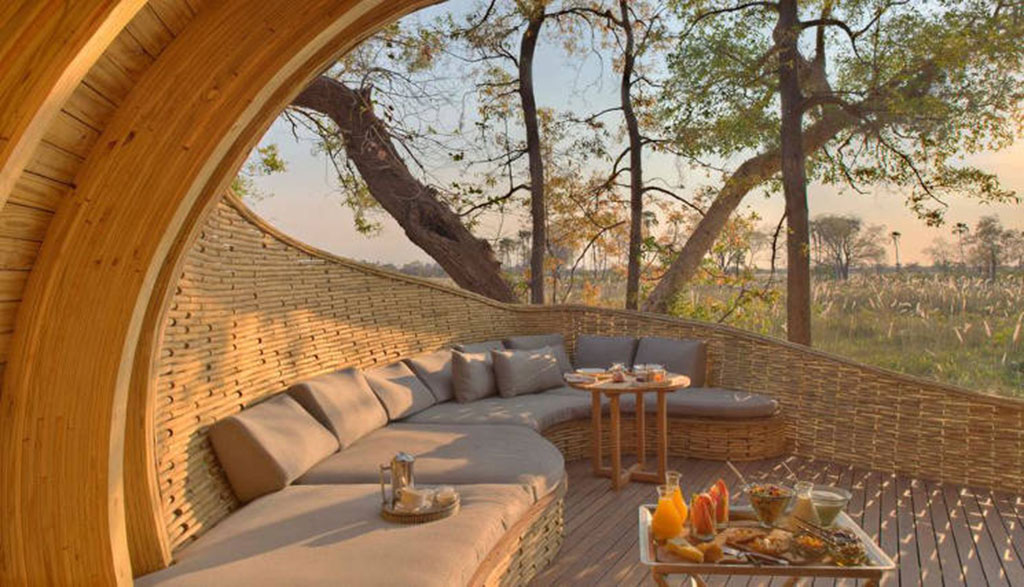
&Beyond Sandibe Okavango overlooks the Okavango River, almost merges with the reserve’s vegetation and animals and blends with the landscape thanks to its sinuous lines, recalling local stilt houses, and the unique use of sustainable materials such as wood and terracotta. The project, inspired by the pangolin shell, an African anteater, opens up to the water course by allowing ventilation and natural light to illuminate the rooms.
To keep the rooms comfortable all year long, the resort is equipped with the most modern renewable energy systems, the only artificial element in the whole building. This is due to the fact that the rooms, similar to nests among the trees, are covered with a wicker that reminds us of local craftsmanship and allows thermal insulation in the summer as well as in the winter, without employing air-conditioning systems.
The message that &Beyond Sandibe Okavango and architects Boyd and Plewman want to convey is that of an eco-friendly travel without sacrifices. The increasing demand of low impact buildings proves concern for environmental issues even in the luxury hotel sector. The renovation of the hotel in Botswana is one of these cases in which details are not neglected, including that of the respect for nature.
Siamo anche su WhatsApp. Segui il canale ufficiale LifeGate per restare aggiornata, aggiornato sulle ultime notizie e sulle nostre attività.

Quest'opera è distribuita con Licenza Creative Commons Attribuzione - Non commerciale - Non opere derivate 4.0 Internazionale.
Pescasseroli, in the heart of Italy’s Apennines, will host the IBA conference on bear conservation and human–bear coexistence. LifeGate will be the event’s media partner.
The inflation caused by extreme weather events is known as “climateflation”: prices for many food products are expected to rise sharply.
The toll is still provisional, but data collected across several European countries indicate that tens of thousands of people have died as a result of extreme heat.
Last February, Malaysia imposed a total ban on electronic waste imports. Yet toxic e-waste continues to arrive from the United States and other countries through illegal trafficking networks.
Although Earth Overshoot Day falls six days later than in 2025, this does not represent an improvement. The shift is the result of revised estimates of the oceans’ carbon absorption capacity, while humanity’s actual ecological footprint continues to grow.
Gigantic wildfires in France’s Gironde region and near Madrid, Spain, have devastated tens of thousands of hectares of vegetation.
Greece has launched a wildfire management system based on nanosatellites and artificial intelligence. A model that other countries are now looking to replicate.
According to analysts, the emergence of a “super” El Niño could trigger a global food price shock, adding to inflationary pressures already fuelled by the conflict with Iran.
Residents of Kanseche, Malawi, accuse ABF of contributing to the devastating 2022 floods through its subsidiary, Illovo Sugar.


