Renewable energy has surpassed coal for the first time in terms of global power generation, but its growth is not fast enough to triple installed capacity as planned. This is the key message of the latest report by the International Energy Agency (IEA), published on Tuesday, October 7.
Why tripling renewable capacity matters
The report notes that the global expansion of solar, wind, and hydropower remains strong, but is slowing down. At the current pace, by 2030—the deadline identified by the international community as a shared target—the total installed capacity of clean energy sources is expected to be 2.6 times higher than in 2022, falling short of the tripling goal.
Renewables 2025 is out!
It shows renewable power is continuing to grow strongly around the world, with global capacity set to more than double by 2030
As it grows, the sector is navigating headwinds in supply chains, grid integration & financing
This figure is also worse than the forecast in the previous report, published in October 2024. According to the IEA, this reflects “changes in policies, regulations, and markets” that have taken place over the past year.
The impact of policy shifts in China and the United States
The goal of tripling renewable installed capacity was first set at the conclusion of the 28th UN Climate Change Conference (COP28), held in Dubai in 2023. It is considered a crucial milestone in the energy transition, aimed at drastically reducing greenhouse gas emissions released into the atmosphere. Not surprisingly, the target has since been reaffirmed on several occasions.
The rise of variable renewables is placing growing pressures on electricity systems
Curtailment & negative prices are becoming more frequent, causing economic inefficiencies & deterring investment
This underscores the need for investment in grids, storage & flexible generation pic.twitter.com/bNFOSU14ww
According to the IEA, one of the main factors weighing on growth has been the early phase-out of federal tax incentives in the United States. As a result, the agency has cut its forecasts for the US renewable market by nearly 50 per cent compared to last year. A second drag on growth comes from China, which has shifted from a regulated tariff system to an auction-based one—a change that, the IEA says, “undermines project profitability.”
Positive trends in Europe and India are not enough
Overall, the report forecasts an increase of 4,600 gigawatts in global renewable energy capacity by 2030. This is still a massive expansion, equivalent to the current total power generation capacity of China, the European Union, and Japan combined. However, it is down from the 5,500 gigawatts projected in October 2024, which would have been sufficient to meet the tripling target. Positive developments in other regions—especially Europe and India—will not be enough to offset the slowdown in the United States and China.
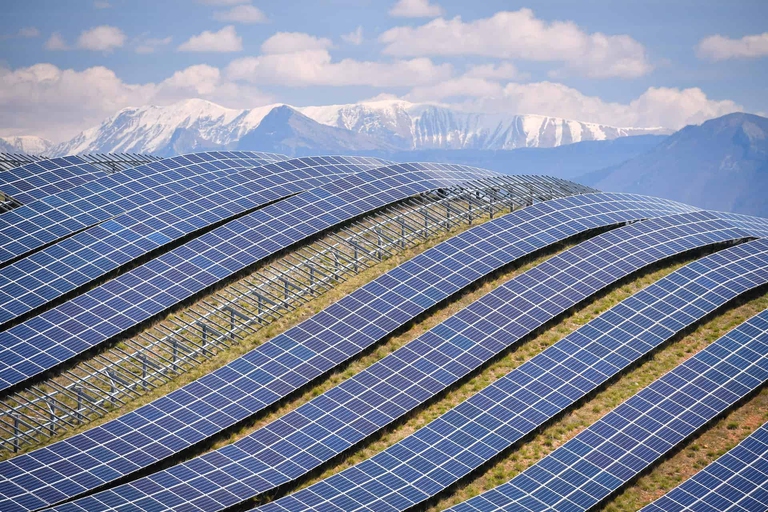
As for individual technologies, solar photovoltaics are set to dominate growth, accounting for around 80 per cent of global expansion over the next five years. Wind power ranks second, followed by hydropower, bioenergy, and geothermal energy.
The European Council and Parliament have reached an agreement on the European Commission’s proposal to deregulate new GMOs. But farming, organic agriculture, and environmental organizations are calling for it to be stopped.
South African court dismisses a major lawsuit by 140,000 Zambian women and children against Anglo American for Kabwe lead poisoning. A setback for affected communities enduring the lasting impact of lead contamination.
Controversial African land deals by Blue Carbon face skepticism regarding their environmental impact and doubts about the company’s track record, raising concerns about potential divergence from authentic environmental initiatives.