


Pescasseroli, in the heart of Italy’s Apennines, will host the IBA conference on bear conservation and human–bear coexistence. LifeGate will be the event’s media partner.
The United Nations General Assembly has approved for the first time and unanimously a resolution against poaching and illegal wildlife trade. Promoted by Gabon and Germany, the proposal was supported by over 70 countries, including Italy. The resolution was defined as historic and aims to stop the increasing demand – on the black market – of animals that
The United Nations General Assembly has approved for the first time and unanimously a resolution against poaching and illegal wildlife trade. Promoted by Gabon and Germany, the proposal was supported by over 70 countries, including Italy. The resolution was defined as historic and aims to stop the increasing demand – on the black market – of animals that are an “irreplaceable part of the natural systems of the Earth,” which, inevitably, fuel the offer.
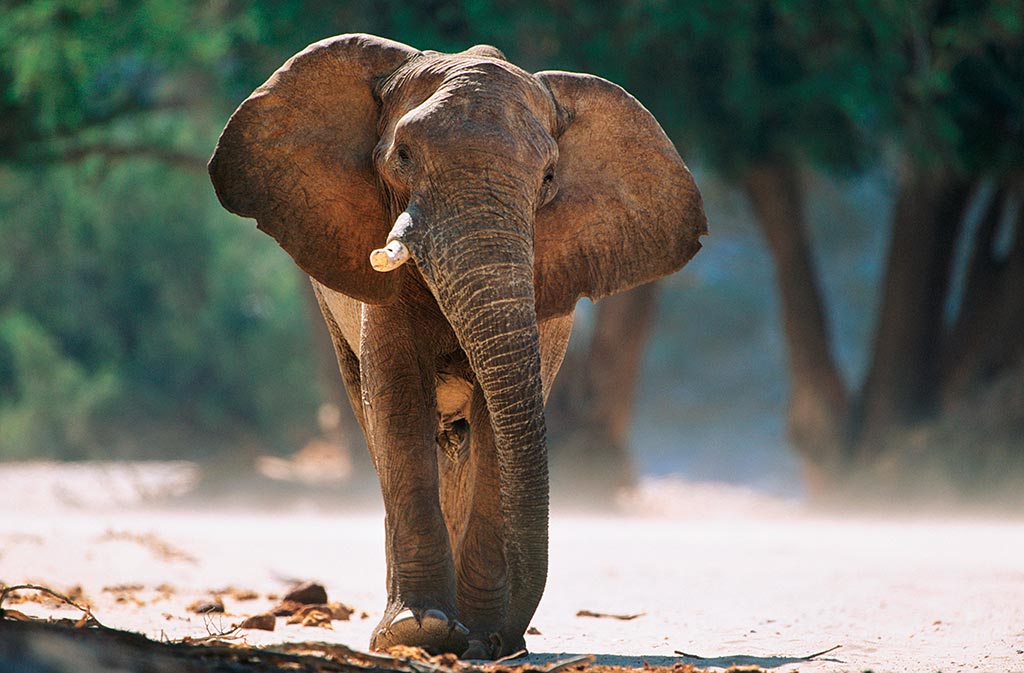
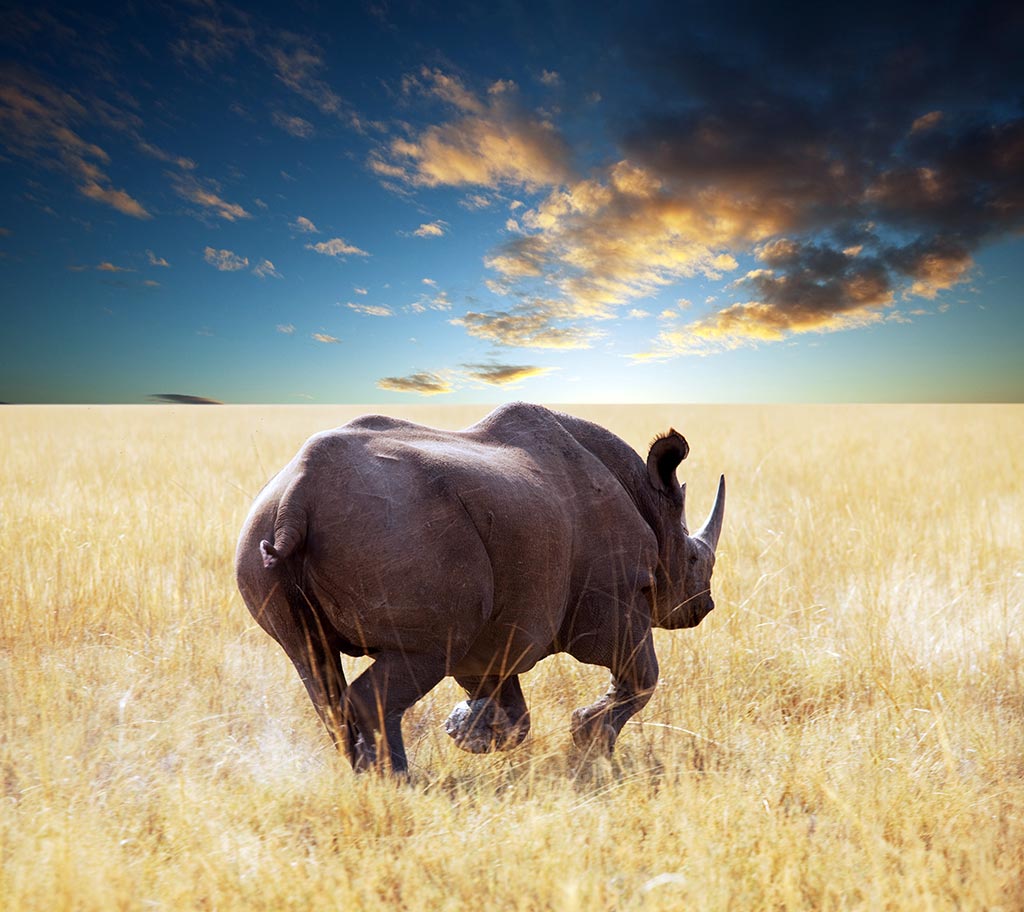
The General Assembly has expressed serious concern on the increase in rhino and elephant killings, respectively for horns and ivory. Despite it’s not legally binding, the decision urges the international community to “take decisive steps to prevent, combat and eradicate the illegal trade in wildlife”. It can be done through strengthening laws, the judicial system, and the cooperation among police forces, including the participation of local communities where pachyderms and other endangered species live.
“The UN resolution marks a new phase in the fight against wildlife crime, which is threatening countless species with extinction while jeopardizing national security and sustainable development,” said Marco Lambertini, Director General of WWF International. “This landmark resolution proves that ending wildlife crime is no longer just an ‘environmental’ issue and not just limited to a few countries: it has become a priority for every nation.”
According to NGOs’ data, China covers 70 per cent of the global ivory demand and it is responsible for the killing of 30,000 African elephants every year. Countries being affected by Chinese negative influences are Kenya and Tanzania, where elephants physically live, and Hong Kong, used as main port by poachers to sort illegal merchandise all over Asia.
Siamo anche su WhatsApp. Segui il canale ufficiale LifeGate per restare aggiornata, aggiornato sulle ultime notizie e sulle nostre attività.

Quest'opera è distribuita con Licenza Creative Commons Attribuzione - Non commerciale - Non opere derivate 4.0 Internazionale.
Pescasseroli, in the heart of Italy’s Apennines, will host the IBA conference on bear conservation and human–bear coexistence. LifeGate will be the event’s media partner.
The inflation caused by extreme weather events is known as “climateflation”: prices for many food products are expected to rise sharply.
The toll is still provisional, but data collected across several European countries indicate that tens of thousands of people have died as a result of extreme heat.
Last February, Malaysia imposed a total ban on electronic waste imports. Yet toxic e-waste continues to arrive from the United States and other countries through illegal trafficking networks.
Although Earth Overshoot Day falls six days later than in 2025, this does not represent an improvement. The shift is the result of revised estimates of the oceans’ carbon absorption capacity, while humanity’s actual ecological footprint continues to grow.
Gigantic wildfires in France’s Gironde region and near Madrid, Spain, have devastated tens of thousands of hectares of vegetation.
Greece has launched a wildfire management system based on nanosatellites and artificial intelligence. A model that other countries are now looking to replicate.
According to analysts, the emergence of a “super” El Niño could trigger a global food price shock, adding to inflationary pressures already fuelled by the conflict with Iran.
Residents of Kanseche, Malawi, accuse ABF of contributing to the devastating 2022 floods through its subsidiary, Illovo Sugar.


