


Pescasseroli, in the heart of Italy’s Apennines, will host the IBA conference on bear conservation and human–bear coexistence. LifeGate will be the event’s media partner.
8 centimetres since 1992. This is how much sea levels have risen due to ice melting and warming oceans. “It’s very likely to get worse”.
IPCC’s estimates probably resulted too reasonable. That’s what NASA researchers affirmed last Wednesday in a conference, when they claimed that sea levels have risen 8 centimetres since 1992, way faster than registered over the last 50 years.
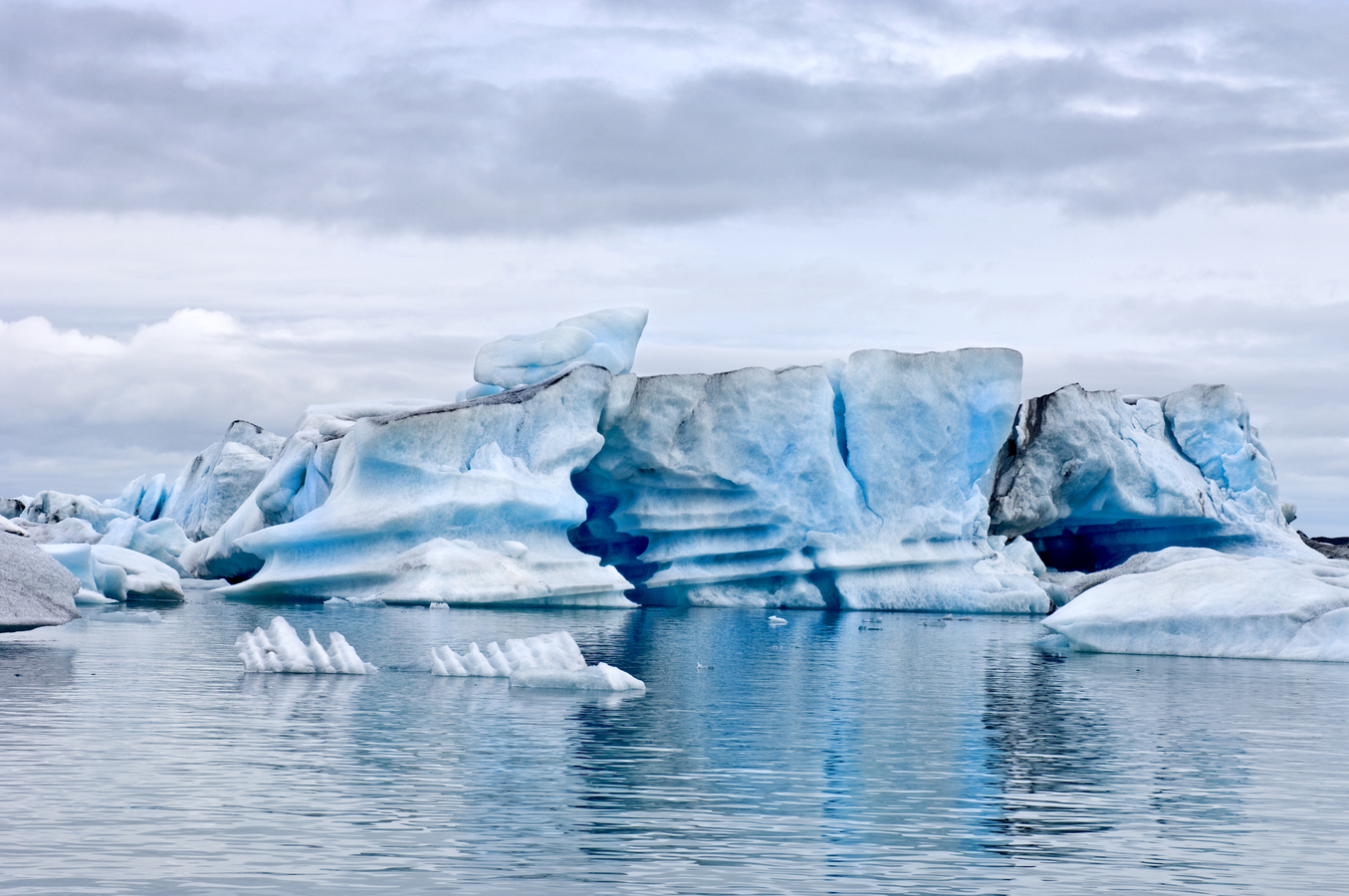
And “it’s very likely to get worse”, said Steve Nerem, geophysicist at the University of Colorado. The causes: climate change, melting ice, and warming oceans. “Significant changes are taking place today on ice sheets,” reports the Guardian, quoting the words of Eric Rignot, a glaciologist at the University of California in Irvine. “It would take centuries to reverse the trend of ice retreat.”
It’s not about catastrophism, nor unavoidability, but acknowledging that we are going through a change in our planet’s surface, and that it’s necessary to plan adaptation activities, particularly for people living along the coasts. “We have data you can now use to estimate what the impacts are going to be in the next 100 years,” said Tom Wagner, NASA scientist.
The scientist, as reported by RTTC News, explained how sea levels could rise 3 metres by the end of the century, if ice melts rapidly. “We’re seeing evidence that the ice sheets are waking up, but we need to understand them better before we can say we’re in a new era of rapid ice loss.”
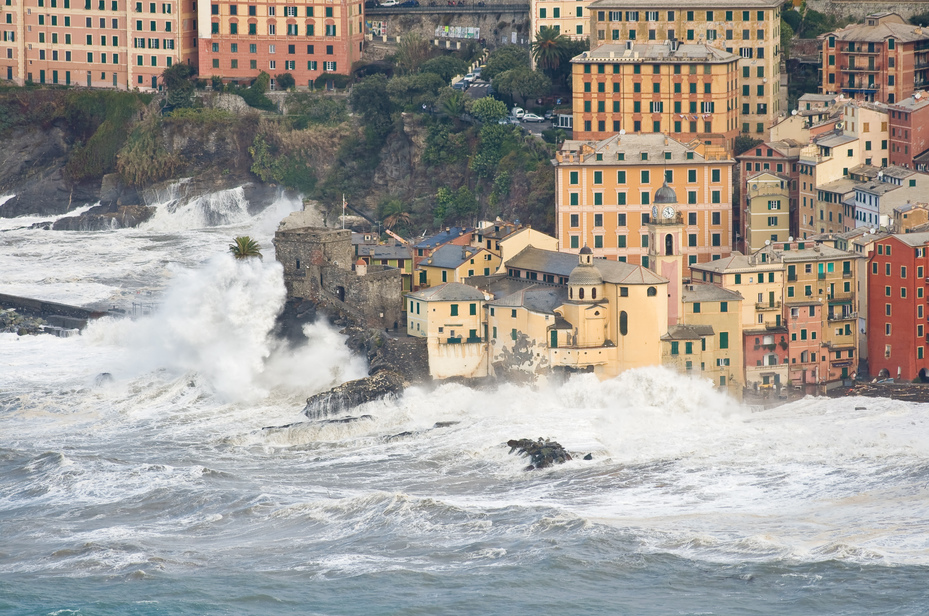
Meanwhile, last Monday, the ESA has spotted one of the largest icebergs ever seen, off the coast of Greenland, with a surface equal to the entire island of Manhattan.
Siamo anche su WhatsApp. Segui il canale ufficiale LifeGate per restare aggiornata, aggiornato sulle ultime notizie e sulle nostre attività.

Quest'opera è distribuita con Licenza Creative Commons Attribuzione - Non commerciale - Non opere derivate 4.0 Internazionale.
Pescasseroli, in the heart of Italy’s Apennines, will host the IBA conference on bear conservation and human–bear coexistence. LifeGate will be the event’s media partner.
The inflation caused by extreme weather events is known as “climateflation”: prices for many food products are expected to rise sharply.
The toll is still provisional, but data collected across several European countries indicate that tens of thousands of people have died as a result of extreme heat.
Last February, Malaysia imposed a total ban on electronic waste imports. Yet toxic e-waste continues to arrive from the United States and other countries through illegal trafficking networks.
Although Earth Overshoot Day falls six days later than in 2025, this does not represent an improvement. The shift is the result of revised estimates of the oceans’ carbon absorption capacity, while humanity’s actual ecological footprint continues to grow.
Gigantic wildfires in France’s Gironde region and near Madrid, Spain, have devastated tens of thousands of hectares of vegetation.
Greece has launched a wildfire management system based on nanosatellites and artificial intelligence. A model that other countries are now looking to replicate.
According to analysts, the emergence of a “super” El Niño could trigger a global food price shock, adding to inflationary pressures already fuelled by the conflict with Iran.
Residents of Kanseche, Malawi, accuse ABF of contributing to the devastating 2022 floods through its subsidiary, Illovo Sugar.


