


A report by the NGO network Climate Action Network proposes a series of concrete changes to revitalise the UN Climate Change Conferences.
The Dutch Government announced its will to appeal against the judgement that last June obliged it to cut CO2 emissions.
The Dutch government doesn’t agree. After being condemned in court last June to reduce its greenhouse gas emissions, the government of the Netherlands announced to the Parliament its desire to take legal action, thus opposing the judges’ decision. The court asked the government to “reduce CO2 emissions by 25 percent by 2020 of 1990 levels” explaining their judgement with “the duty of care of the State in respect of its citizens”.
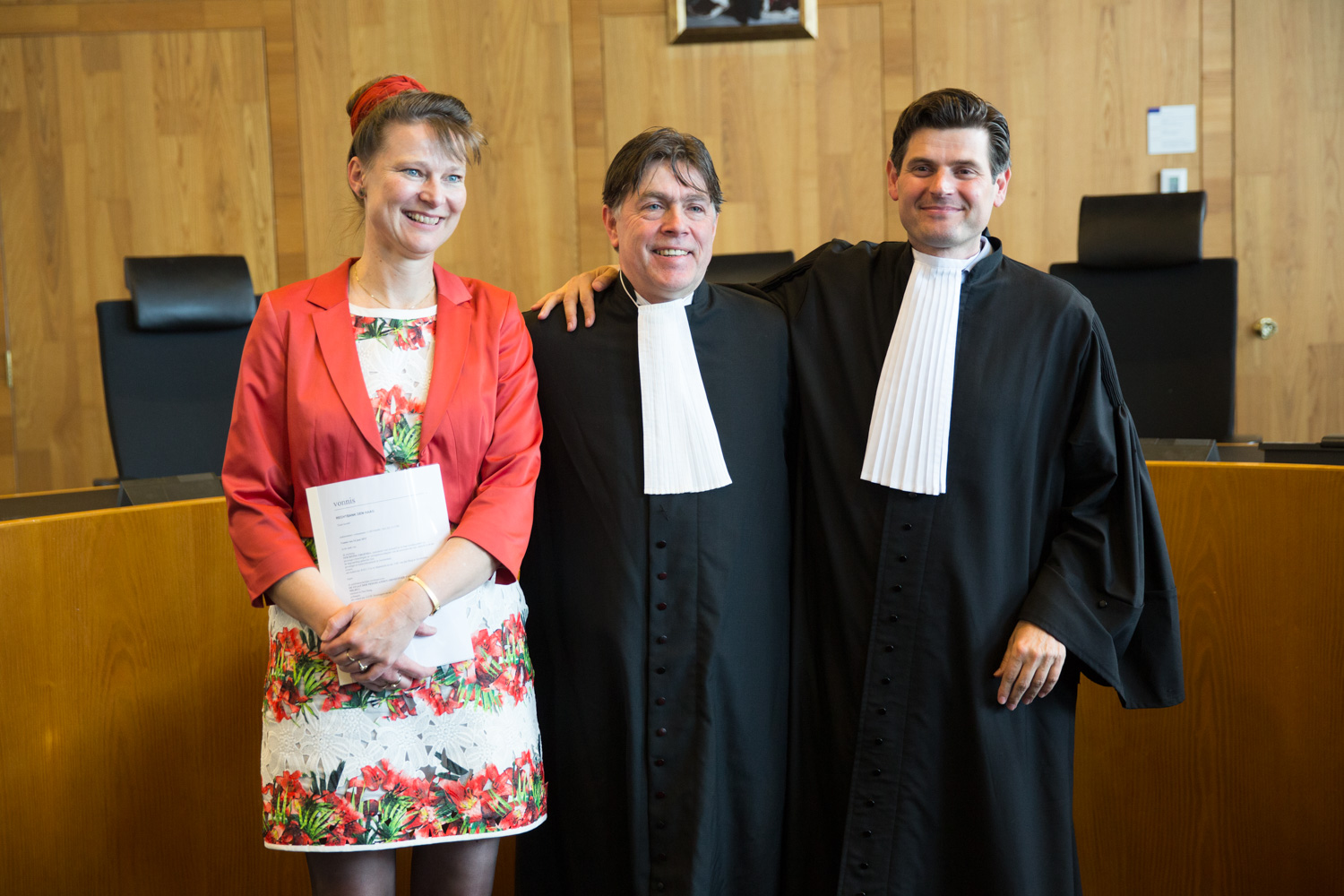
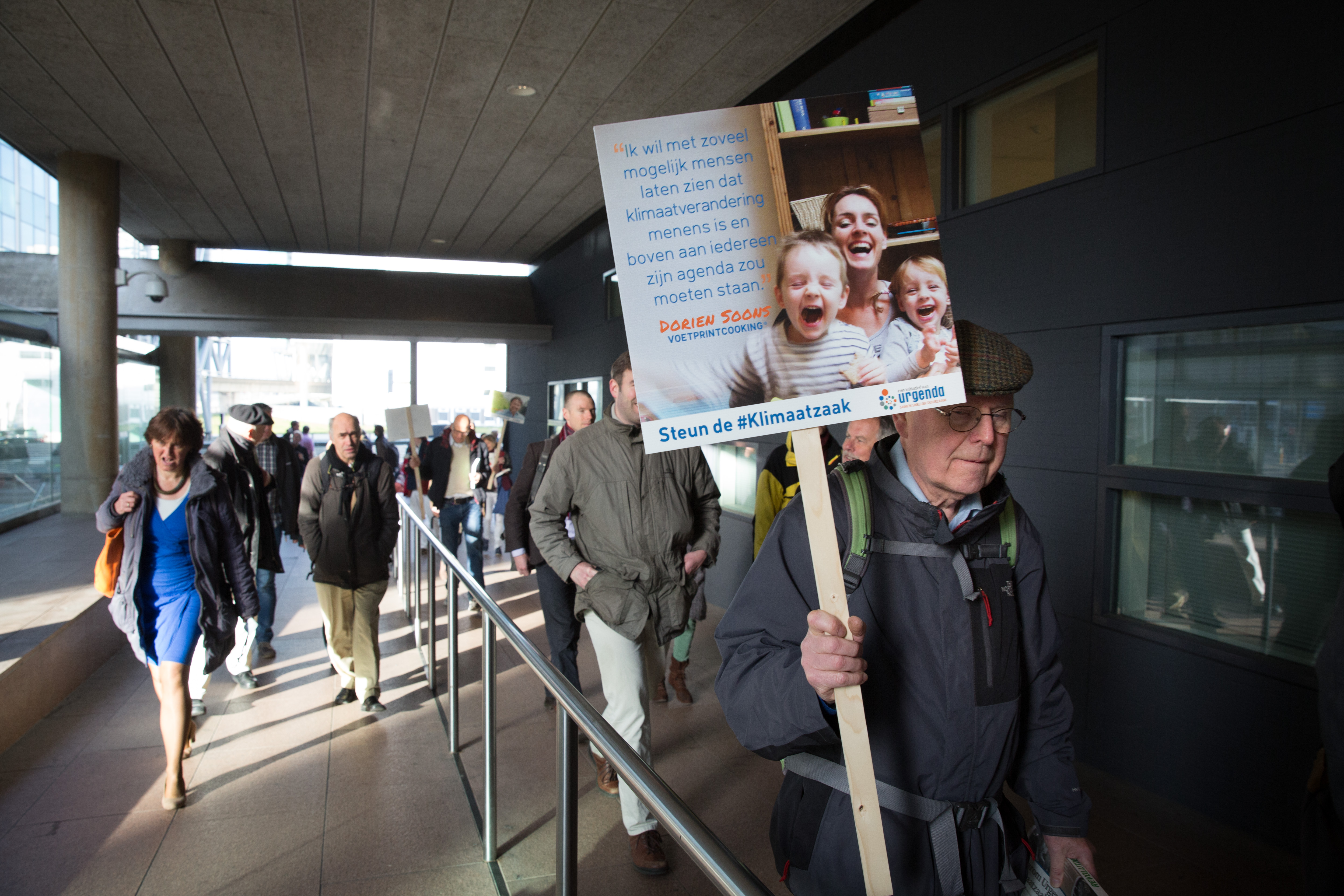
So, the court accepted entirely the requests of the 900 citizens who filed a lawsuit against the Government, united in a sort of “environmental class action” led by the NGO Urgenda. And the judgement made environmental associations all over the world exult: Greenpeace Netherlands, for example, felt free to define the verdict as “revolutionary”.
But now, it is necessary to continue the legal process: “We have full confidence in the outcome of the appeal” declared Marjan Minnesma, director of Urgenda. “The government knows 25% is not nearly enough if you consider the enormity of the dangers that climate change poses to us. Much more is needed, so we hope that politicians in the Netherlands will take their responsibility and make a true effort to speed up the transition towards a 100% sustainable economy”.
The will of the Government was announced to the Parliament through a public letter in the official website of the executive branch. Now the deputies are those in charge of organising debates and lectures of experts on the topic aiming to give the Government advice about the opportunity to oppose the verdict of first instance. All this should be completed quickly, since the deadline to appeal is 24th September.
Siamo anche su WhatsApp. Segui il canale ufficiale LifeGate per restare aggiornata, aggiornato sulle ultime notizie e sulle nostre attività.

Quest'opera è distribuita con Licenza Creative Commons Attribuzione - Non commerciale - Non opere derivate 4.0 Internazionale.
A report by the NGO network Climate Action Network proposes a series of concrete changes to revitalise the UN Climate Change Conferences.
Pescasseroli, in the heart of Italy’s Apennines, will host the IBA conference on bear conservation and human–bear coexistence. LifeGate will be the event’s media partner.
The inflation caused by extreme weather events is known as “climateflation”: prices for many food products are expected to rise sharply.
The toll is still provisional, but data collected across several European countries indicate that tens of thousands of people have died as a result of extreme heat.
Last February, Malaysia imposed a total ban on electronic waste imports. Yet toxic e-waste continues to arrive from the United States and other countries through illegal trafficking networks.
Although Earth Overshoot Day falls six days later than in 2025, this does not represent an improvement. The shift is the result of revised estimates of the oceans’ carbon absorption capacity, while humanity’s actual ecological footprint continues to grow.
Gigantic wildfires in France’s Gironde region and near Madrid, Spain, have devastated tens of thousands of hectares of vegetation.
Greece has launched a wildfire management system based on nanosatellites and artificial intelligence. A model that other countries are now looking to replicate.
According to analysts, the emergence of a “super” El Niño could trigger a global food price shock, adding to inflationary pressures already fuelled by the conflict with Iran.


