



A report by the NGO network Climate Action Network proposes a series of concrete changes to revitalise the UN Climate Change Conferences.
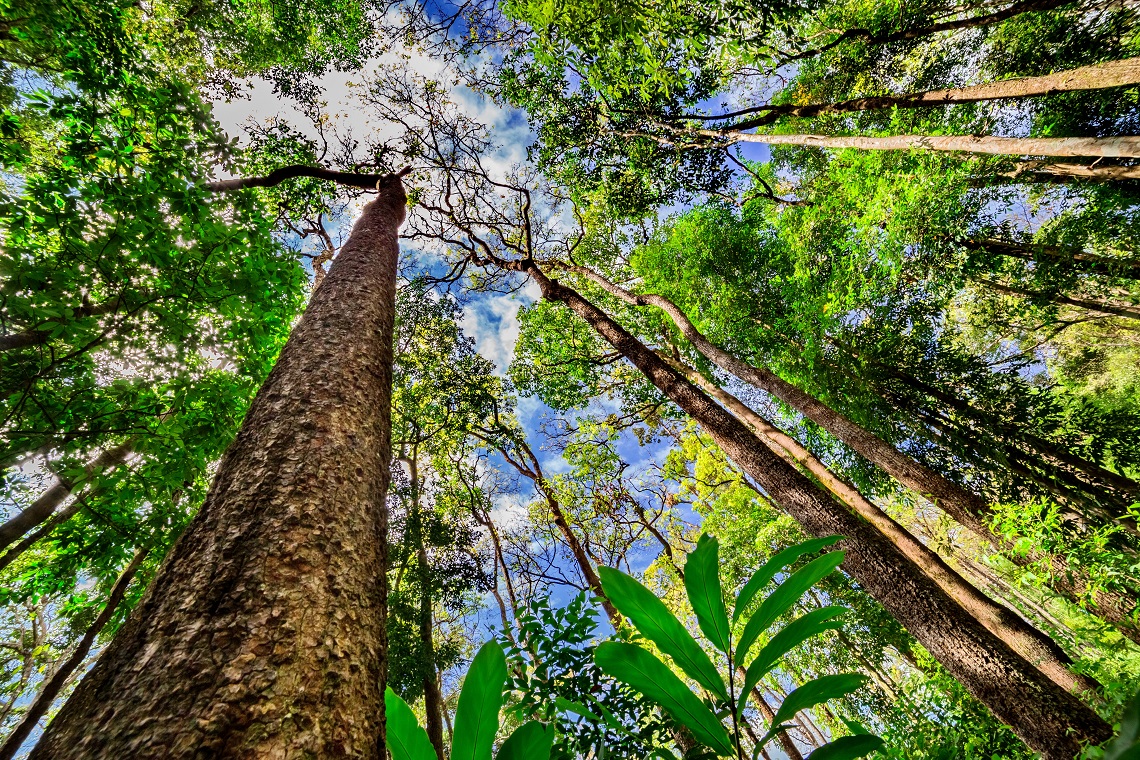
A Brazilian court suspended the decree issued by President Temer to abolish the RENCA nature reserve in the Amazon forest and open it to mining exploration.
The Reserva Nacional de Cobre e Associadas (RENCA) is Brazil’s largest nature reserve located in the heart of the Amazon forest. On 23 August, Brazilian president Michel Temer signed a decree to abolish the reserve and open it to commercial mineral exploration.
The news caused widespread outrage all over the world, including among Brazilian citizens. This led Brasilia’s federal judge Rolando Valcir Spanholo to suspend the decree with immediate effect and decide to accept a popular petition presented in the past few days.
The nature reserve, which covers over 46,000 square kilometres between the states of Amapa and Para, lures many mining companies for the exploitation of precious resources including gold, copper, tantalum, iron ores, nickel and manganese. Fortunately, this gold rush has been nipped in the bud because, as explained by the federal court, a decision of this kind requires the Congress’ intervention.
The news that the decree was suspended has been welcome with joy by conservation and indigenous rights associations, and by all those who have the unique biodiversity of the Planet’s last green lung at heart. Randolfe Rodrigues, senator of the opposition and member of the Sustainbaility Network Party, said that the reserve survived “the biggest attack on the Amazon of the last 50 years“.
Siamo anche su WhatsApp. Segui il canale ufficiale LifeGate per restare aggiornata, aggiornato sulle ultime notizie e sulle nostre attività.

Quest'opera è distribuita con Licenza Creative Commons Attribuzione - Non commerciale - Non opere derivate 4.0 Internazionale.
A report by the NGO network Climate Action Network proposes a series of concrete changes to revitalise the UN Climate Change Conferences.
Pescasseroli, in the heart of Italy’s Apennines, will host the IBA conference on bear conservation and human–bear coexistence. LifeGate will be the event’s media partner.
The inflation caused by extreme weather events is known as “climateflation”: prices for many food products are expected to rise sharply.
The toll is still provisional, but data collected across several European countries indicate that tens of thousands of people have died as a result of extreme heat.
Last February, Malaysia imposed a total ban on electronic waste imports. Yet toxic e-waste continues to arrive from the United States and other countries through illegal trafficking networks.
Although Earth Overshoot Day falls six days later than in 2025, this does not represent an improvement. The shift is the result of revised estimates of the oceans’ carbon absorption capacity, while humanity’s actual ecological footprint continues to grow.
Gigantic wildfires in France’s Gironde region and near Madrid, Spain, have devastated tens of thousands of hectares of vegetation.
Greece has launched a wildfire management system based on nanosatellites and artificial intelligence. A model that other countries are now looking to replicate.
According to analysts, the emergence of a “super” El Niño could trigger a global food price shock, adding to inflationary pressures already fuelled by the conflict with Iran.


