


Pescasseroli, in the heart of Italy’s Apennines, will host the IBA conference on bear conservation and human–bear coexistence. LifeGate will be the event’s media partner.
In Iran sopravvivono appena cento esemplari di ghepardo asiatico, specie minacciata dalla perdita di habitat, dalla riduzione delle prede e dal conflitto con i pastori.
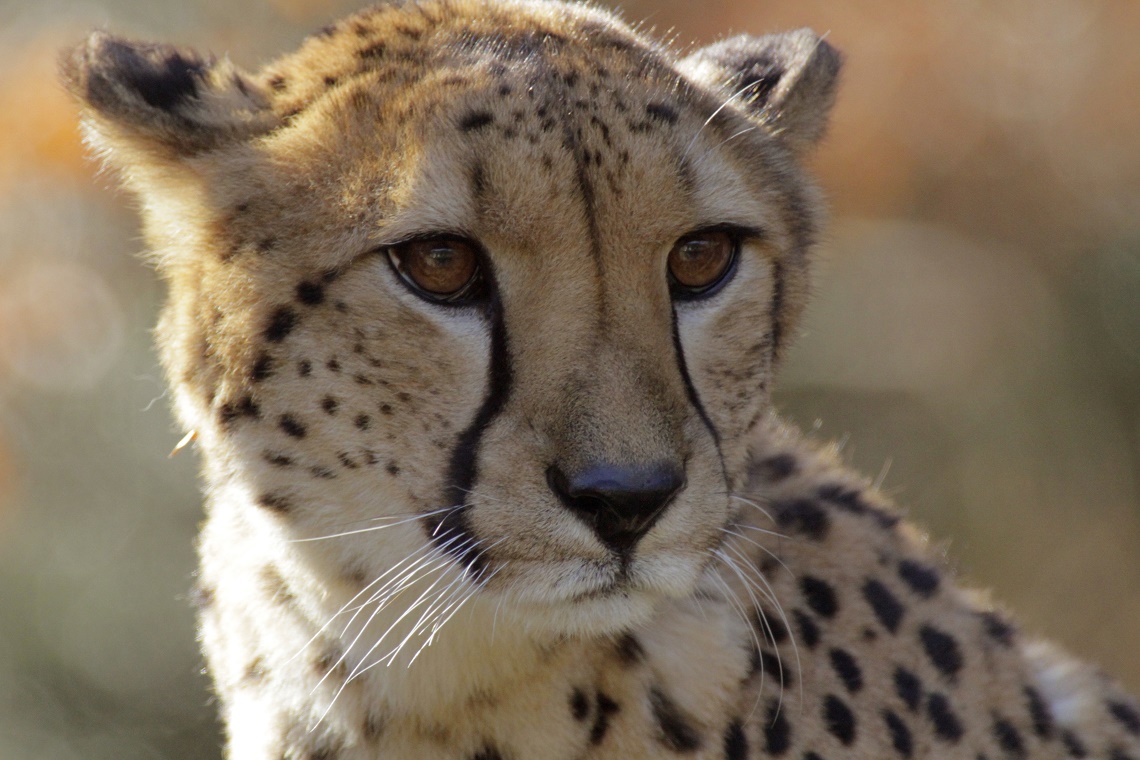
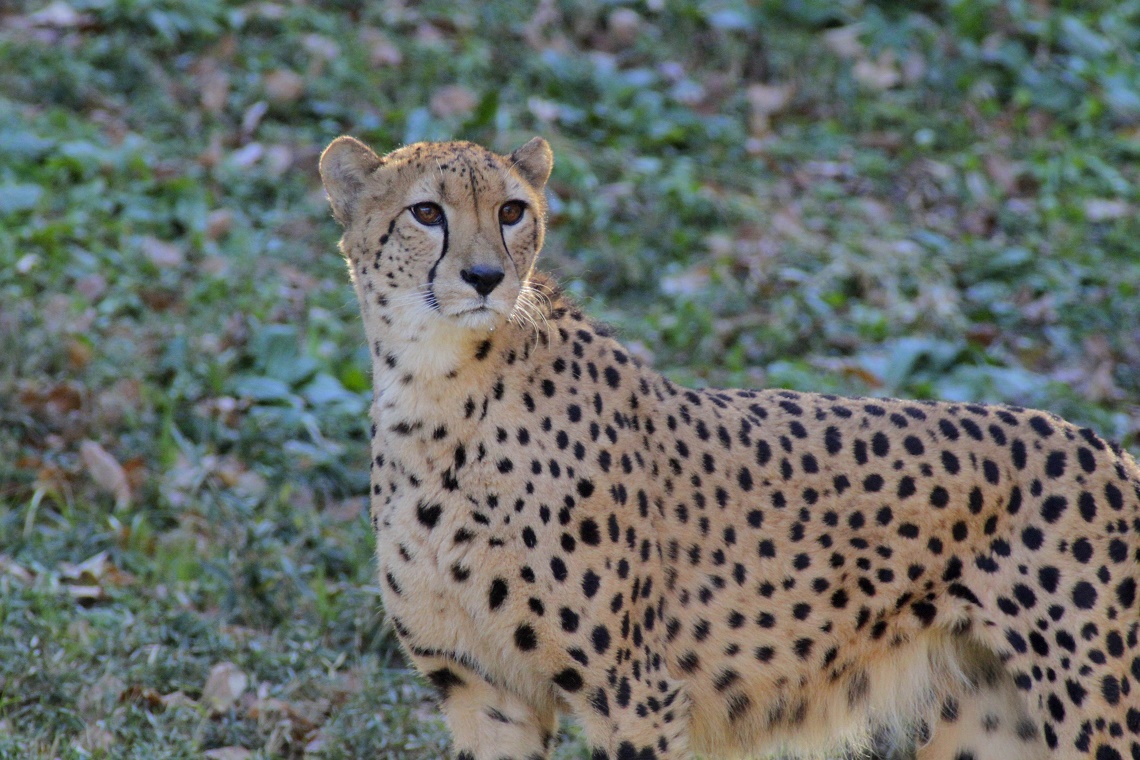
The Asiatic cheetah (Acinonyx jubatus venaticus) is one of the fastest creatures on the planet. It can run at more than 90 kilometres per hour and is able to map the surrounding space easily. Yet, its unique speed won’t be enough to save this animal from extinction.
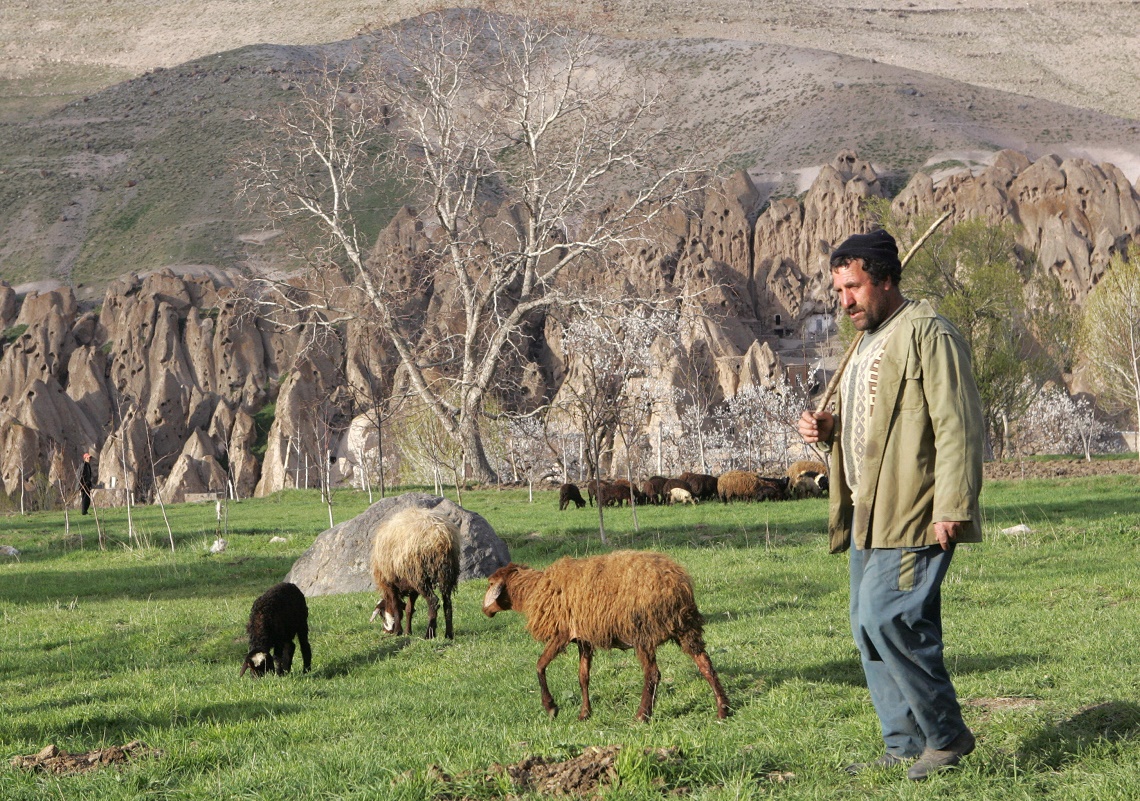
Asiatic cheetahs, which have genetically differentiated from their African cousins more than 30,000 years ago, once roamed Asia far and wide, from Saudi Arabia to India. But today they only survive in Iran. Their numbers have drastically decreased (from about 400 individuals in the 1990’s) due to habitat loss and hunting, which decimated cheetahs’ main preys, gazelles. Conflicts between cheetahs and humans, particularly with shepherds, have increased, contributing to the decline.
The Asiatic cheetah only survives in Iran with only 100 individuals in the wild. The species is one of the most endangered mammals of the planet and is listed as critically endangered by the IUCN Red List. Over the past few years, Iran has intensified efforts to protect cheetahs through conservation and raising awareness projects.
Many individuals are kept in different zoos all over the world in order to preserve their genetic variability and successively reintroduce them back into the wild. “The decline of the species has led to the crossbreed between related individuals, leading the species ever close to extinction,” said Cesare Avesani Zaborra, scientific director of Parco Natura Viva, northern Italy, which is home to Teo, Duma, and Mookane, three male African cheetahs.
Siamo anche su WhatsApp. Segui il canale ufficiale LifeGate per restare aggiornata, aggiornato sulle ultime notizie e sulle nostre attività.

Quest'opera è distribuita con Licenza Creative Commons Attribuzione - Non commerciale - Non opere derivate 4.0 Internazionale.
Pescasseroli, in the heart of Italy’s Apennines, will host the IBA conference on bear conservation and human–bear coexistence. LifeGate will be the event’s media partner.
Ecuador’s shrimp exports continue to grow, but the country’s mangrove ecosystems are paying the highest price.
Its oceanic microclimate, fertile soils, and the alternation of rain and sunshine make Normandy the ideal place for flax cultivation. A journey through the region offers a close-up look at the European flax supply chain, from cultivation to fibre processing.
Our species took its first steps in a world covered in trees. Today, forests offer us sustenance, shelter, and clean the air that we breathe.
Poachers in Africa are encroaching on wildlife land and killing rhinos in travel hot spots now devoid of visitors due to the coronavirus pandemic.
Actor and environmental activist Leonardo DiCaprio has contributed two million dollars to a fund to protect Virunga National Park in Congo from threats such as terrorism, the coronavirus and poaching.
For the first time in seventeen years, Iceland’s two main whaling companies won’t resume whale hunting. The announcement concerns this year’s season but could carry into the future.
The relationship between the coronavirus and wildlife is complex: while the pandemic may lead to a reduction in the illegal trade in wild animals, it may also encourage it in other respects.
The largest coral reef in the world is severely threatened by climate change, but researchers are developing strategies that could contribute to saving the Great Barrier Reef.