Legends and truths about narwhals, the mysterious unicorns of the Arctic
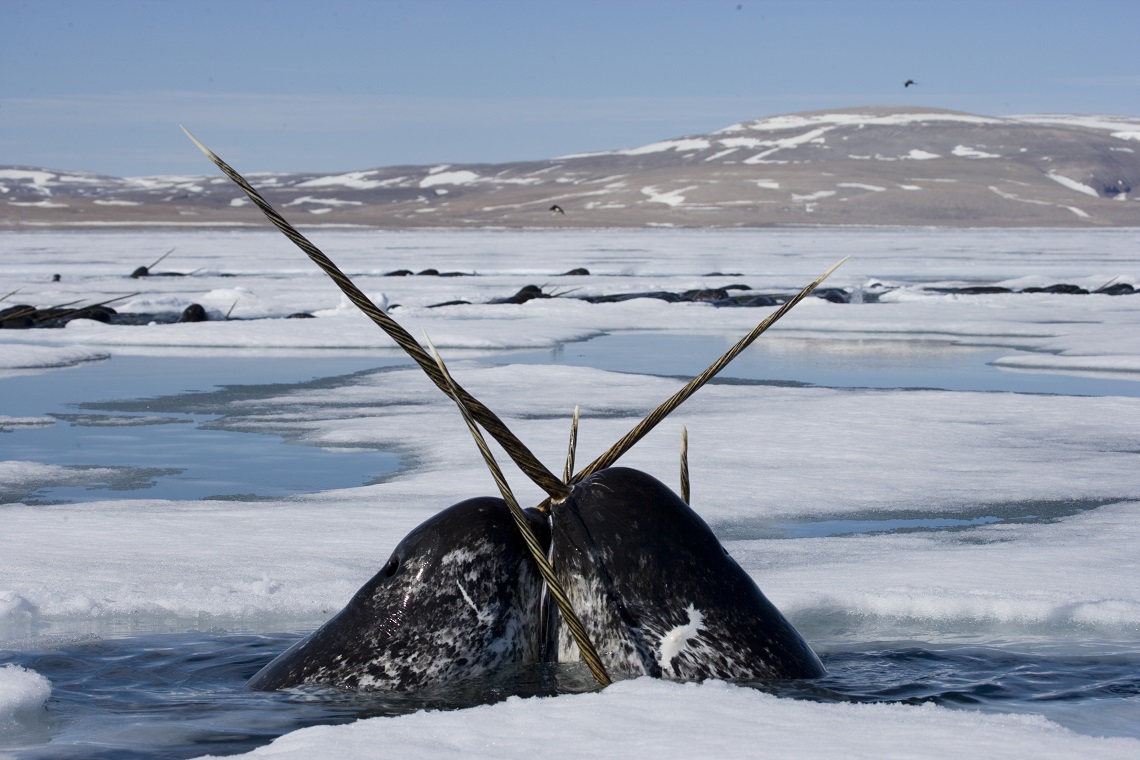
A narwhal wielding its broken tusk as it catches a breath.
Il corno del narvalo è un dente, molto sensibile, e non viene utilizzato per infilzare il cibo, come una sorta di kebab marino.
A narwhal wielding its broken tusk as it catches a breath.
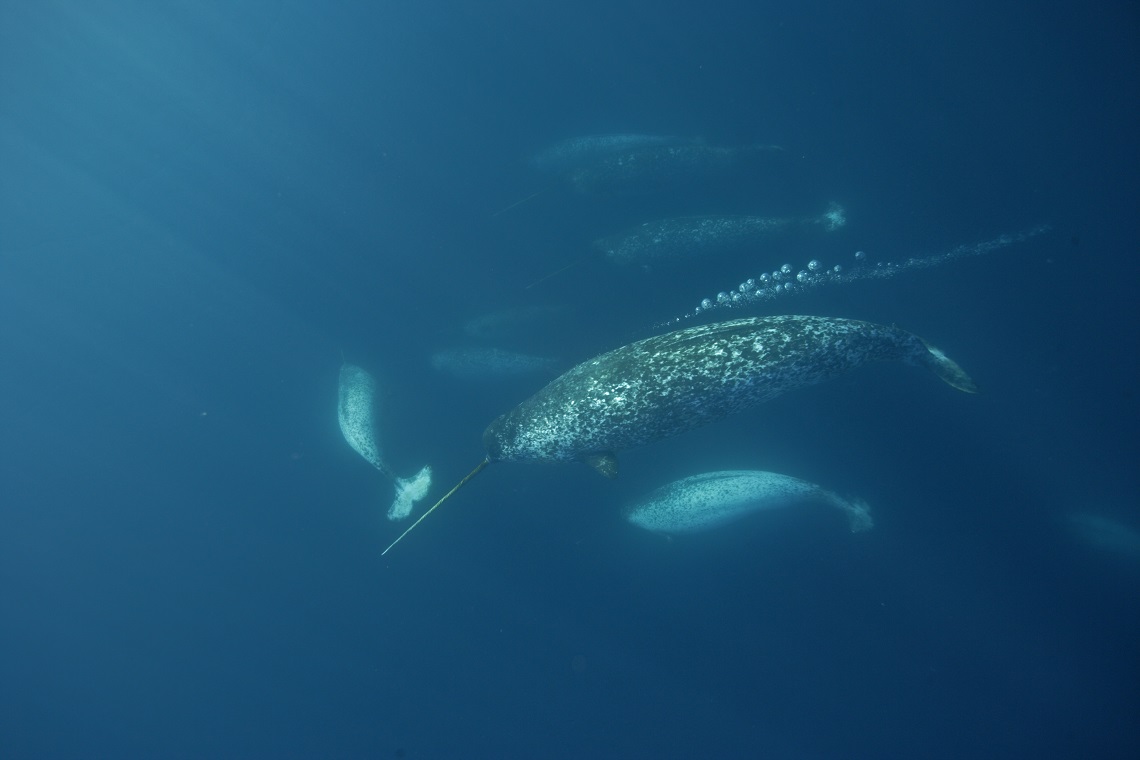
Unicorns don’t exist (or maybe they do). Narwhals aren’t horses with horns in their foreheads, but cetaceans with a long tooth emerging from their upper lips, in males, forming a long spiral sword.
Narwhals (Monodon monoceros) are one of the most iconic and mysterious creatures of the Arctic and have intrigued explorers and scientists for hundreds of years, probably also spawning legends about unicorns. Despite scientific developments, a lot about these animals is still unknown, also due to the remote, wild places they live in. For these reasons, there are many wrong beliefs regarding them.
“A lot of people really don’t believe they’re still alive,” says Martin Nweeia of Harvard University. According to one of the most widespread myths about these marine mammals, narwhals spear their food, like fish and squids, with their “tusks”.
This isn’t true, mainly for practical reasons. Narwhals’ teeth can reach up to 3 metres in length, but the prey they feed on are pretty small and would be very difficult to spear. And even if a narwhal did spear its prey, it wouldn’t able to reach it.
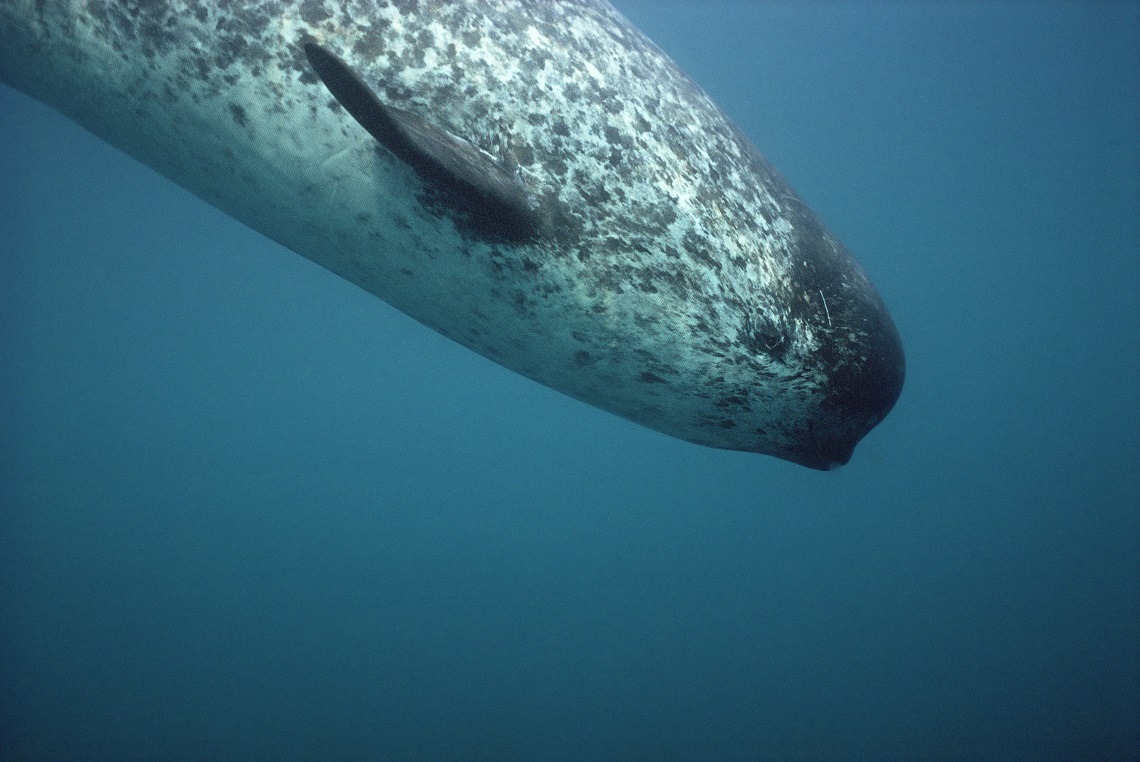
Narwhals belong to a group of animals known as toothed whales; however, they don’t chew the food they eat. They actually don’t have teeth in their mouth: the only one they have is their characteristic “tusk”.
In order to explain the functions of narwhals’ teeth, many theories have been formed: defence or attack weapon, ice-breaker, courting instrument, respiratory organ. According to the study “Sensory ability in the narwhal tooth organ system”, published by The Anatomical Record in 2014, the narwhal’s tooth has sensory nerve endings, which help these cetaceans feel sea temperatures and changes in water salinity, and perhaps find their mates and prey.
Narwhals are currently threatened by climate change and the increasingly destructive impacts of human activity in the Arctic. In particular, it is thought that noise pollution disturbs the communication and orientation of these shy cetaceans.
Its oceanic microclimate, fertile soils, and the alternation of rain and sunshine make Normandy the ideal place for flax cultivation. A journey through the region offers a close-up look at the European flax supply chain, from cultivation to fibre processing.
Actor and environmental activist Leonardo DiCaprio has contributed two million dollars to a fund to protect Virunga National Park in Congo from threats such as terrorism, the coronavirus and poaching.
For the first time in seventeen years, Iceland’s two main whaling companies won’t resume whale hunting. The announcement concerns this year’s season but could carry into the future.
The relationship between the coronavirus and wildlife is complex: while the pandemic may lead to a reduction in the illegal trade in wild animals, it may also encourage it in other respects.
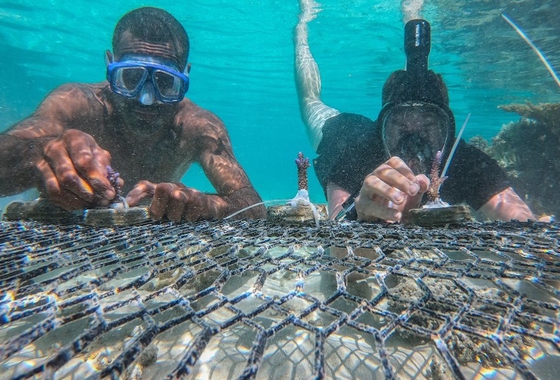
The largest coral reef in the world is severely threatened by climate change, but researchers are developing strategies that could contribute to saving the Great Barrier Reef.