


A report by the NGO network Climate Action Network proposes a series of concrete changes to revitalise the UN Climate Change Conferences.
In occasion of the fair Première Vision, Greenpeace announces the new company that joined the Detox project: Lampo zips by Giovanni Lanfranchi.
Greenpeace is still standing up against the textile industry that uses toxic substances polluting water courses. Since 2011 up to now, thirty-one clothing brands, that have committed themselves to avoid using dangerous chemicals for the Planet when realising their products, joined with the international organisation for environmental protection, thanks to the Detox programme.
Yesterday, during the opening of the international fashion and textile fair taking place every year in Paris, the non-profit association announced that Lampo, a brand of the company Giovanni Lanfranchi, a global manufacturer of zips, had joined the project.
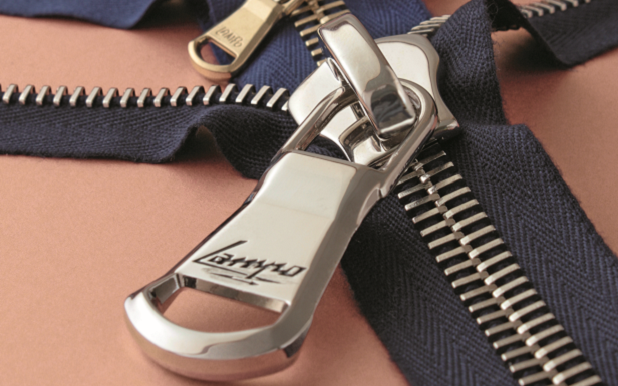
It is a legendary company in the history of the Italian textile industry, since in the ‘30s it was the one to introduce for the first time this new method of zip fastening in this country. From then on, its reputation led it to become one of the major providers of famous fashion houses like Versace, Gucci, Armani and Dolce&Gabbana.
Also thanks to the company’s project “I feel green”, aimed to protect the environment, Lampo managed to eliminate ten of the eleven groups of toxic chemicals disapproved by Greenpeace (alkylphenols, phthalates, brominated and chlorinated flame retardants, azo dyes, tin organic compounds, PFC, chlorinated solvents, chlorophenol, short-chain chlorinated paraffins and heavy metals), becoming the 32th member of the Detox campaign.
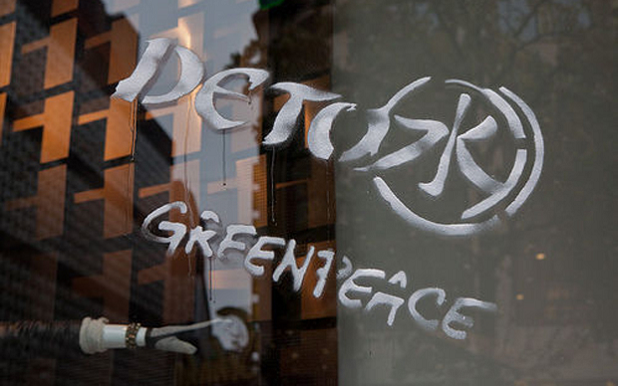
“The commitment of the company Giovanni Lanfranchi demonstrates that today the fashion industry can do without toxic chemicals even in complex making processes like those required in the production of zips”, said Giuseppe Ungherese, head of Greenpeace’s campaign against pollution. “A really ambitious challenge for a company that usually uses very aggressive chemicals to treat metal”.
Siamo anche su WhatsApp. Segui il canale ufficiale LifeGate per restare aggiornata, aggiornato sulle ultime notizie e sulle nostre attività.

Quest'opera è distribuita con Licenza Creative Commons Attribuzione - Non commerciale - Non opere derivate 4.0 Internazionale.
A report by the NGO network Climate Action Network proposes a series of concrete changes to revitalise the UN Climate Change Conferences.
Pescasseroli, in the heart of Italy’s Apennines, will host the IBA conference on bear conservation and human–bear coexistence. LifeGate will be the event’s media partner.
Greenpeace, dopo aver dimostrato la presenza di PFC nell’abbigliamento outdoor, sta cercando di capire quanto questo possa aver inquinato l’ambiente.
The inflation caused by extreme weather events is known as “climateflation”: prices for many food products are expected to rise sharply.
The toll is still provisional, but data collected across several European countries indicate that tens of thousands of people have died as a result of extreme heat.
Last February, Malaysia imposed a total ban on electronic waste imports. Yet toxic e-waste continues to arrive from the United States and other countries through illegal trafficking networks.
Although Earth Overshoot Day falls six days later than in 2025, this does not represent an improvement. The shift is the result of revised estimates of the oceans’ carbon absorption capacity, while humanity’s actual ecological footprint continues to grow.
Gigantic wildfires in France’s Gironde region and near Madrid, Spain, have devastated tens of thousands of hectares of vegetation.
Greece has launched a wildfire management system based on nanosatellites and artificial intelligence. A model that other countries are now looking to replicate.


