




Pescasseroli, in the heart of Italy’s Apennines, will host the IBA conference on bear conservation and human–bear coexistence. LifeGate will be the event’s media partner.
In Siberia un gruppo di ricercatori russi ha trovato i resti ben conservati di cuccioli di leone delle caverne risalenti ad almeno 10mila anni fa.
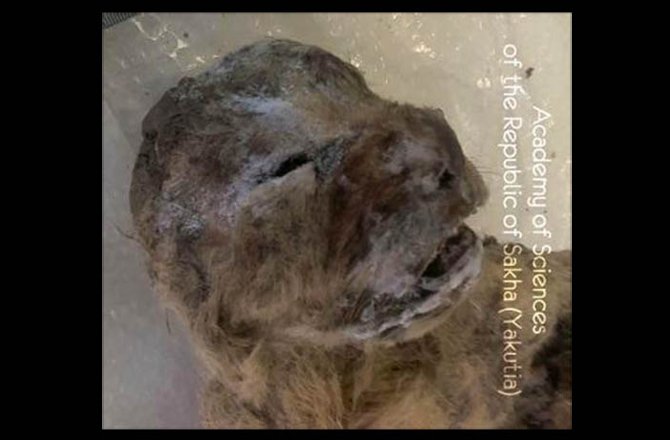
An incredible window into the Ice Age has been opened today. It allows us looking back thousands of years. In fact, two 1,000-year-old cubs of cave lion (Panthera leo spelea) have been found in the Siberian region of Yakutia.
Of these large felines, which hunted in the European flat lands and forests in the Pleistocene, scientists have only found skeleton fragments so far. On the contrary, the cubs in Siberia were amazingly well-preserved, one of them even still had its fur. This is due to the permafrost, the perennially frozen subsoil that protected the bodies of the prehistoric lions from the passage of time.
“As far as I know, there has never been a prehistoric cat found with this level of preservation,” Des Moines University fossil felid expert Julie Meachen says, “so this is truly an extraordinary find.”
The discovery has been made in the summer by a group of Russian researchers. Further information will be released later in November: a press conference will be held at the Academy of Science of Yakutia on 17 November in order to reveal the first analysis on the felines.
The prehistoric lion cubs, ancestors of present lions, will allow palaeontologists learning a lot about this species that went extinct thousands of years ago.
“We should be able to get cause of death information, parasite loads of these cubs,” and more, Meachen said.
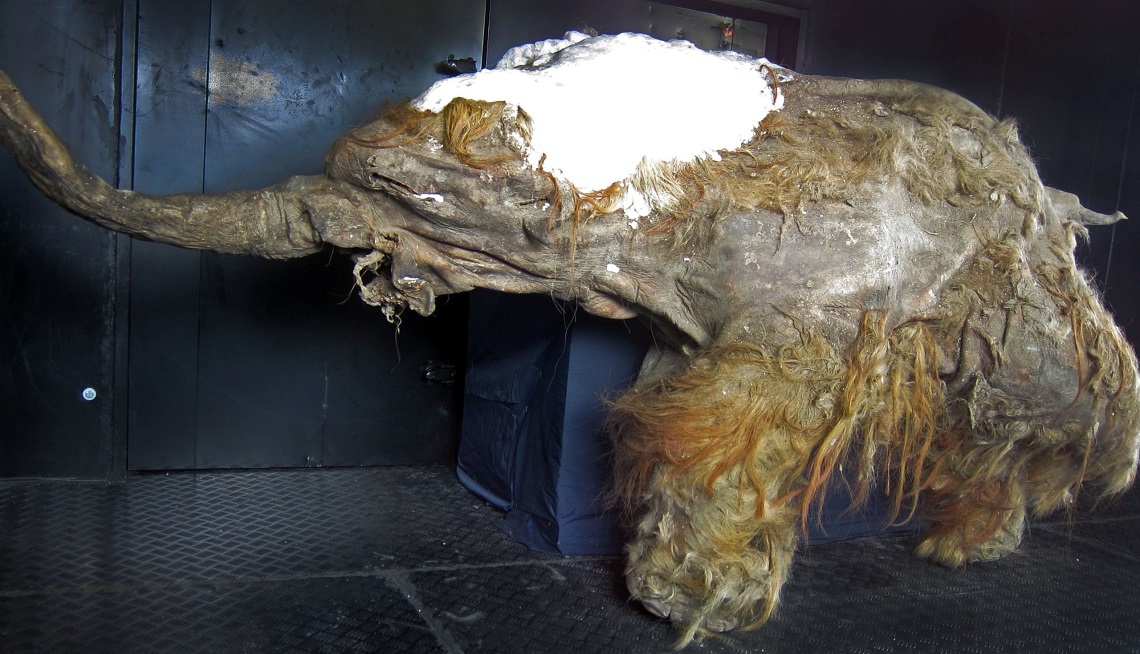
The discovery is not the first present made by permafrost. In 2010, a perfectly preserved 40,000-year-old mammoth cub was found in Siberia. Who knows how many other surprises hare hidden in the thousands-year old ice, guardian of an ancient, mysterious world.
Siamo anche su WhatsApp. Segui il canale ufficiale LifeGate per restare aggiornata, aggiornato sulle ultime notizie e sulle nostre attività.

Quest'opera è distribuita con Licenza Creative Commons Attribuzione - Non commerciale - Non opere derivate 4.0 Internazionale.
Pescasseroli, in the heart of Italy’s Apennines, will host the IBA conference on bear conservation and human–bear coexistence. LifeGate will be the event’s media partner.
The inflation caused by extreme weather events is known as “climateflation”: prices for many food products are expected to rise sharply.
The toll is still provisional, but data collected across several European countries indicate that tens of thousands of people have died as a result of extreme heat.
Last February, Malaysia imposed a total ban on electronic waste imports. Yet toxic e-waste continues to arrive from the United States and other countries through illegal trafficking networks.
Although Earth Overshoot Day falls six days later than in 2025, this does not represent an improvement. The shift is the result of revised estimates of the oceans’ carbon absorption capacity, while humanity’s actual ecological footprint continues to grow.
Gigantic wildfires in France’s Gironde region and near Madrid, Spain, have devastated tens of thousands of hectares of vegetation.
Greece has launched a wildfire management system based on nanosatellites and artificial intelligence. A model that other countries are now looking to replicate.
According to analysts, the emergence of a “super” El Niño could trigger a global food price shock, adding to inflationary pressures already fuelled by the conflict with Iran.
Residents of Kanseche, Malawi, accuse ABF of contributing to the devastating 2022 floods through its subsidiary, Illovo Sugar.


