



Pescasseroli, in the heart of Italy’s Apennines, will host the IBA conference on bear conservation and human–bear coexistence. LifeGate will be the event’s media partner.
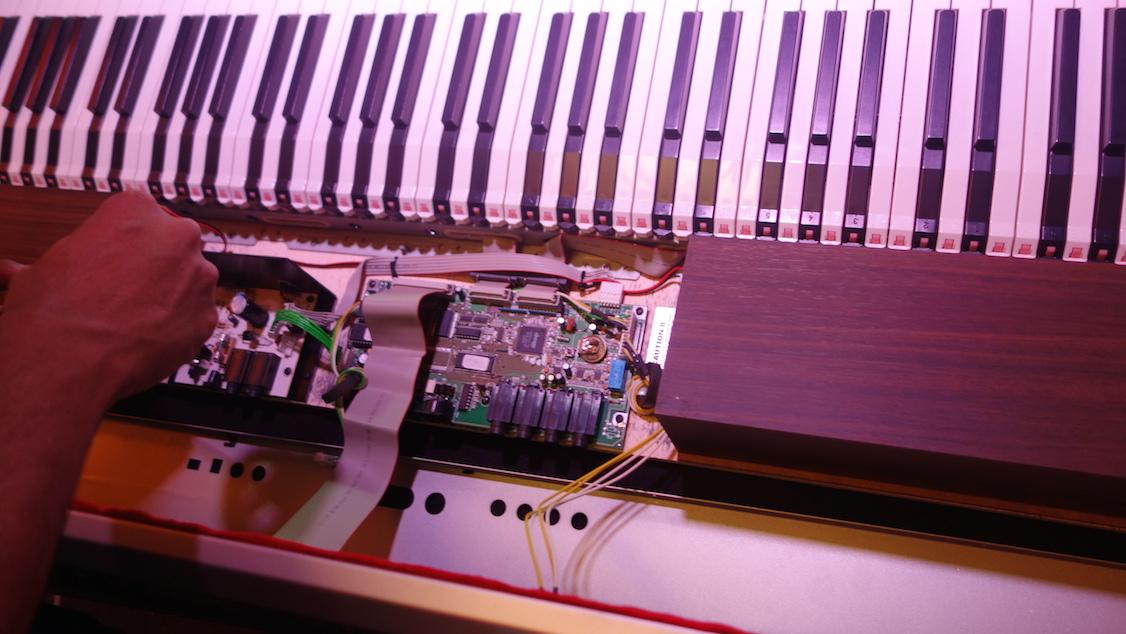
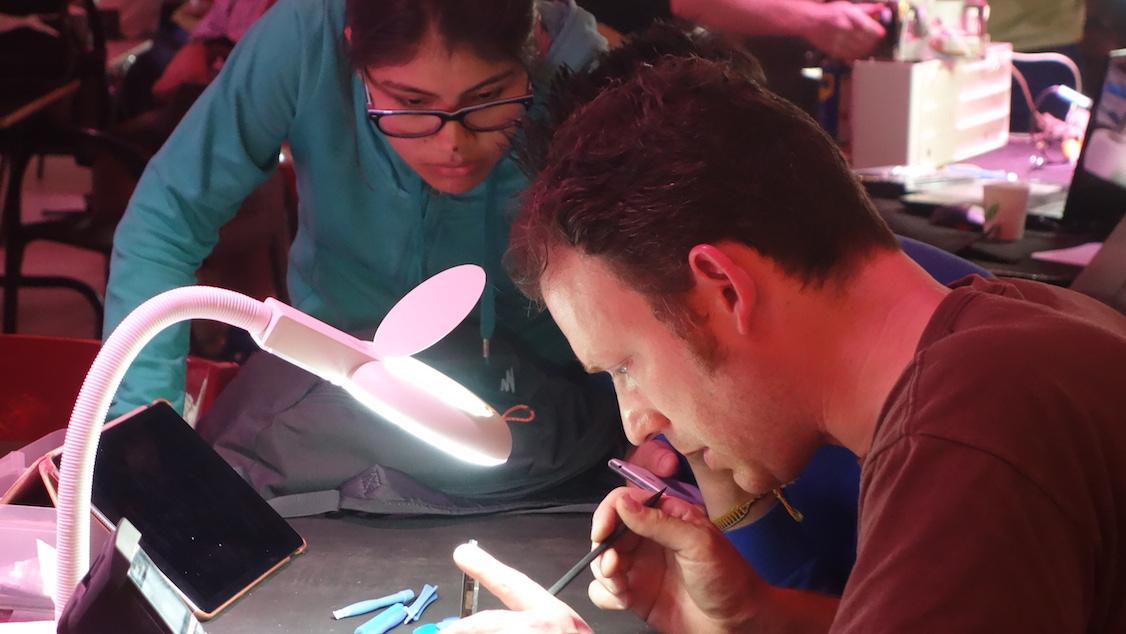
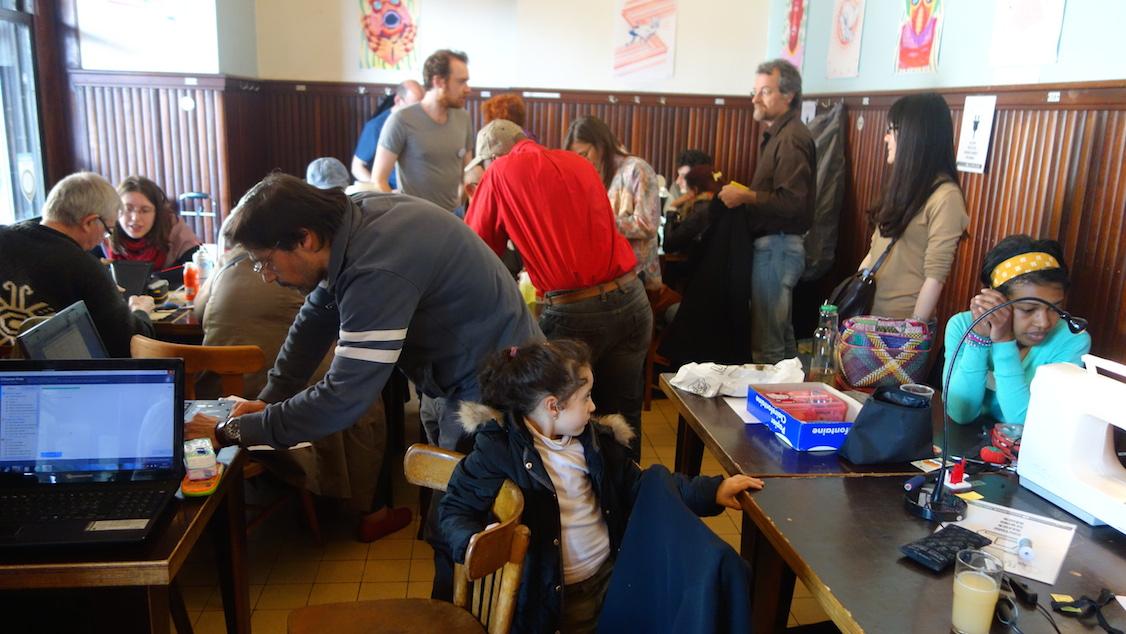
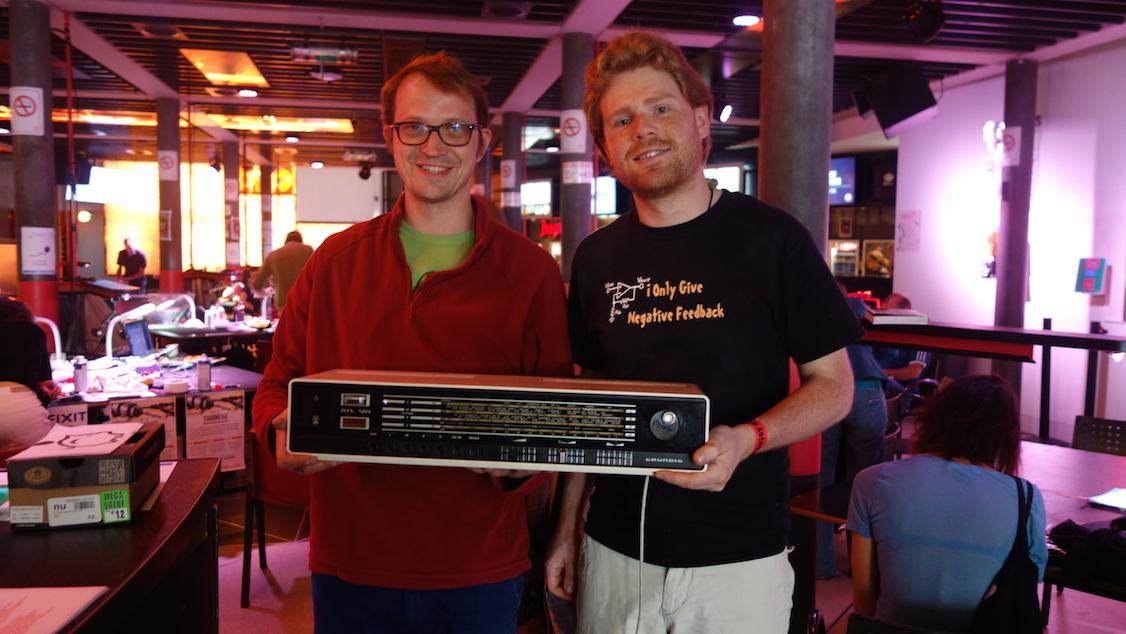
Repair Cafés, located all over Belgium, have a simple motto: repairing together. People gather from all corners of the country with their broken objects and a big smile in this free-for all, welcoming and convivial environment. Volunteer handymen are there to help, and there is always time for a good cup of tea or coffee.
Repair Cafés, located all over Belgium, have a simple motto: repairing together. People gather from all corners of the country with their broken objects and a big smile in this free-for all, welcoming and convivial environment. Volunteer handymen are there to help, and there is always time for a good cup of tea or coffee.
In Europe many are used to throwing away what they think of as being “used”. Objects that, instead, could often be put back into shape with a small repair. Repairing has become an almost foreign concept in our consumerist culture where we are encouraged to always buy new things. Even the know-how of how to fix things is slowly disappearing. So Repair Cafés provide the solution, bringing this knowledge back to life and transmitting it to whoever is open to learn.
When new objects aren’t bought, the consumption of raw materials and energy needed in their creation is drastically reduced, which also means cutting down on carbon emissions.
Broken furniture, clothes, bicycles, toys, kitchenware and anything else you can think of can be taken to Repair Café events, which are attended by IT experts, tailors, electricians, woodworkers and bicycle repairers. The aim is to raise awareness about the value of what we own, in order to create a sustainable society.
The eco-friendly initiative has been promoting this truly essential change in mentality since September 2012. “We can see how this is evolving beautifully in the growing number of Repair Cafés,” says Emilie Windels, the project manager. “This development shows that the change of mentality is becoming more widespread. This change can also be felt in the diversity of people attending. There are more and more people of different ages, cultural backgrounds, social status and gender”.
There are 17 Repair Cafés in Brussels, 53 in Wallonia and 155 in Flanders. On average, 67 attend every event and 65 percent of the broken objects are fixed on the spot. 35,807 visitors attended, 15,941 objects were repaired and 82.3 tonnes of CO2 were saved in the country in 2015 alone.
“We are also realising that many Repair Cafés are serving as a starting point”, Windels explains, “people are then orienting themselves towards other local, environmental, economic, social and scientific initiatives”.
The team is very ambitious. They hope to open more and more Repair Cafés across Belgium so that everyone can have the chance of finding a free repair place and meeting their neighbours close to home. They also want better logistics, human capacity and financial resources to start new projects such as the creation of mini-repair cafés in schools and knowledge exchange sessions between repairers.
Siamo anche su WhatsApp. Segui il canale ufficiale LifeGate per restare aggiornata, aggiornato sulle ultime notizie e sulle nostre attività.

Quest'opera è distribuita con Licenza Creative Commons Attribuzione - Non commerciale - Non opere derivate 4.0 Internazionale.
Pescasseroli, in the heart of Italy’s Apennines, will host the IBA conference on bear conservation and human–bear coexistence. LifeGate will be the event’s media partner.
The inflation caused by extreme weather events is known as “climateflation”: prices for many food products are expected to rise sharply.
The toll is still provisional, but data collected across several European countries indicate that tens of thousands of people have died as a result of extreme heat.
Last February, Malaysia imposed a total ban on electronic waste imports. Yet toxic e-waste continues to arrive from the United States and other countries through illegal trafficking networks.
Although Earth Overshoot Day falls six days later than in 2025, this does not represent an improvement. The shift is the result of revised estimates of the oceans’ carbon absorption capacity, while humanity’s actual ecological footprint continues to grow.
Gigantic wildfires in France’s Gironde region and near Madrid, Spain, have devastated tens of thousands of hectares of vegetation.
Greece has launched a wildfire management system based on nanosatellites and artificial intelligence. A model that other countries are now looking to replicate.
According to analysts, the emergence of a “super” El Niño could trigger a global food price shock, adding to inflationary pressures already fuelled by the conflict with Iran.
Residents of Kanseche, Malawi, accuse ABF of contributing to the devastating 2022 floods through its subsidiary, Illovo Sugar.


