



Pescasseroli, in the heart of Italy’s Apennines, will host the IBA conference on bear conservation and human–bear coexistence. LifeGate will be the event’s media partner.
Continua la strage di elefanti, sale a 62 il numero di pachidermi uccisi a ottobre nel parco nazionale di Hwange.
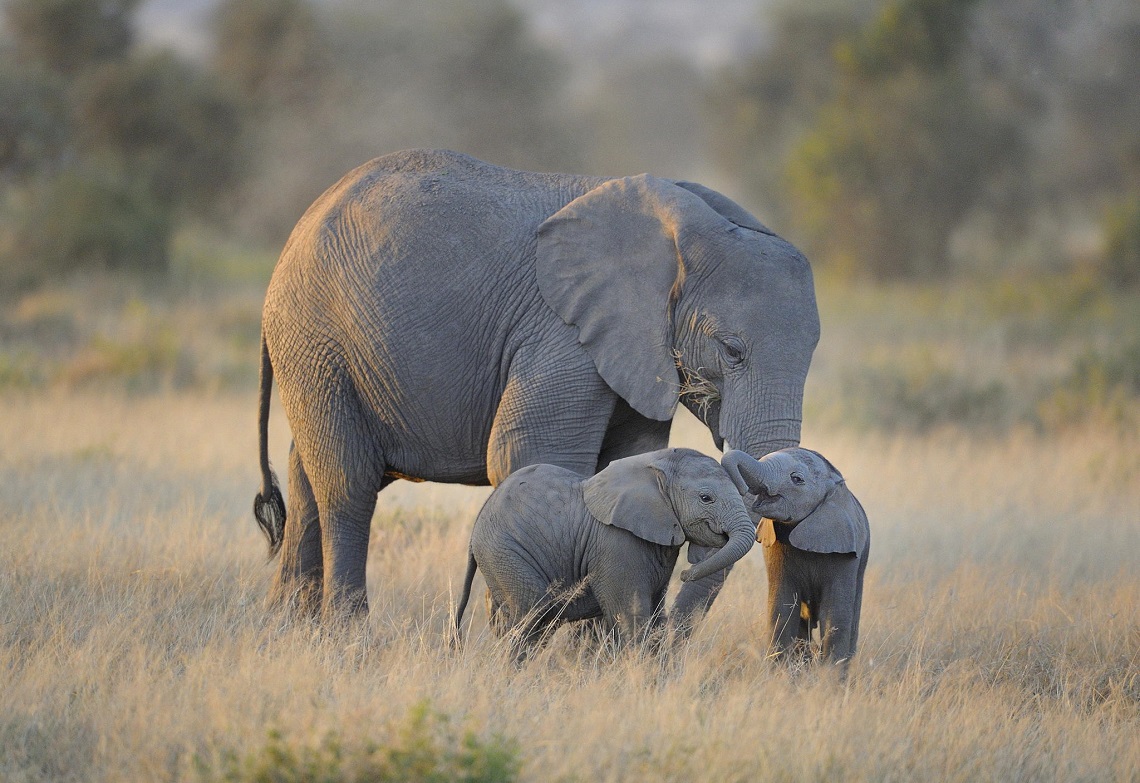
The number of elephants (Loxodonta africana) killed in one month in Zimbabwe, in the Hwange National Park (where also Cecil the lion was killed), rises to 62. The latest victims, cubs included, date back to only few days ago: they have been poisoned with cyanide injected in oranges.
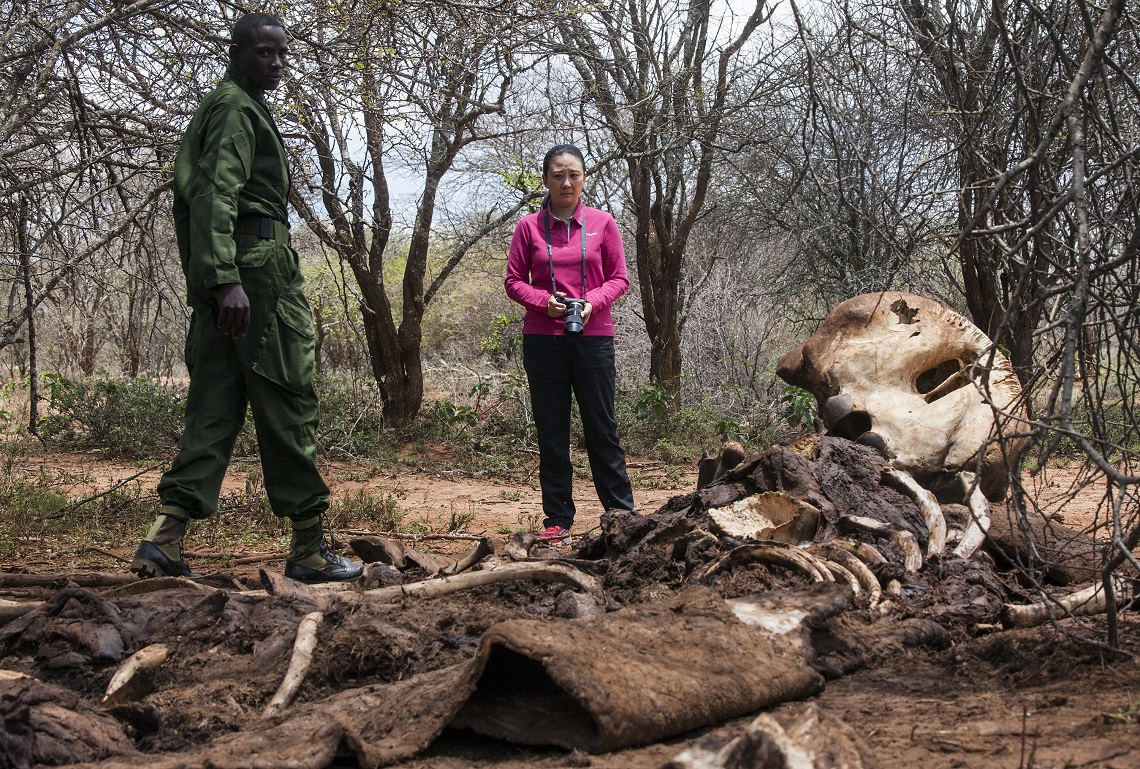
“The rate at which we are losing animals to cyanide is alarming. Many other species are also dying from the cyanide used by poachers to target elephants,” said national park’s spokeswoman Caroline Washaya-Moyo. “We are appealing to people in communities close to national parks to cooperate with authorities.”
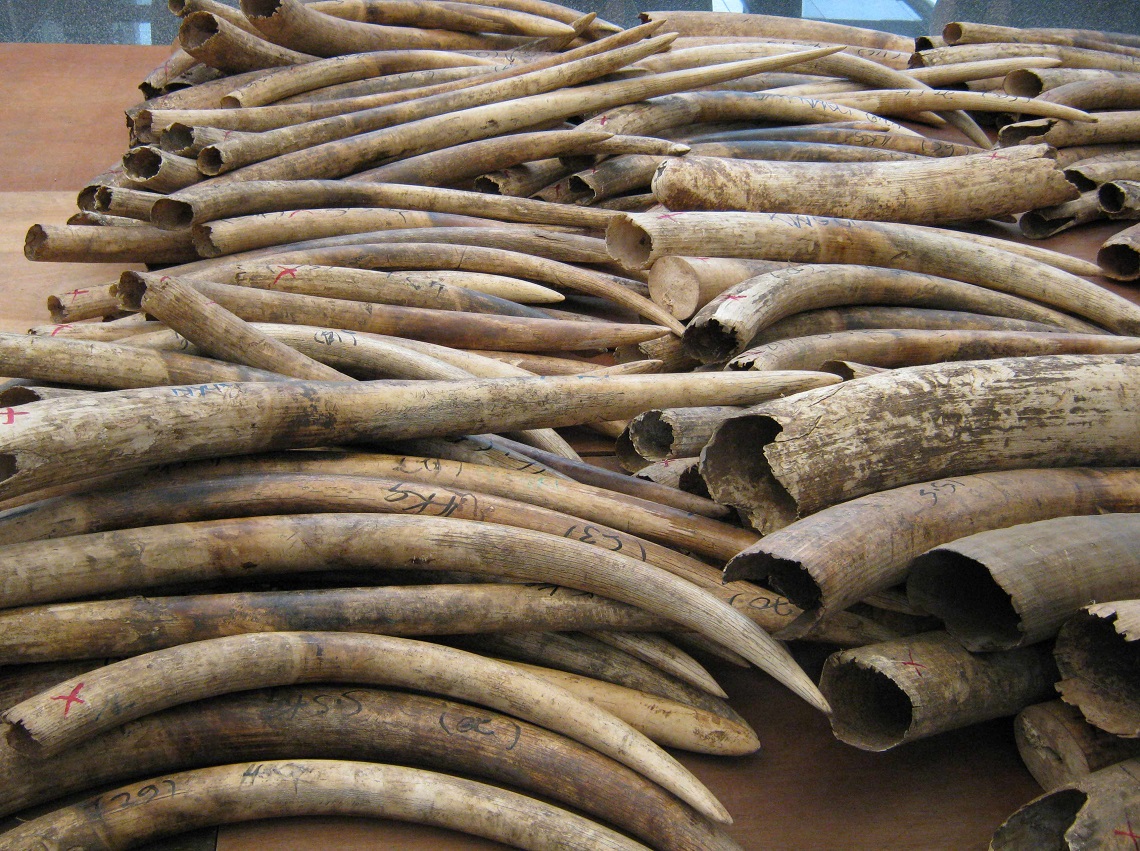
The Hwange National Park, boasting one of the continent’s highest elephant concentrations, risks losing one of its iconic species. In 2013, over 200 elephants have been poisoned for their ivory. Ivory illegal trade generates a global turnover of 23 billion dollars each year.
Last year, five poachers have been sentenced, with 4 to 14 years in jail, for having poisoned some pools of water in the reserve of Ngamo Safaris.
Earnings are high and sentences are probably not enough to curb the scourge of poaching, responsible for the killing of hundreds of elephants and rhinoceroses every year, which ivory is smuggled in Asian countries.
Hwange National Park’s spokeswoman hopes that trained dogs coming from South Africa and the increasing number of drones could contribute to effectively protect wildlife.
Siamo anche su WhatsApp. Segui il canale ufficiale LifeGate per restare aggiornata, aggiornato sulle ultime notizie e sulle nostre attività.

Quest'opera è distribuita con Licenza Creative Commons Attribuzione - Non commerciale - Non opere derivate 4.0 Internazionale.
Pescasseroli, in the heart of Italy’s Apennines, will host the IBA conference on bear conservation and human–bear coexistence. LifeGate will be the event’s media partner.
The inflation caused by extreme weather events is known as “climateflation”: prices for many food products are expected to rise sharply.
The toll is still provisional, but data collected across several European countries indicate that tens of thousands of people have died as a result of extreme heat.
Last February, Malaysia imposed a total ban on electronic waste imports. Yet toxic e-waste continues to arrive from the United States and other countries through illegal trafficking networks.
Although Earth Overshoot Day falls six days later than in 2025, this does not represent an improvement. The shift is the result of revised estimates of the oceans’ carbon absorption capacity, while humanity’s actual ecological footprint continues to grow.
Gigantic wildfires in France’s Gironde region and near Madrid, Spain, have devastated tens of thousands of hectares of vegetation.
Greece has launched a wildfire management system based on nanosatellites and artificial intelligence. A model that other countries are now looking to replicate.
According to analysts, the emergence of a “super” El Niño could trigger a global food price shock, adding to inflationary pressures already fuelled by the conflict with Iran.
Residents of Kanseche, Malawi, accuse ABF of contributing to the devastating 2022 floods through its subsidiary, Illovo Sugar.


