


Pescasseroli, in the heart of Italy’s Apennines, will host the IBA conference on bear conservation and human–bear coexistence. LifeGate will be the event’s media partner.
The US singer Jason Mraz is the voice narrating the short film The Soil Story, movie that highlights the importance of a healthy soil for a healthy planet.
Soil plays a precious and indispensable role. Besides providing us with food and medicines, it absorbs great quantities of CO2 from the atmosphere. It is in fact the planet’s largest carbon storage.
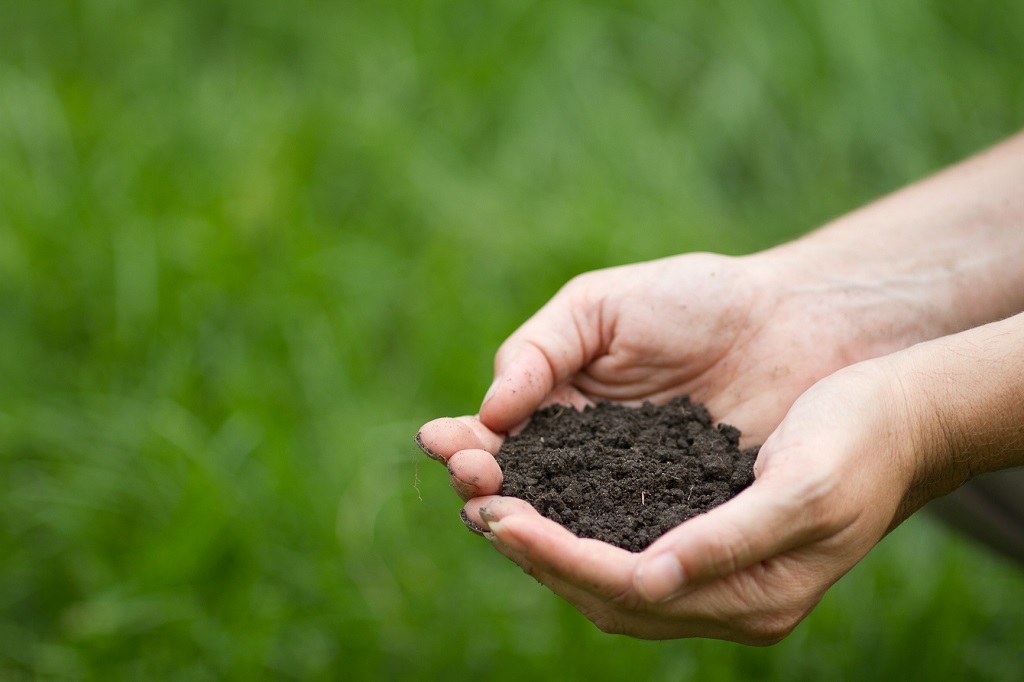
A solution to climate change and greenhouse effect could lay right underneath our feet: a healthy soil. This is the theory of the short film The Soil Story, movie narrated by the US singer-songwriter Jason Mraz, which highlights the importance of a healthy soil to curb drought and global warming.
Mraz is an organic farming and short supply chain supporter: he grows vegetables and fruit he eats, in a completely sustainable way.

“Taking control of your food means reclaiming your power by saving money, saving energy, saving waste and saving fuel believe it or not,” said Mraz. “It is the foundation for the idea ‘think globally and act locally’.”
Despite several steps forward toward the reduction of carbon emissions have been taken, we already have emitted some 880 billion tonnes of CO2 in the atmosphere since the beginning of the Industrial Revolution.
Currently, we are not able to absorb large quantities of polluting emissions through machineries yet. Thus, in order to reduce emissions, we must protect the most powerful tool in “capturing” carbon we have: the soil.
The problem is that planet’s lands are losing their ability of recovery and started releasing in the atmosphere more carbon than they absorb. The cause of this phenomenon is the industrial-scale agriculture that, through a massive use of pesticides, herbicides, and fertilisers, has gradually impoverished soils altering their natural biology.
A solution to this could be taking care of lands by adopting the so called regenerative agriculture, farming technique that allows benefitting from the soil’s property without exploiting or impoverishing it, thus favouring its capacity of absorbing CO2 and storing water.
According to organic farming supporters, in order this system to be effective, it should be adopted on a large scale. The state of California has committed to investing 2 billion dollars to combat climate change, through the restoration of its soils.
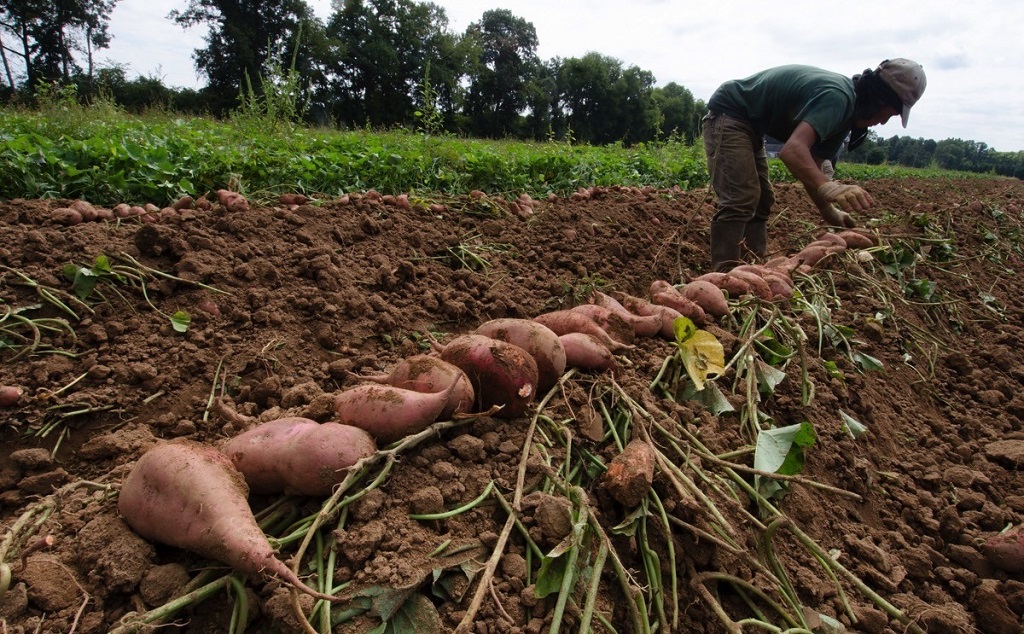
The short film “The Soil Story”, realised by the association Kiss the Ground, has been produced to support a state fund of 160 million dollars to give the natural vitality back to the soil.
Siamo anche su WhatsApp. Segui il canale ufficiale LifeGate per restare aggiornata, aggiornato sulle ultime notizie e sulle nostre attività.

Quest'opera è distribuita con Licenza Creative Commons Attribuzione - Non commerciale - Non opere derivate 4.0 Internazionale.
Pescasseroli, in the heart of Italy’s Apennines, will host the IBA conference on bear conservation and human–bear coexistence. LifeGate will be the event’s media partner.
The inflation caused by extreme weather events is known as “climateflation”: prices for many food products are expected to rise sharply.
The toll is still provisional, but data collected across several European countries indicate that tens of thousands of people have died as a result of extreme heat.
Last February, Malaysia imposed a total ban on electronic waste imports. Yet toxic e-waste continues to arrive from the United States and other countries through illegal trafficking networks.
Although Earth Overshoot Day falls six days later than in 2025, this does not represent an improvement. The shift is the result of revised estimates of the oceans’ carbon absorption capacity, while humanity’s actual ecological footprint continues to grow.
Gigantic wildfires in France’s Gironde region and near Madrid, Spain, have devastated tens of thousands of hectares of vegetation.
Greece has launched a wildfire management system based on nanosatellites and artificial intelligence. A model that other countries are now looking to replicate.
According to analysts, the emergence of a “super” El Niño could trigger a global food price shock, adding to inflationary pressures already fuelled by the conflict with Iran.
Residents of Kanseche, Malawi, accuse ABF of contributing to the devastating 2022 floods through its subsidiary, Illovo Sugar.


