


Pescasseroli, in the heart of Italy’s Apennines, will host the IBA conference on bear conservation and human–bear coexistence. LifeGate will be the event’s media partner.
Polar bears have started hunting and eating dolphins. It is the first time that this phenomenon takes place and the cause is linked to rising temperatures and food scarcity in the Arctic Ocean. Summer comes earlier Oceans acidification and ice melting due to global warming have been jeopardising polar bear existence for a
Polar bears have started hunting and eating dolphins. It is the first time that this phenomenon takes place and the cause is linked to rising temperatures and food scarcity in the Arctic Ocean.
Summer comes earlier
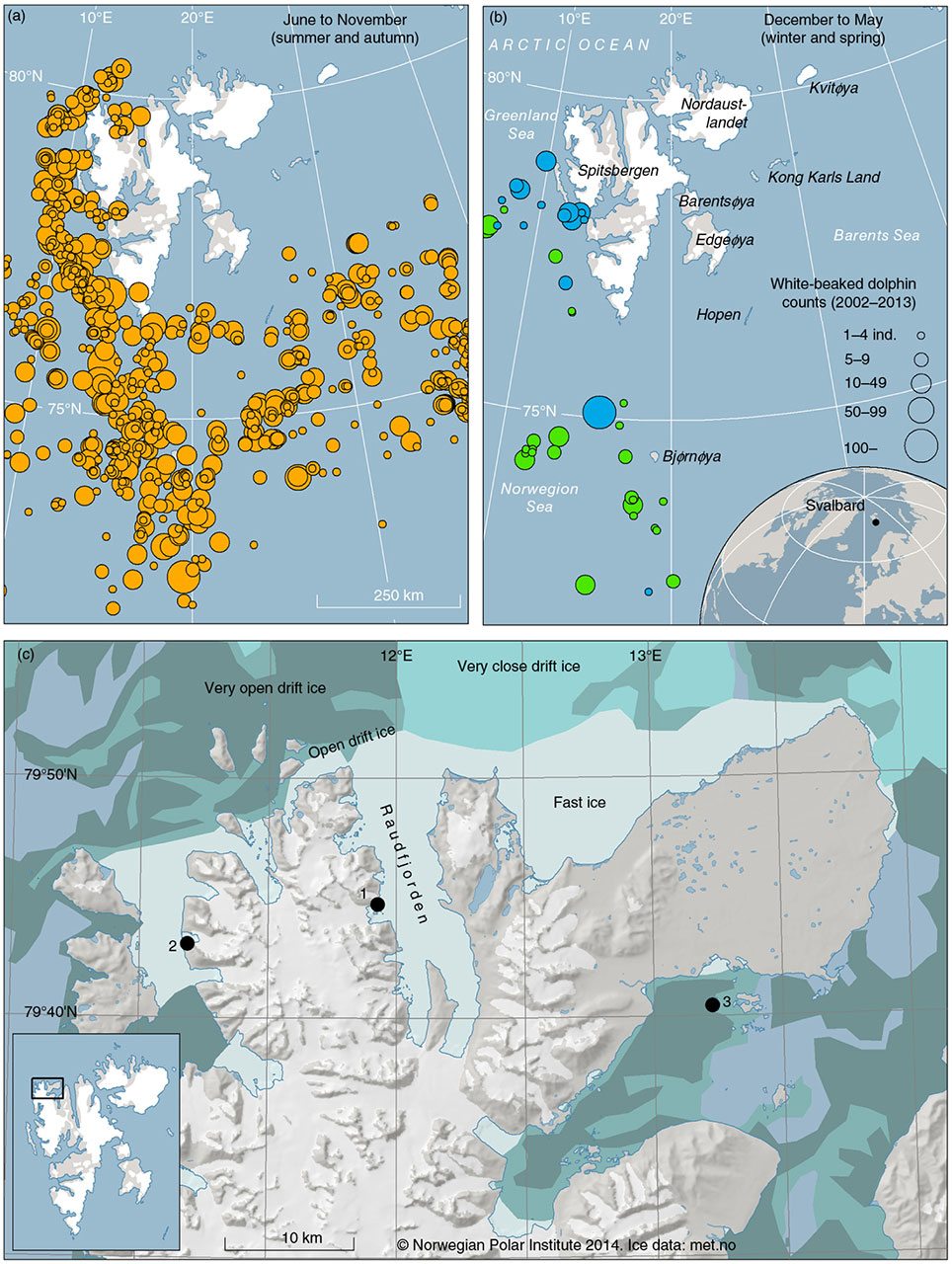
Oceans acidification and ice melting due to global warming have been jeopardising polar bear existence for a long time, forcing them to swim for hundreds of kilometres and looking for food for days. The unprecedented phenomenon of polar bears hunting dolphins is due to the fact that these marine mammals, the white-beaked dolphins (Lagenorhynchus albirostris), started approaching Arctic waters prematurely. Their appearance was usually registered during summer, but over the last few years hot weather has been led them to migrate during spring.
This phenomenon has been analysed in the study White-Beaked Dolphins Trapped in the Ice and Eaten by Polar Bears, carried out by a team of scientists led by Jon Aars from the Norwegian Polar Institute and published by the scientific magazine Polar Research. The study shows as evidence the testimonies collected in April 2014 in a small fiord of Svalbard, Norway.
Food has to be conserved
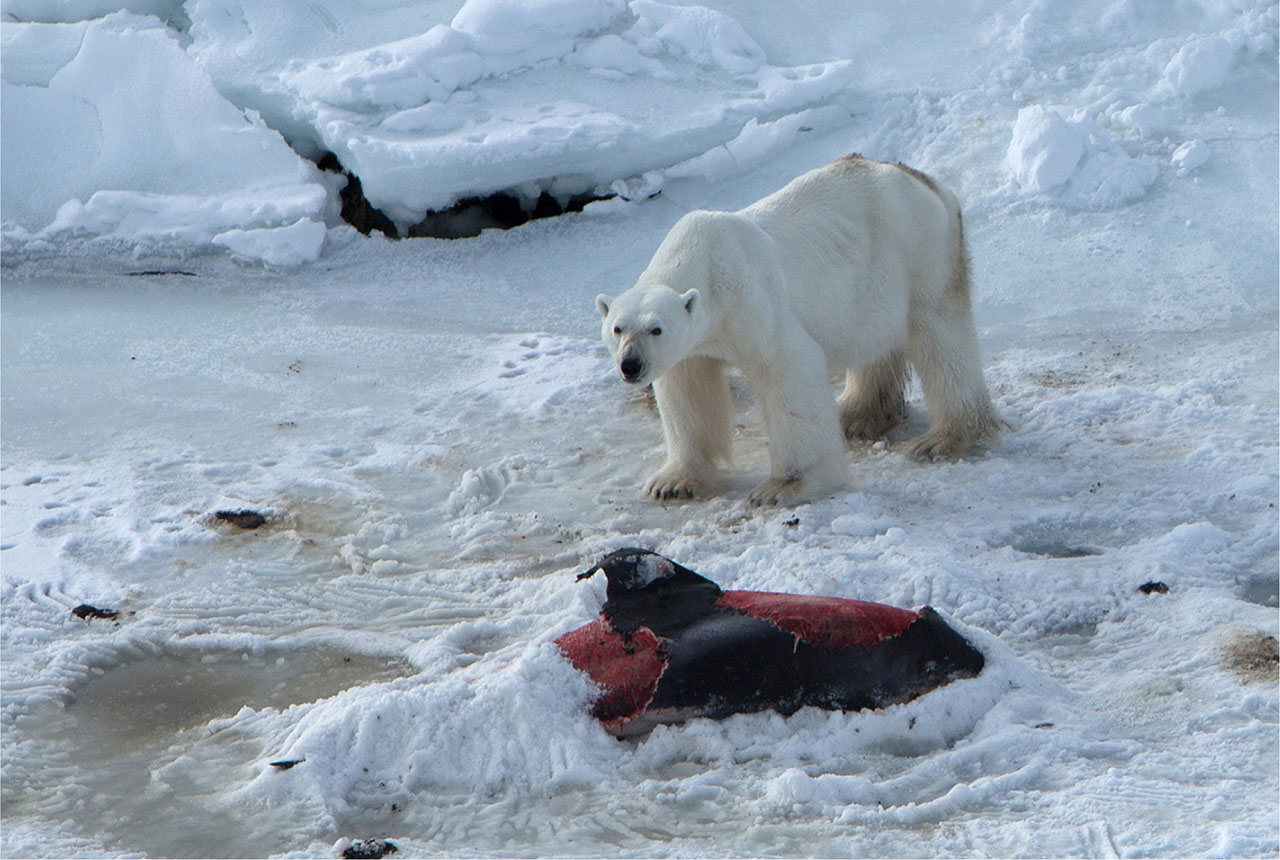
Researchers spotted at least 6 polar bears catching and eating dolphins, in a way similar to that of seals: lying in wait near the holes of melting ice platforms that dolphins use to breath. In that moment the ambush takes place. Polar bears have also been caught covering carcasses with ice in order to conserve them. It is a truly rare behaviour, and shows the fact that the food available is lesser and lesser.
Siamo anche su WhatsApp. Segui il canale ufficiale LifeGate per restare aggiornata, aggiornato sulle ultime notizie e sulle nostre attività.

Quest'opera è distribuita con Licenza Creative Commons Attribuzione - Non commerciale - Non opere derivate 4.0 Internazionale.
Pescasseroli, in the heart of Italy’s Apennines, will host the IBA conference on bear conservation and human–bear coexistence. LifeGate will be the event’s media partner.
The inflation caused by extreme weather events is known as “climateflation”: prices for many food products are expected to rise sharply.
The toll is still provisional, but data collected across several European countries indicate that tens of thousands of people have died as a result of extreme heat.
Last February, Malaysia imposed a total ban on electronic waste imports. Yet toxic e-waste continues to arrive from the United States and other countries through illegal trafficking networks.
Although Earth Overshoot Day falls six days later than in 2025, this does not represent an improvement. The shift is the result of revised estimates of the oceans’ carbon absorption capacity, while humanity’s actual ecological footprint continues to grow.
Gigantic wildfires in France’s Gironde region and near Madrid, Spain, have devastated tens of thousands of hectares of vegetation.
Greece has launched a wildfire management system based on nanosatellites and artificial intelligence. A model that other countries are now looking to replicate.
According to analysts, the emergence of a “super” El Niño could trigger a global food price shock, adding to inflationary pressures already fuelled by the conflict with Iran.
Residents of Kanseche, Malawi, accuse ABF of contributing to the devastating 2022 floods through its subsidiary, Illovo Sugar.


