



A report by the NGO network Climate Action Network proposes a series of concrete changes to revitalise the UN Climate Change Conferences.
The latest study by the Ellen MacArthur Foundation reveals that there will be more plastic than fish in the sea by 2050.
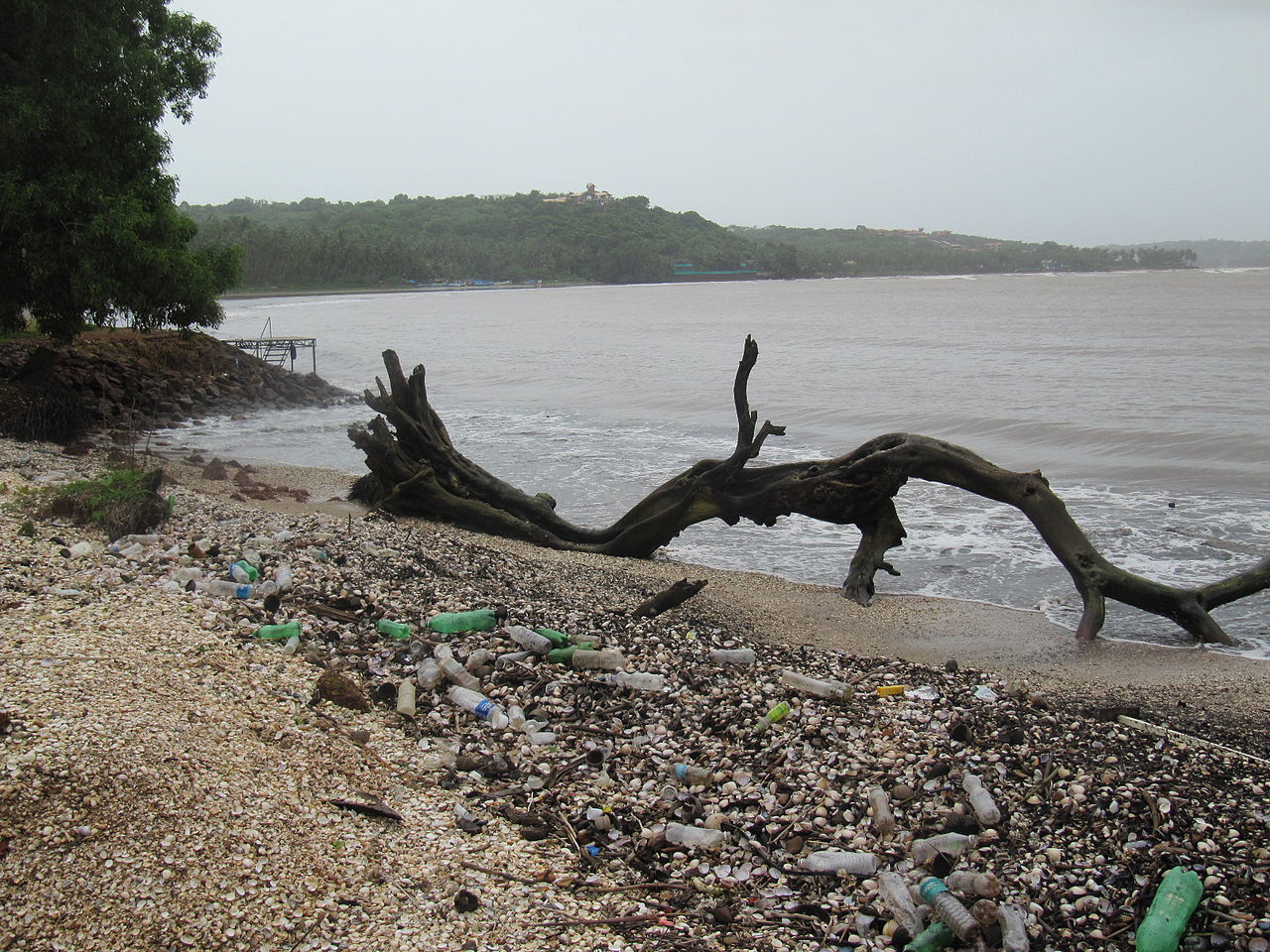
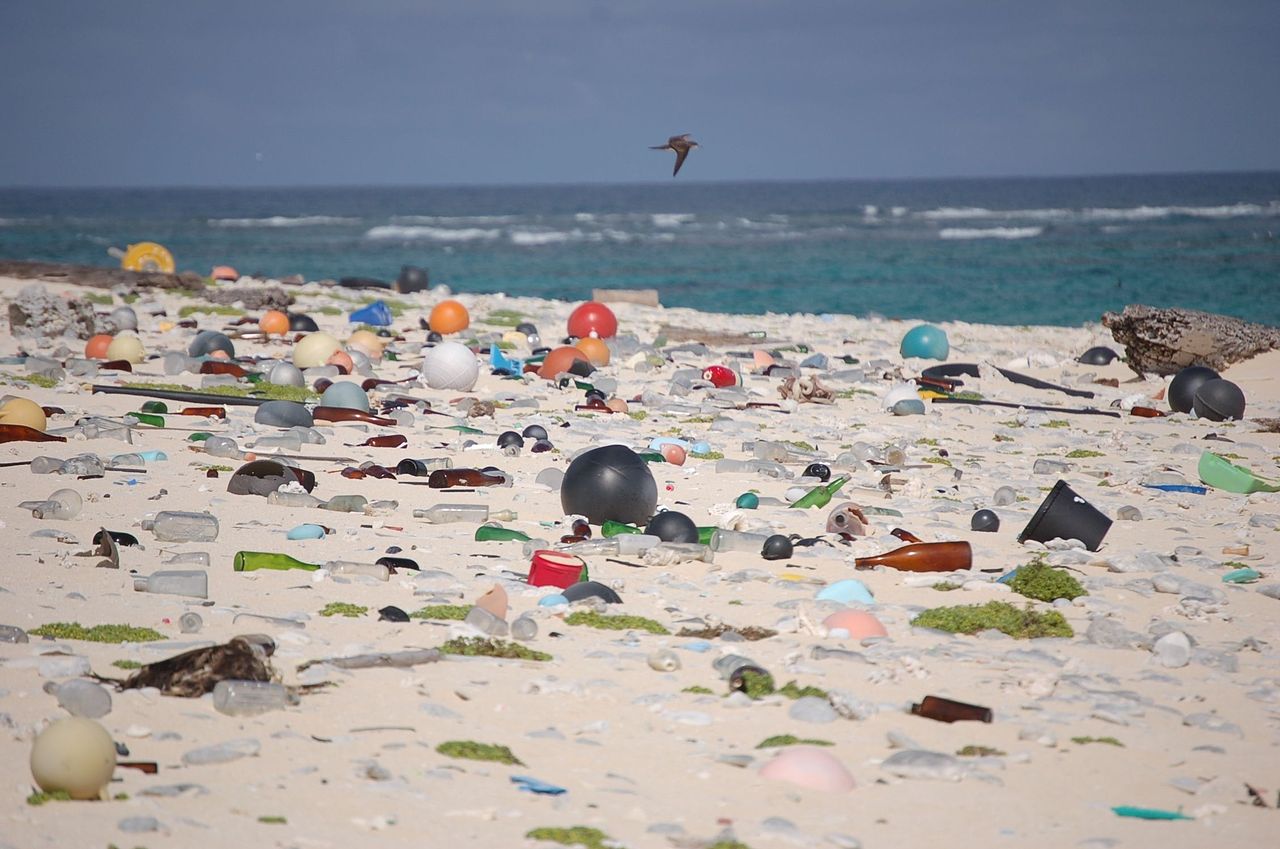
Imagine oceans populated by fish swimming among plastic pieces of any origin and dimension. Imagine oceans where you’re more likely to find a plastic bottle rather than an anchovy. A horror movie? No, the ugly truth that, unfortunately, the world is going to face by 2050.
That’s what is shown in a report carried out by the Ellen McArthur Foundation, in collaboration with McKinsey Centre for Business and Environment, and presented at the 2016 World Economic Forum at Davos. According to the analysis, the ratio of plastic to fish in the oceans – currently is one to five – will be one to three by 2025. By 2050, fish amount in oceans will be thus fewer than plastic debris.
This will represent an environment catastrophe: fish will ingest plastic debris, with deadly consequences for the food chain. Currently, according to a study published by Proceedings of the National Academy of Sciences, up to 90% of seabirds in the world have plastic in their guts.
According to the report presented at Davos, the only way to avoid making oceans uninhabitable is “triggering a revolution in the plastics industrial ecosystem”, and looking for alternatives to oil as raw material. If this trend continues, plastic material producers will consume 20% of global oil production by 2050.
Switching to sustainable alternatives and enhancing reutilisation could allow huge savings in financial terms: “The current plastics economy has drawbacks that are becoming more apparent by the day. After a short first-use cycle, 95% of plastic packaging material value, or $80–120 billion annually, is lost to the economy”.
However, change can be driven also by our daily behaviours. A simple act, like going shopping with a reusable bag can significantly help face the problem. It’s no coincidence that many countries are working to limit the use of shopping bags.
An example is France, which will ban the distribution of plastic bags in all supermarkets as of March, as well it will ban the sale of plastic cutlery starting from 2020. Why don’t other European countries follow close behind?
Siamo anche su WhatsApp. Segui il canale ufficiale LifeGate per restare aggiornata, aggiornato sulle ultime notizie e sulle nostre attività.

Quest'opera è distribuita con Licenza Creative Commons Attribuzione - Non commerciale - Non opere derivate 4.0 Internazionale.
A report by the NGO network Climate Action Network proposes a series of concrete changes to revitalise the UN Climate Change Conferences.
US-based craft beer company Saltwater Brewery, in collaboration with advertising agency We Believers, has launched a beer packaging that is 100 per cent edible. The problem of ocean plastic The idea stems from the need to protect oceans and marine wildlife from the huge amount of plastic humans dump on the world’s beaches and seas every year. Plastic represents
According to a new study, 90% of all seabirds have plastic residuals in their guts.
Pescasseroli, in the heart of Italy’s Apennines, will host the IBA conference on bear conservation and human–bear coexistence. LifeGate will be the event’s media partner.
The inflation caused by extreme weather events is known as “climateflation”: prices for many food products are expected to rise sharply.
The toll is still provisional, but data collected across several European countries indicate that tens of thousands of people have died as a result of extreme heat.
Last February, Malaysia imposed a total ban on electronic waste imports. Yet toxic e-waste continues to arrive from the United States and other countries through illegal trafficking networks.
Although Earth Overshoot Day falls six days later than in 2025, this does not represent an improvement. The shift is the result of revised estimates of the oceans’ carbon absorption capacity, while humanity’s actual ecological footprint continues to grow.
Gigantic wildfires in France’s Gironde region and near Madrid, Spain, have devastated tens of thousands of hectares of vegetation.


