



A report by the NGO network Climate Action Network proposes a series of concrete changes to revitalise the UN Climate Change Conferences.
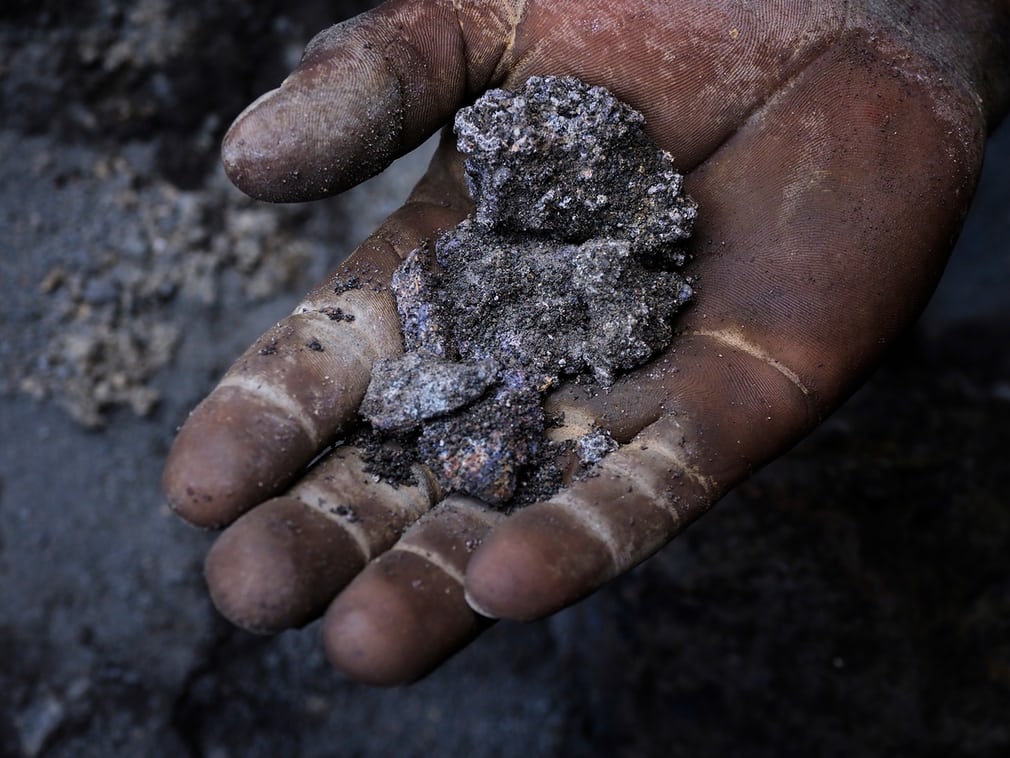
A century of lead mining in Kabwe, officially abandoned two decades ago, has poisoned millions of people and left the city with deadly concentrations of toxic lead in the soil and water.
Almost a century of lead smelting and mining in a government-owned mine, the Zambia Consolidated Copper Mines (ZCCM), has left the once thriving city of Kabwe, with over 300,000 inhabitants and 130 kilometres aways from the Zambian capital Lusaka, heavily polluted. This is due to fumes containing life-threatening levels of soil particles with lead reaching the city and surrounding communities, the result of the lack of a cleanup process when the mine closed in 1994. While in operation, there were no pollution laws regulating emissions from the mine and smelter plant.
Read more: Water pollution, Zambian villagers sue mining giant Vedanta in UK court
An analysis by the World Bank carried out in the context of a project that ended in 2011 showed that toxic lead pollution in Kabwe is high and little has been achieved in remediating the situation in affected communities. The amount of lead in the soil is estimated to be about 10 times above the US safety limit and even higher in hotspots.
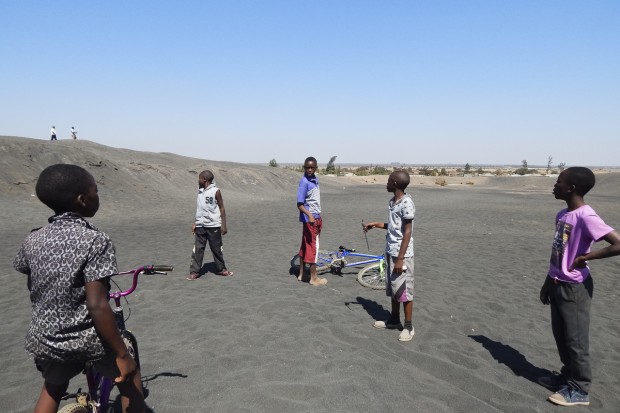
“Levels of lead in children’s blood were above the safety limit of 5 microgrammes per decilitre of blood. The vast majority were over 45 microgrammes per decilitre, which causes brain, liver and hearing damage, and eight were over 150 microgrammes per decilitre, at which point death is the likely outcome,” the report notes. It concludes that “children especially infants were the worst victims due to the fact that they have the tendency to swallow the most; when they start to play outside with soil and frequently put their hands in their mouths”.
“Nearly 75 per cent of all children surveyed in Kabwe require urgent Chelation,” according to the 2015 Copperbelt Environment Project report: this is “a medical treatment designed to remove metals or minerals from one’s body, and nearly all children were at high risk of lead poisoning”.
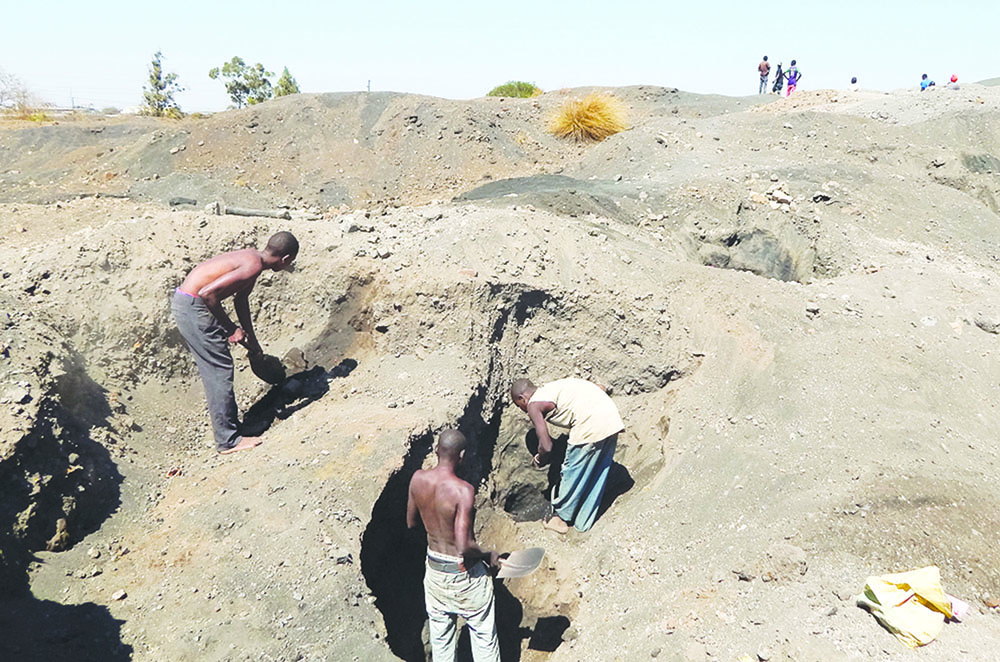
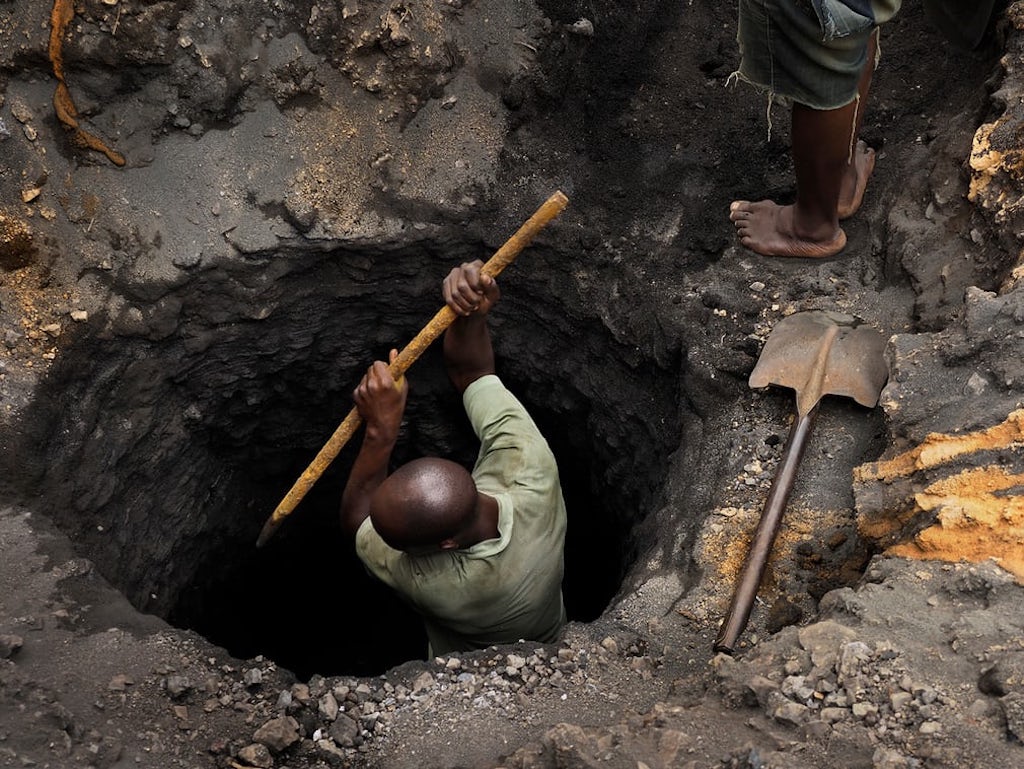
For example, Mathews Daka, who is 21 years old and has been illegally scavenging lead at the Kabwe dumpsite for two years, together with many other youths who have little employment alternatives, looks small for his age and after blood tests were carried, a clinic officer disclosed to him that he was suffering from lead poisoning. “My condition hasn’t changed and even worse, I sometimes vomit and often get tired. I’ve failed to find the right drugs; the last time I bought medicine was in December 2016. I know that I’ll live with this toxic stuff in my body forever,” he says.
“Lead exposure will have a long-term impact on the people of Kabwe,” says Ireen Chipili, principal information and communication officer at the Zambia Environmental Management Agency. Community leader Charles Mulenga says the youths in Kabwe need to be empowered by acquiring entrepreneurship skills. “As a direct consequence of the closure, many mine workers became unemployed and social support previously provided by ZCCM virtually ceased. This has resulted in increased poverty, poor sanitation, poor quality drinking water, malnutrition, dysentery, cholera, malaria, HIV/AIDs, tuberculosis and air pollution,” he stresses.
Despite the high health risk involved, the illegal lead miners are often able to find 14-15 kilogrammes of lead per day, selling a kilogramme of it on the black market for as low as 5 dollars. And due to lawlessness surrounding the manning of the dump site, the desperate miners who at times get arrested by the police every are charged 10 dollars to be freed . Yet Kabwe mayor Prince Chileshe has downplayed the lead pollution reports by saying: “Lead poisoning wasn’t a real concern for Kabwe, it isn’t even widespread or as severe as some reports suggested. It’s only four main areas of our district that indicated positive for worrying lead levels,” he maintains.
The official unemployment rate in the Central Province, where Kabwe is located, is 10 per cent, which is the second-highest in the country after the Copperbelt region, which has a 12.7 per cent unemployment rate, according to the 2014 Zambia Labour Force Survey. This goes to show that wealth in minerals, once the country’s greatest asset, has now turned into its biggest liability. The result is that communities’ lives have been ruined.
Siamo anche su WhatsApp. Segui il canale ufficiale LifeGate per restare aggiornata, aggiornato sulle ultime notizie e sulle nostre attività.

Quest'opera è distribuita con Licenza Creative Commons Attribuzione - Non commerciale - Non opere derivate 4.0 Internazionale.
A report by the NGO network Climate Action Network proposes a series of concrete changes to revitalise the UN Climate Change Conferences.
Pescasseroli, in the heart of Italy’s Apennines, will host the IBA conference on bear conservation and human–bear coexistence. LifeGate will be the event’s media partner.
The inflation caused by extreme weather events is known as “climateflation”: prices for many food products are expected to rise sharply.
The toll is still provisional, but data collected across several European countries indicate that tens of thousands of people have died as a result of extreme heat.
Last February, Malaysia imposed a total ban on electronic waste imports. Yet toxic e-waste continues to arrive from the United States and other countries through illegal trafficking networks.
Although Earth Overshoot Day falls six days later than in 2025, this does not represent an improvement. The shift is the result of revised estimates of the oceans’ carbon absorption capacity, while humanity’s actual ecological footprint continues to grow.
Gigantic wildfires in France’s Gironde region and near Madrid, Spain, have devastated tens of thousands of hectares of vegetation.
Greece has launched a wildfire management system based on nanosatellites and artificial intelligence. A model that other countries are now looking to replicate.
According to analysts, the emergence of a “super” El Niño could trigger a global food price shock, adding to inflationary pressures already fuelled by the conflict with Iran.


