



Pescasseroli, in the heart of Italy’s Apennines, will host the IBA conference on bear conservation and human–bear coexistence. LifeGate will be the event’s media partner.
Industrial uses of energy-rich vegetation, or biomass, as fuel can be key to the future of renewable energy. Biomass in the form of waste in particular is ideal as it is available at no cost. In Indonesia a forward-thinking company, Sido Muncul, is using the waste from the production of the popular herbal medicine jamu
Industrial uses of energy-rich vegetation, or biomass, as fuel can be key to the future of renewable energy. Biomass in the form of waste in particular is ideal as it is available at no cost. In Indonesia a forward-thinking company, Sido Muncul, is using the waste from the production of the popular herbal medicine jamu to make fuel pellets.
Jamu is a herbal drink made of plants and spices such as ginger, turmeric, cloves, fennel, celery, and tamarind. Indonesians drink it to maintain health and fitness, and to prevent and in some case cure disease. It has been part of the culture for generations. Today, jamu is produced on industrial scale in the form of tablets, capsules, sachets or bottled drinks. The spices are ground and mixed then their flavour and properties are extracted using boiling water. This process leaves behind solid waste in the form of dregs. Every 3 kg of raw ingredients will produce 1 kg of waste.
Historically, before the extensive use of fossil fuels, biomass in the form of wood fuel provided most of humanity’s heating. Feeding biomass directly into fire is called a direct combustion system. Today however there is a more efficient way of using biomass as fuel: by changing it into pellets first. This is called a pellet-fire system. Because they are dry, condensed and uniform, the combustion of pellets releases a much higher amount of calories.
The efficiency of pellets inspired Irwan Hidayat, CEO of Sido Muncul to change his company’s relationship to waste. The biggest jamu maker in Indonesia, Sido Muncul produces 35 thousand tonnes of solid waste every day. The mounting piles of waste call for serious efforts for it to be properly managed, and Hidayat’s intuition was to use these leftovers as the very fuel for jamu production.
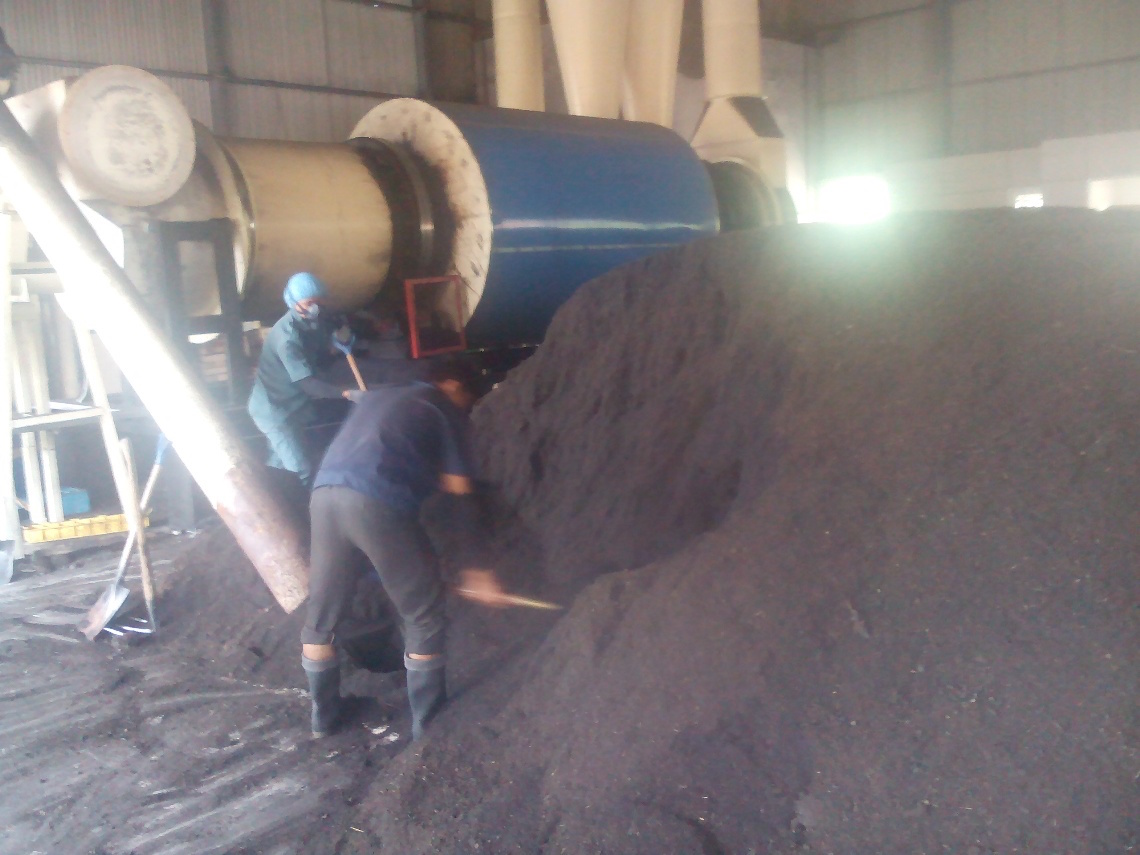
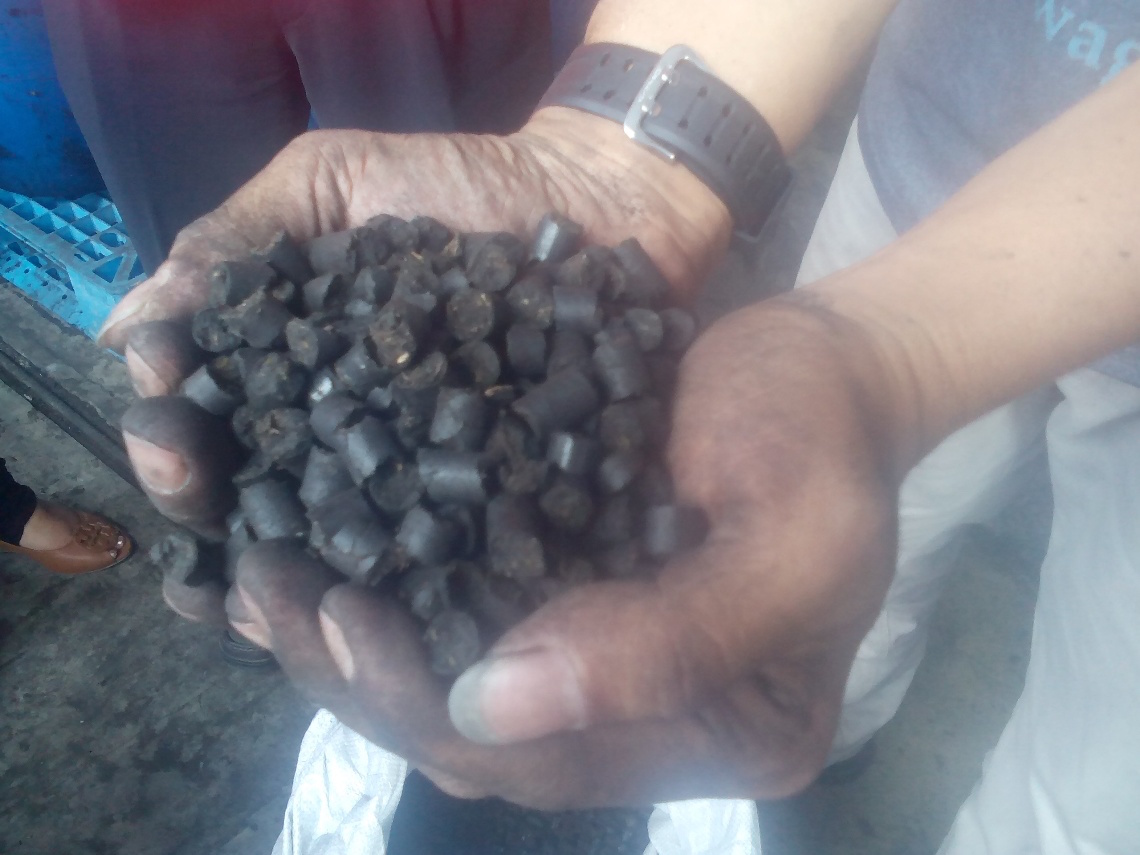
To make pellets out of jamu the waste is dried and powdered, then pressed into 2 cm long cylinders. These are then fed into moving-chains steam boilers in the production of both jamu and the pellets themselves.
Cutting down Compressed Natural Gas (CNG) use by about 40%, pellets lead to savings of up to 20 billion Rupiah ($1.5 million) annually. The company aims to replace all CNG use with jamu waste pellets because they have proven to be an effective source of fuel. Both the gas and pellets release about the same amount of energy at the same rate, but the latter are always available at no cost. And most importantly, it means jamu production plants can all become zero-waste facilities.
Siamo anche su WhatsApp. Segui il canale ufficiale LifeGate per restare aggiornata, aggiornato sulle ultime notizie e sulle nostre attività.

Quest'opera è distribuita con Licenza Creative Commons Attribuzione - Non commerciale - Non opere derivate 4.0 Internazionale.
Pescasseroli, in the heart of Italy’s Apennines, will host the IBA conference on bear conservation and human–bear coexistence. LifeGate will be the event’s media partner.
The inflation caused by extreme weather events is known as “climateflation”: prices for many food products are expected to rise sharply.
The toll is still provisional, but data collected across several European countries indicate that tens of thousands of people have died as a result of extreme heat.
Last February, Malaysia imposed a total ban on electronic waste imports. Yet toxic e-waste continues to arrive from the United States and other countries through illegal trafficking networks.
Although Earth Overshoot Day falls six days later than in 2025, this does not represent an improvement. The shift is the result of revised estimates of the oceans’ carbon absorption capacity, while humanity’s actual ecological footprint continues to grow.
Gigantic wildfires in France’s Gironde region and near Madrid, Spain, have devastated tens of thousands of hectares of vegetation.
Greece has launched a wildfire management system based on nanosatellites and artificial intelligence. A model that other countries are now looking to replicate.
According to analysts, the emergence of a “super” El Niño could trigger a global food price shock, adding to inflationary pressures already fuelled by the conflict with Iran.
Residents of Kanseche, Malawi, accuse ABF of contributing to the devastating 2022 floods through its subsidiary, Illovo Sugar.


