



Last February, Malaysia imposed a total ban on electronic waste imports. Yet toxic e-waste continues to arrive from the United States and other countries through illegal trafficking networks.
Minori sfruttati da aziende locali e multinazionali del tabacco, con il beneplacito del governo. La denuncia di Human rights watch.
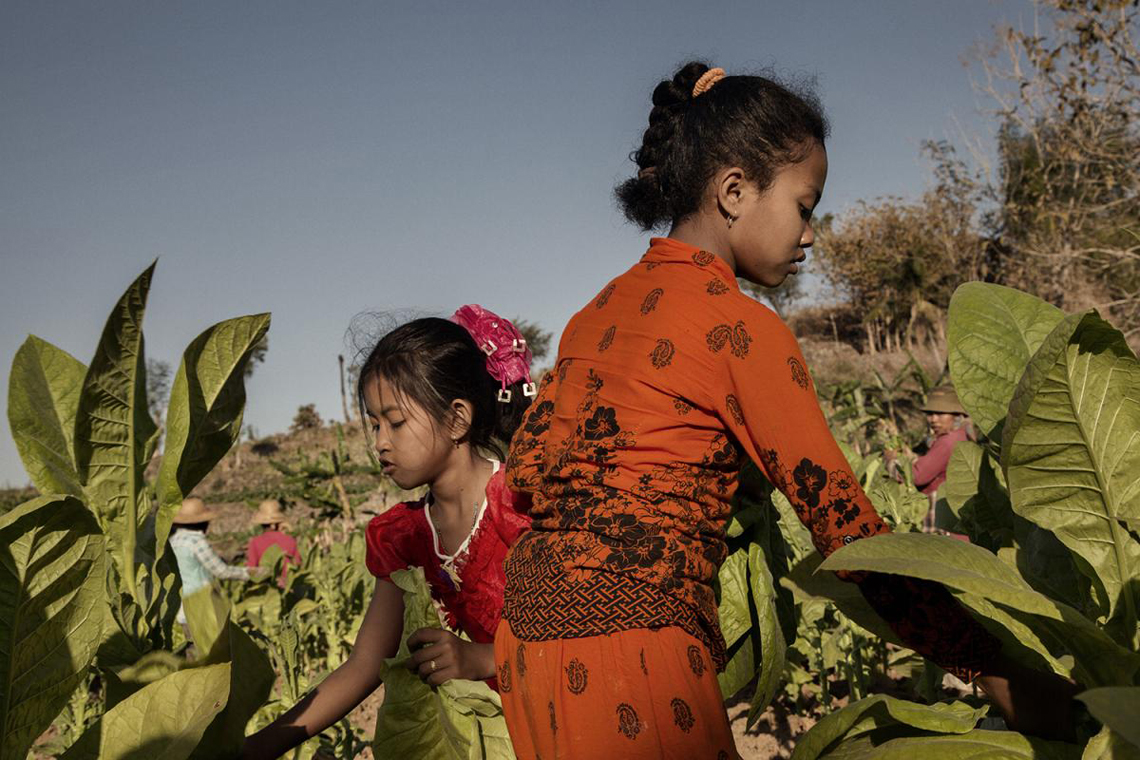
“Since I was a kid, I’ve been going to the fields. My parents plant tobacco. Mostly I help my parents and sometimes my neighbours,” said Ayu, a 13-year-old girl who live in a village near Garut, West Java. Ayu has got four siblings; two of them are older, two are younger, and all of them work on tobacco fields. “I’m always throwing up every time I’m harvesting,” she added.
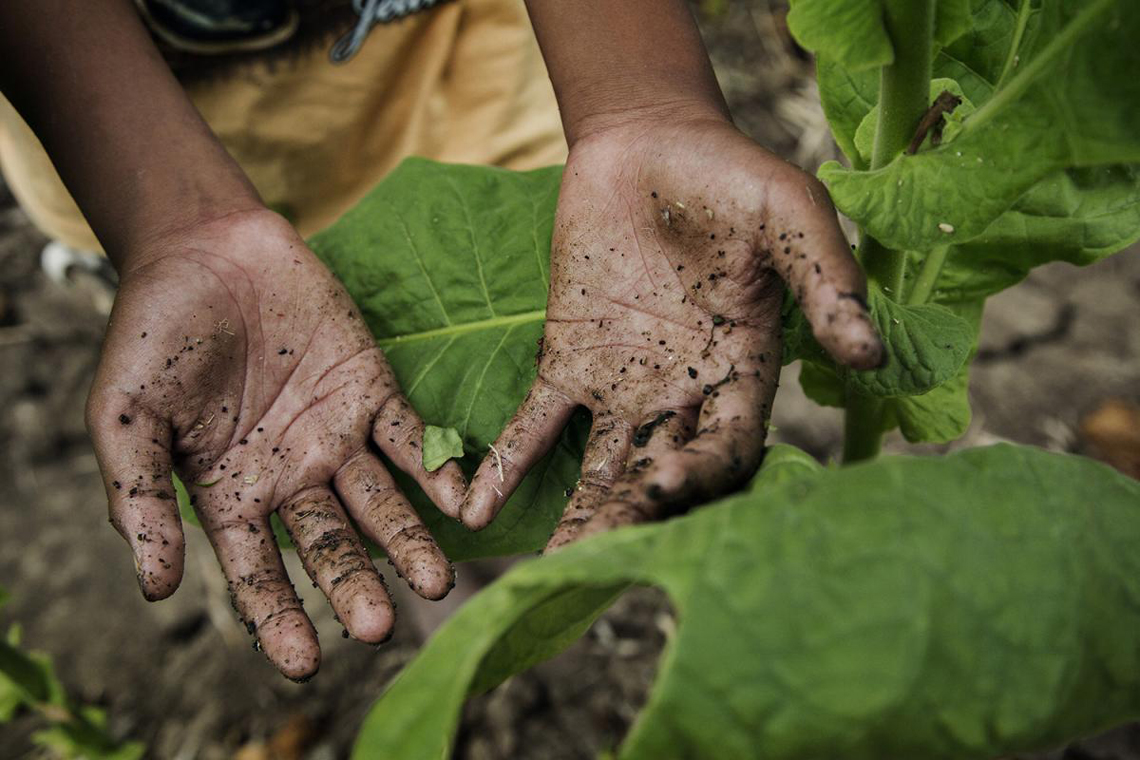
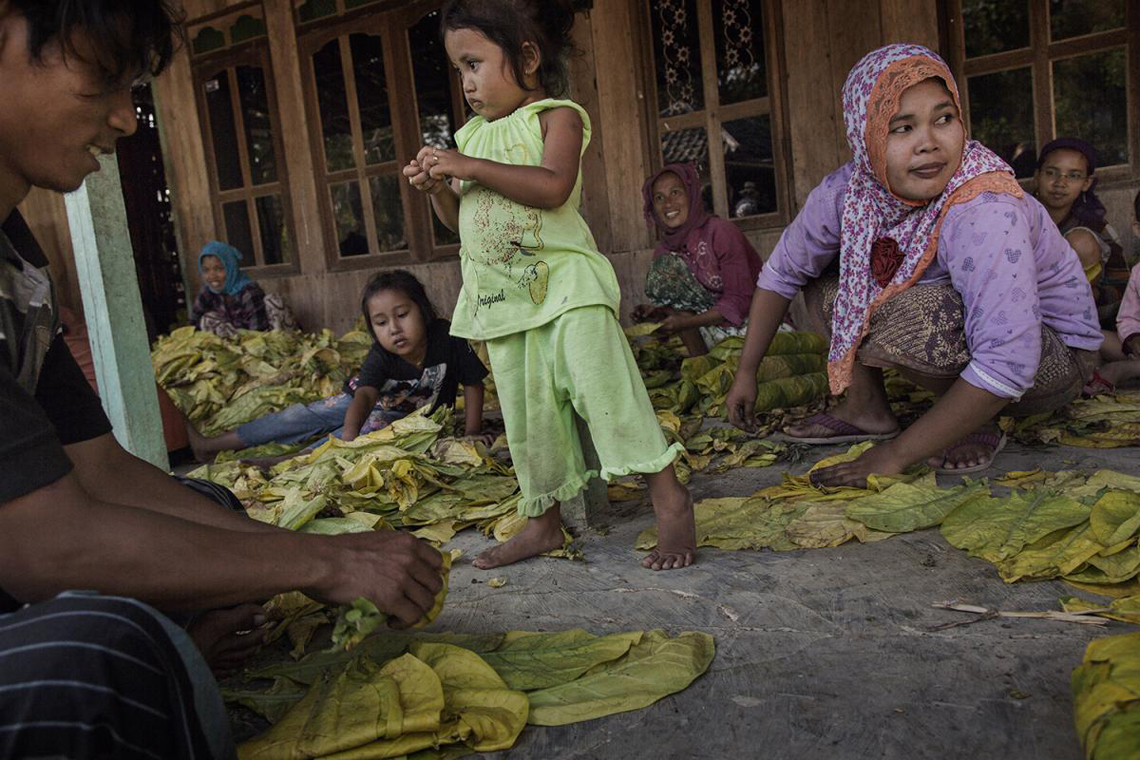
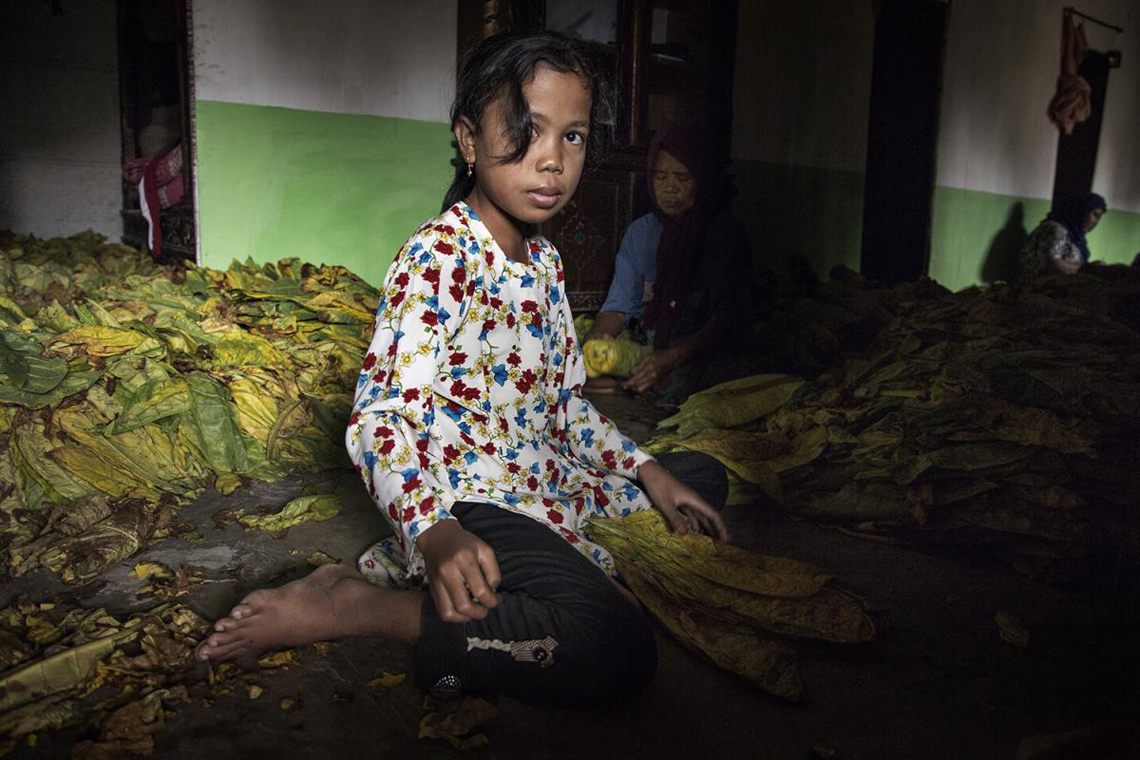
This is just one of the 227 stories collected in Indonesia by Human Rights Watch and contained in the report The Harvest is in my Blood. Thousands of children and teenagers, aged 8 to 17, are employed in the supply chain of Indonesian companies and multinationals. Half the interviewed children report nausea, vomit, headache, and dizziness, which are symptoms of nicotine poisoning.
“Tobacco companies are making money off the backs and the health of Indonesian child workers,” said Margaret Wurth, co-author of the report. Children are forced to handle toxic chemicals, use sharp tools, lift heavy loads, and endure extreme heat. Nicotine’s long-term effects haven’t been studied yet, but available researches show that the exposure to nicotine before the age of 18 can compromise brain development. Plus, pesticides and fertilizers are linked to respiratory and reproductive disorders, cancer, depression, and neurological deficits.
“Once I was vomiting. It was when it was planting time, and I didn’t use the mask, and the smell was so strong, I started throwing up,” said a 15-year-old worker in East Java. Indonesia is the world’s fifth producer of tobacco, after China, Brazil, India, and United States. Tobacco is mainly produced in the provinces of Central Java, East Java, and West Nusa Tenggara. The largest tobacco product manufacturers include three Indonesian companies and two others owned by British American Tobacco and Philip Morris International. Other Indonesian and multinational companies also purchase tobacco grown in Indonesia. According to international law, minors shouldn’t do harmful works, but the International Labour Organization (ILO) estimates that more than 1.5 million children, ages 10 to 17, work in agriculture in Indonesia.
The children of Hispanic migrants, aged 11 to 12, work on tobacco fields in the United States. They live where tobacco is grown and primarily support their families during summer. Human Rights Watch has denounced child labour in the US in a report released in 2014.
Institutions’ hyprocrisy is unrestrained. “While US law prohibits the sale of tobacco products to children, children can legally work on tobacco farms in the US,” writes HRW.
Jakarta bans selling tobacco to minors, but 4 million children aged 10 to 14 become smokers every year, and at least 239,000 children under 10 have started smoking. More than 40 million Indonesian children under 15 are exposed to second-hand smoke. While local companies and multinationals deny any responsibility, governments are not taking action. According to HRW, along with international law and state and regional regulations, new educational campaigns are needed for raising people’s awareness on the risks their own children go through. Indonesian farmers are not aware of the consequences of nicotine and chemicals in minors and are not properly trained for security measures. As it happens in many poor areas, they ask their children to go out of school to help support the family.
In the United States, Hispanic migrants work unsafely, pushed by their economic needs. In North Carolina, Kentucky, Tennessee, and Virginia, which are the main producers of tobacco, children are paid unfairly, work strenuously under the sun and are provided with makeshift equipment.
Siamo anche su WhatsApp. Segui il canale ufficiale LifeGate per restare aggiornata, aggiornato sulle ultime notizie e sulle nostre attività.

Quest'opera è distribuita con Licenza Creative Commons Attribuzione - Non commerciale - Non opere derivate 4.0 Internazionale.
Last February, Malaysia imposed a total ban on electronic waste imports. Yet toxic e-waste continues to arrive from the United States and other countries through illegal trafficking networks.
The measure is part of the new EU Ecodesign Regulation, which came into force on 19 July and requires greater transparency and better inventory management from companies.
Deforestation in Indonesia. To begin with, it would be useful if you could give us some figures on deforestation in your country. What effects has the government’s moratorium of 2011 had on deforestation, and what effects is it currently having? The moratorium hasn’t had significant effects since it was introduced in 2011. The deforestation rate
Ecuador’s shrimp exports continue to grow, but the country’s mangrove ecosystems are paying the highest price.
Copenhagen ranks first in the 2026 Global Liveability Index, followed by Vienna and Melbourne. Among the cities recording the greatest improvement in quality of life is New York.
Record temperatures and border checks: how climate and migration policies are reshaping sport.
Since the ceasefire began in mid-April, the Israeli military has killed at least 331 people in Lebanon. It is now intensifying both its air and ground attacks.
The Iom has released its latest report on migration routes. Since 2014, 82,000 people have died, and while numbers are declining in Europe, the toll is worsening elsewhere.
Israeli bombings in Lebanon have already caused over 900 deaths and one million displaced people, with growing concerns of genocide.


