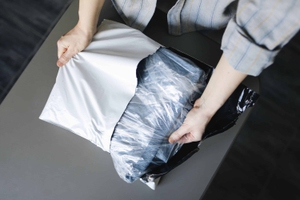
The measure is part of the new EU Ecodesign Regulation, which came into force on 19 July and requires greater transparency and better inventory management from companies.
Major fashion companies will no longer be allowed to destroy unsold or returned clothing, footwear and accessories. The change stems from Regulation (EU) 2024/1781, known as the Ecodesign for Sustainable Products Regulation (Espr), which has established the European Union’s new framework for ecodesign since 2024. Its stated objective is “to set ecodesign requirements that consumer products placed on the market—including textiles, furniture, electronics and chemicals—must meet.”
From 19 July 2026, the ban on destroying unsold clothing became one of the first provisions of the regulation to enter into force. The regulation adopts a broad definition of “destruction.” It includes intentionally discarding or damaging products so that they become waste. Even recycling is considered a form of destruction because it involves shredding or dismantling products. In practice, the regulation encourages companies to prioritise the top levels of the waste hierarchy—reuse, resale, repair and donation—before resorting to recycling or disposal.
In addition to the ban, the regulation introduces new transparency requirements. Under Article 24, large companies must annually report the quantity and weight of unsold products they dispose of. Some exceptions remain, including products that are hazardous, non-compliant with regulations, infringe intellectual property rights, are unsuitable for reuse, or are damaged, deteriorated or defective.
For now, the measure applies only to large companies. From 2030, it will also apply to medium-sized enterprises, while small and micro-enterprises remain exempt. The figures behind the legislation explain its urgency. Across Europe, an estimated up to 9 per cent of all textiles placed on the market are destroyed, amounting to as much as 594,000 tonnes of textiles every year. According to the European Environment Agency, this represents around 5.6 million tonnes of CO₂ emissions.
The average return rate for clothing purchased online in Europe is estimated at 20 per cent—meaning one in every five garments sold online is returned. Of those returned items, around one in three is ultimately destroyed. The situation is similar for unsold inventory. Research suggests that, on average, 21 per cent of clothing produced remains unsold, and roughly one-fifth of that unsold stock is eventually destroyed.
The new rules require companies to find alternative destinations for products they cannot sell. Priority must be given to keeping products in use, either by selling them or preparing them for reuse. The regulation also encourages businesses to improve inventory management, optimise the handling of returned goods and consider alternatives such as resale, refurbishment, donation and reuse.
Possible solutions include expanding resale platforms, improving demand forecasting to reduce overproduction, repairing defective garments and reselling them as refurbished items, transforming unsold clothing into new products, repurposing textiles for other sectors such as padding, geotextiles or soundproofing materials, donating products to charities, recovering fibres for new yarns, or offering garments through rental services instead of selling them outright.
Last February, Malaysia imposed a total ban on electronic waste imports. Yet toxic e-waste continues to arrive from the United States and other countries through illegal trafficking networks.
Copenhagen ranks first in the 2026 Global Liveability Index, followed by Vienna and Melbourne. Among the cities recording the greatest improvement in quality of life is New York.
Since the ceasefire began in mid-April, the Israeli military has killed at least 331 people in Lebanon. It is now intensifying both its air and ground attacks.
The Iom has released its latest report on migration routes. Since 2014, 82,000 people have died, and while numbers are declining in Europe, the toll is worsening elsewhere.